Meetings don't arrive one at a time. They stack. Slack pings. Calendar alerts. Then someone drops "quick sync" on top of a board update.
Your body reacts before your brain finishes the agenda. Chest tight. Voice thin. Thoughts loud. It's not weakness. It's a stress response.
Here's the good news: breathing exercises before important meetings don't need candles, a playlist, or a 20-minute meditation you'll never do. You need a short reset that changes your state fast.
That's the same idea behind Pausa, a guided breathing app built after real panic attacks, when "just relax" wasn't an option. The product choice was simple: keep it practical, keep it short, keep it science-backed.
This post gives you exact steps you can use right before a high-stakes meeting, plus a clean way to make the habit stick.
Why your breath is the fastest way to change your state before a meeting
 An executive taking a brief breathing reset before a meeting, created with AI.
Stress shows up in the body first. That's why logic doesn't fix it. You can know the numbers and still feel your throat lock.
Under pressure, breathing often gets shallow and quick. That pattern tells your nervous system, "We're in danger." So you talk faster. You interrupt. You miss details. You "win" the meeting and lose the relationship.
Breath is different. It's one of the few switches you can flip on purpose. A slower exhale can nudge your system out of fight-or-flight and back into control. Not perfect calm. Control.
Over time, these micro-resets add up. Less baseline anxiety. More clarity. Better sleep. A steadier presence in the room. The kind that makes people trust you, even when the topic is tense.
If you want a broader menu of options, this roundup of breathing techniques for stress relief is a solid reference. Still, for meeting pressure, you don't need ten methods. You need three that you'll actually use.
The 60-second self-check: spot stress signals before they hijack the room
Scan for signals, not stories.
- Jaw clenching or shoulder lift
- Rushed speech in your head
- Tight chest or "can't get a full breath"
- Urge to interrupt or defend
- Mind racing through worst-case outcomes
If you notice two or more, do one breathing round before you open the door or join the call. Treat it like washing your hands. Basic hygiene.
Micro-pauses beat long routines when your calendar is packed
Long routines fail for one reason: friction. They ask you to become a different person.
Micro-pauses fit reality. One minute in the hallway. Two minutes while Zoom connects. Five minutes after a difficult email. Repetition beats intensity. That's the whole point.
Three breathing exercises to do right before an important meeting (with exact steps)
Use this quick table to pick the right tool for the moment.
| Technique | Time | Best for |
|---|---|---|
| Physiological sigh | 30 to 60 seconds | Sudden nerves, shaky voice, tight chest |
| Box breathing | 2 to 5 minutes | Steady focus, calm presence, fewer reactive comments |
| 4-7-8 breathing | About 2 minutes | Overthinking, wired energy, post-conflict rumination |
A simple safety rule: if you feel dizzy, stop and breathe normally. No hero points.
If you want a focused walk-through aimed at meeting anxiety, this Pausa post on a 2-minute pre-meeting breathing routine matches the exact use case leaders describe: "I'm prepared, but my body disagrees."
Physiological sigh for last-minute nerves (30 to 60 seconds)
This one is brutally effective because it's fast. Research from Stanford (2023) found cyclic sighing can reduce anxiety and improve mood, even compared with longer mindfulness practice. No big 2026 update changed the takeaway: long exhales matter.
How to do it (script):
- Inhale through your nose. Medium breath.
- Take a second, quick inhale through the nose, just to top off the lungs.
- Exhale slowly through your mouth, long and unforced.
- Repeat for 1 to 3 rounds.
Common mistakes: gasping on the second inhale, or blasting the exhale out. Keep it smooth.
Best use cases: right before you walk into a boardroom, hit "Join," or get handed a hostile question.
Leadership cue: after the last exhale, soften your face. Drop your shoulders. Then speak. Your nervous system will follow your posture.
If the meeting is seconds away, don't "prepare harder." Regulate first. Then perform.
Box breathing for steady focus (2 to 5 minutes)
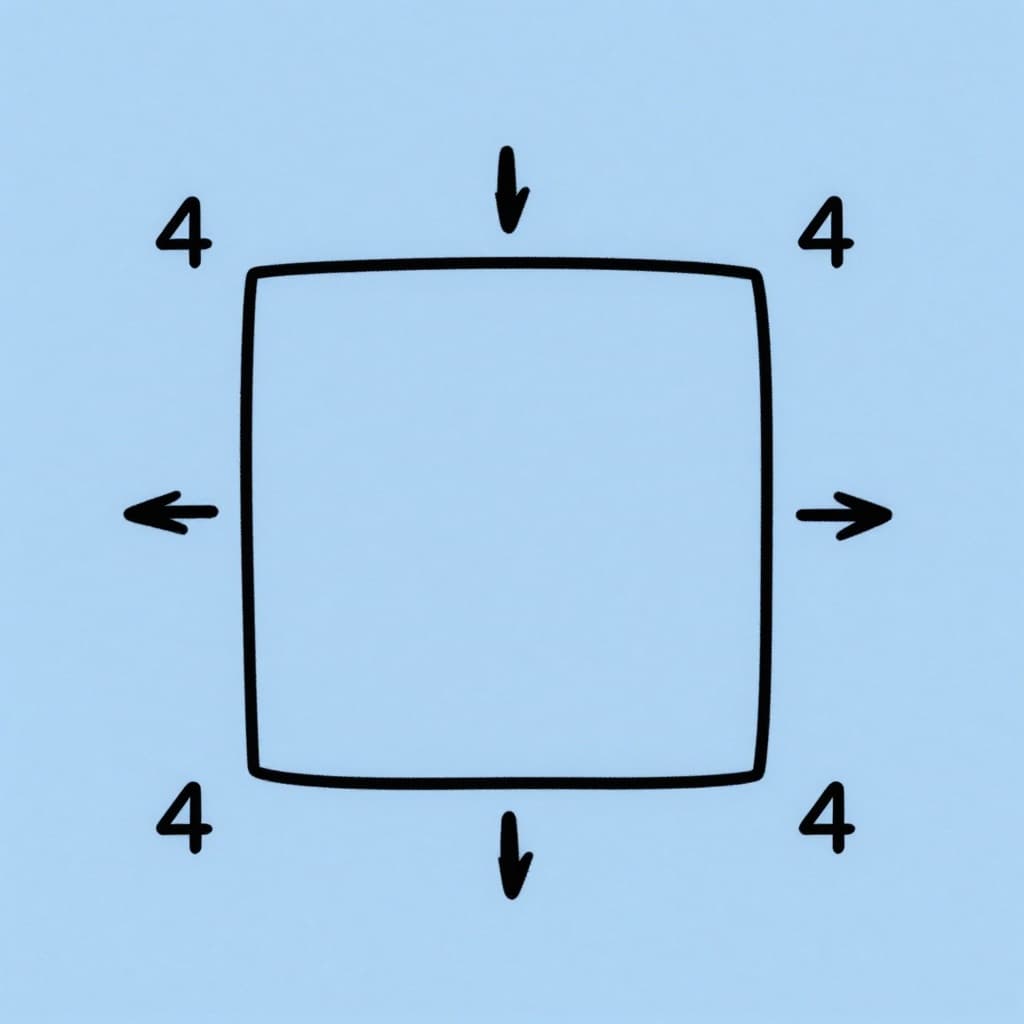 The box breathing pattern shown as a simple cycle, created with AI.
Box breathing is a metronome for your attention. It gives your mind a job, so it stops spinning. It's also widely used in performance settings because it's predictable.
How to do it (4-4-4-4):
- Inhale through your nose for 4.
- Hold for 4 (stay relaxed).
- Exhale through your nose or mouth for 4.
- Hold for 4.
- Repeat for 4 to 5 cycles.
Time options:
- 2 minutes: 4 cycles at a comfortable pace.
- 5 minutes: slow it down, keep counts clean.
Common mistakes: rushing the count, tensing during the holds, or forcing the inhale bigger than it needs to be.
Leader tip: pair the exhale with one thought, not a speech: "Slow is smooth." Your tone changes when your breath does.
If your bigger issue is speaking up under pressure, this piece on a 30-second reset for meetings is a useful companion. Breath and delivery are linked. Your audience hears it.
4-7-8 breathing when you feel wired and overthinking (about 2 minutes)
This is the "I can't shut it off" pattern. It can feel strong at first, mainly because the exhale is long. Start gently.
How to do it:
- Inhale through your nose for 4.
- Hold for 7 (no strain).
- Exhale through your mouth for 8, slow and steady.
- Do 4 rounds.
Best use cases: pre-presentation jitters, after a conflict, or when your mind keeps replaying the last meeting like it's a court case.
Common mistakes: holding your breath with a clenched throat, or pushing the exhale so hard you feel lightheaded. Ease is the point.
If you only adopt one rule: treat the exhale as the brake pedal.
Make it part of your meeting prep, without adding another task to your day
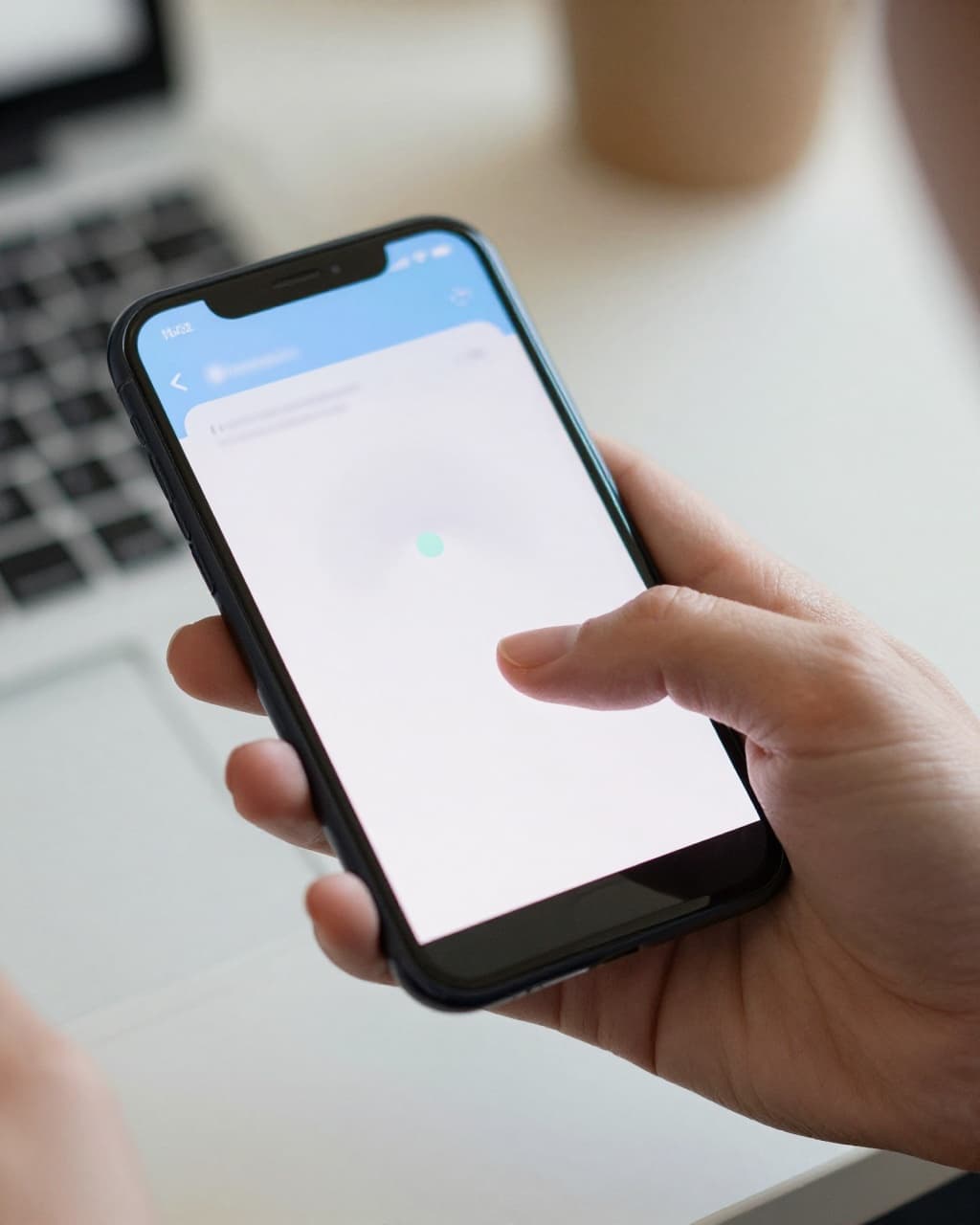 Using a guided breathing tool between meetings, created with AI.
"Build a habit" is lazy advice. You don't need motivation. You need a trigger that already happens.
Pick one moment that's already in your day:
- waiting for a Zoom room to populate
- walking from your desk to the conference room
- right after you send a hard email
- right before you answer a pointed question
Then tie one breathing tool to that moment. Same trigger, same move. That's how routines survive.
If you want guidance without thinking, use Pausa's guided breathing app as the simplest version of "open, breathe, continue." It was designed for people who don't want another complicated wellness project. Just a pause that works.
For leaders who like systems, you can also borrow language from this Pausa Business post on practical stress management under pressure. The same principle applies: notice early signals, reset fast, then make the next decision clean.
A simple 3-step pre-meeting ritual you can repeat anywhere
Keep it blunt. Keep it repeatable.
- Name the moment: "I'm stressed," or "I'm rushing."
- Pick one technique: sigh, box, or 4-7-8.
- Set one intention: calm, curious, direct, patient.
That's it. No journaling. No performance. Just a reset and a choice.
If you lead a team, normalize the pause so others can breathe too
 A team taking a brief reset together before discussion, created with AI.
Culture copies leaders. If you treat stress as a badge, your team will hide it until it breaks them.
Try small moves:
- Start a tough meeting with 20 seconds of quiet. No speech.
- Invite one physiological sigh before a hard topic. Optional, not forced.
- Model it yourself when things get sharp, then continue.
The payoff is boring, which is good. Less reactivity. Better listening. Fewer meetings that turn into status theater.
How to bring guided breathing to your whole organization with Pausa Business
Most wellness tools fail because they require buy-in, training, and free time. In other words, fantasy.
Breathing works at work because it's low-friction. People already breathe. They just do it poorly when pressure hits.
Pausa Business is built around that reality. Short guided sessions that help from day one. No onboarding parade. Colleagues download the app on iOS or Android, then use it in the moments stress actually shows up.
For adoption, the details matter:
- Mood tracking that learns patterns and recommends a session for stress, focus, energy, or calm
- A 10-day journey that takes beginners from zero to competent without making it a hobby
- Streaks that build consistency without guilt
- Anonymized data, so people don't feel watched
- Central management through the admin panel for licenses and engagement reporting
Pausa started with panic attacks, not a branding exercise. That origin shows up in the product choices: simple, direct, and built for the moment you need help, not the moment you have extra time.
What to look for in a workplace breathing program (so it actually gets used)
Use plain criteria. If it fails any of these, it won't stick.
- Zero training: people should start in minutes.
- Fast sessions: 1 to 5 minutes, not 30.
- Privacy: anonymized reporting, no individual exposure.
- Phone-first: because that's what people have between meetings.
- Flexible pricing: so you can start small and scale.
- In-the-moment help: before the meeting, not "after work."
Choose tools that reduce friction, not tools that demand discipline.
Conclusion
You don't need a new personality before your next big meeting. You need a reset.
Use the physiological sigh when nerves spike fast. Use box breathing when you want steady focus and fewer reactive comments. Use 4-7-8 when your mind won't stop running.
Then make it repeatable. One trigger. One technique. Small pauses, done often.
Pick one breathing exercise before your next meeting today. If you want guided support, Pausa can walk you through it, and Pausa Business can put the same habit in every pocket across your organization.

