You lie in bed, clock ticking past midnight. Your mind races through tomorrow's meetings and unfinished tasks. Stress keeps your body alert, even when exhaustion hits. Falling asleep fast becomes a nightly battle for many young professionals.
Anxiety fuels this cycle. It tightens your chest and speeds your thoughts. Simple tools like breathing can break the pattern. They signal safety to your nervous system, easing you into rest. In the next sections, you'll find practical steps to quiet your body and mind.
Spot the Barriers to Quick Sleep Onset
Stress builds during the day. Notifications ping. Deadlines loom. By bedtime, your system stays revved. Cortisol lingers, blocking deep relaxation.
Anxiety adds fuel. Worries replay like a loop. Your heart races. Shallow breaths keep you wired. Recognize these signs early. A tight jaw or restless legs often signal the issue.
Daily habits matter too. Screens flood your brain with light, mimicking daytime. Caffeine hangs around for hours. Poor routines train your body to stay awake in bed.
Fix this first. Track your evenings for a week. Note what spikes tension. Small changes yield big results. For example, dim lights after dinner help melatonin rise.
Optimize Your Sleep Environment for Faster Drift-Off
Your bedroom sets the stage. Clutter distracts. Bright colors energize. Create a calm space instead.
Keep it cool, around 65 degrees Fahrenheit. Darkness blocks streetlights with blackout curtains. A white noise machine drowns traffic hums.
Invest in comfort. Supportive pillows align your spine. Breathable sheets wick away heat. Remove work reminders like laptops.
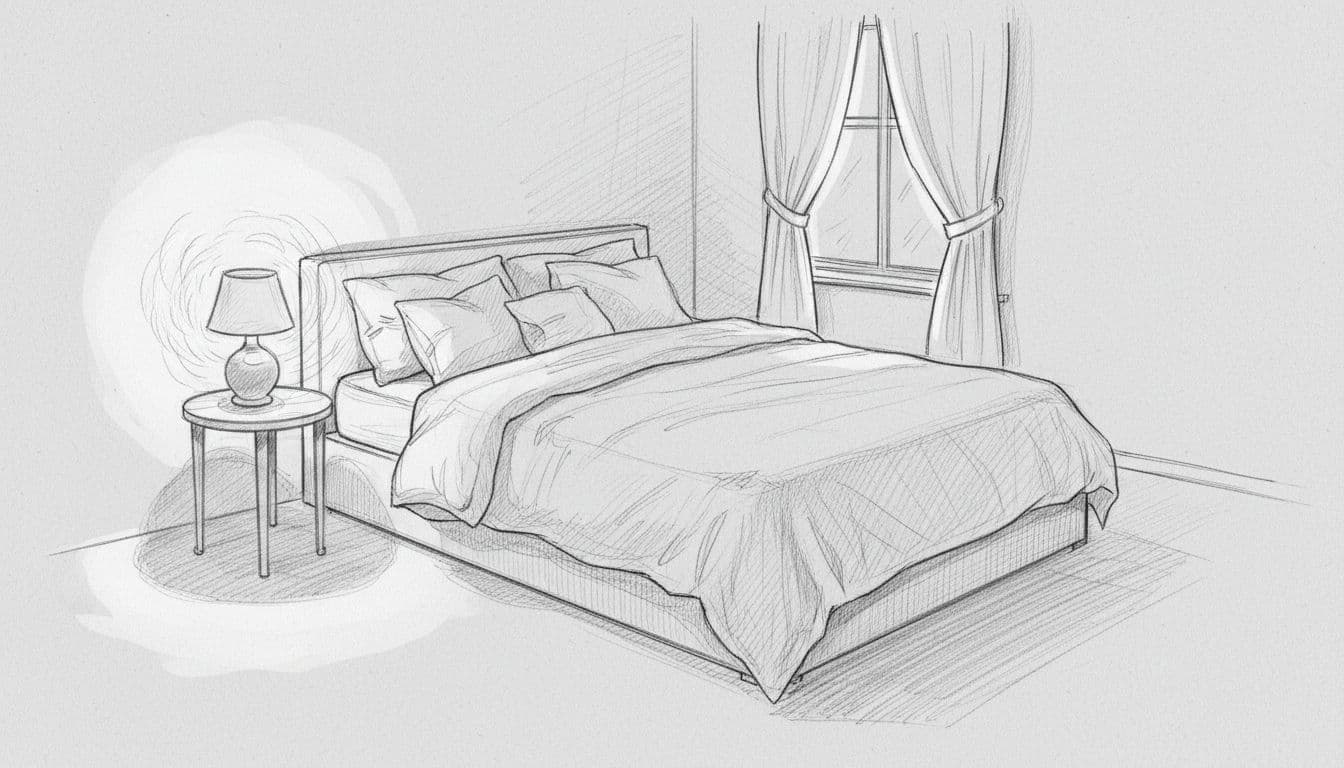
This setup primes relaxation. Your body associates the room with rest alone. As a result, you slip into sleep quicker. Test adjustments tonight. Notice how they reduce toss-and-turn time.
Breathing Exercises to Fall Asleep Fast
Breathing shifts your state fast. It lowers heart rate and calms nerves. Start with the 4-7-8 method. Inhale for four counts through your nose. Hold for seven. Exhale slowly for eight. Repeat four times.
This pattern extends exhales. They activate your rest response. Tension melts away. Studies back it; breathing techniques for anxiety and sleep show quick calm.
Try box breathing next. Inhale four, hold four, exhale four, hold four. It steadies racing thoughts. Do it lying down, eyes closed.
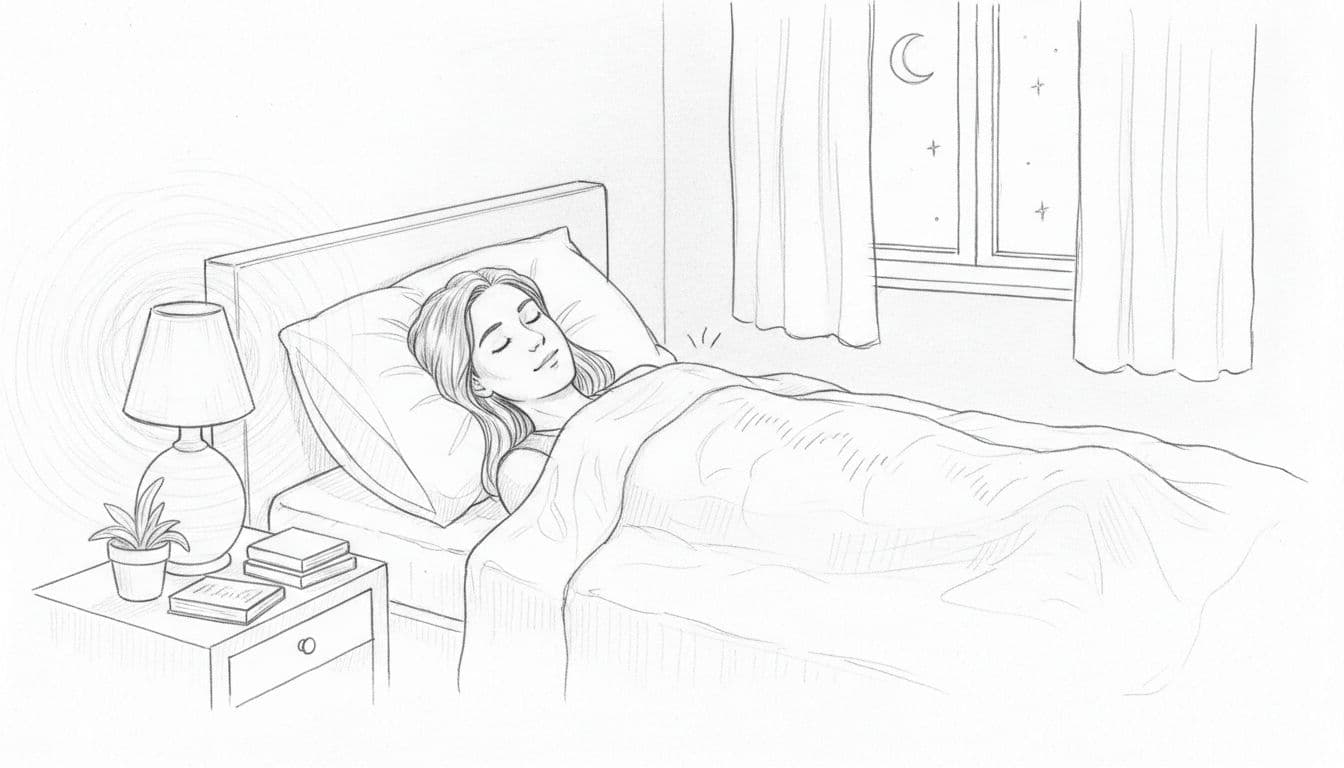
Apps guide you perfectly. Pausa offers science-backed sessions. Pick your mood, like anxious or wired. It suggests resonant breathing or box patterns. A mood tracker learns your needs. The 10-day journey builds habits without effort.
Plus, it cuts screen time. Breathe to unlock social apps after limits. This fosters peace before bed. Download the Pausa App for instant access on iOS or Android. Users report less anxiety and better sleep.
For more options, check breathing exercises to beat anxiety.
Mindfulness Techniques for Quicker Sleep
Mindfulness quiets mental chatter. It trains focus on now, not worries. Sit on your bed's edge. Notice your breath's rhythm. Thoughts drift in; let them pass like clouds.
Body scan works well. Start at toes. Tense, then release each muscle group. Move up slowly. This releases stored stress.
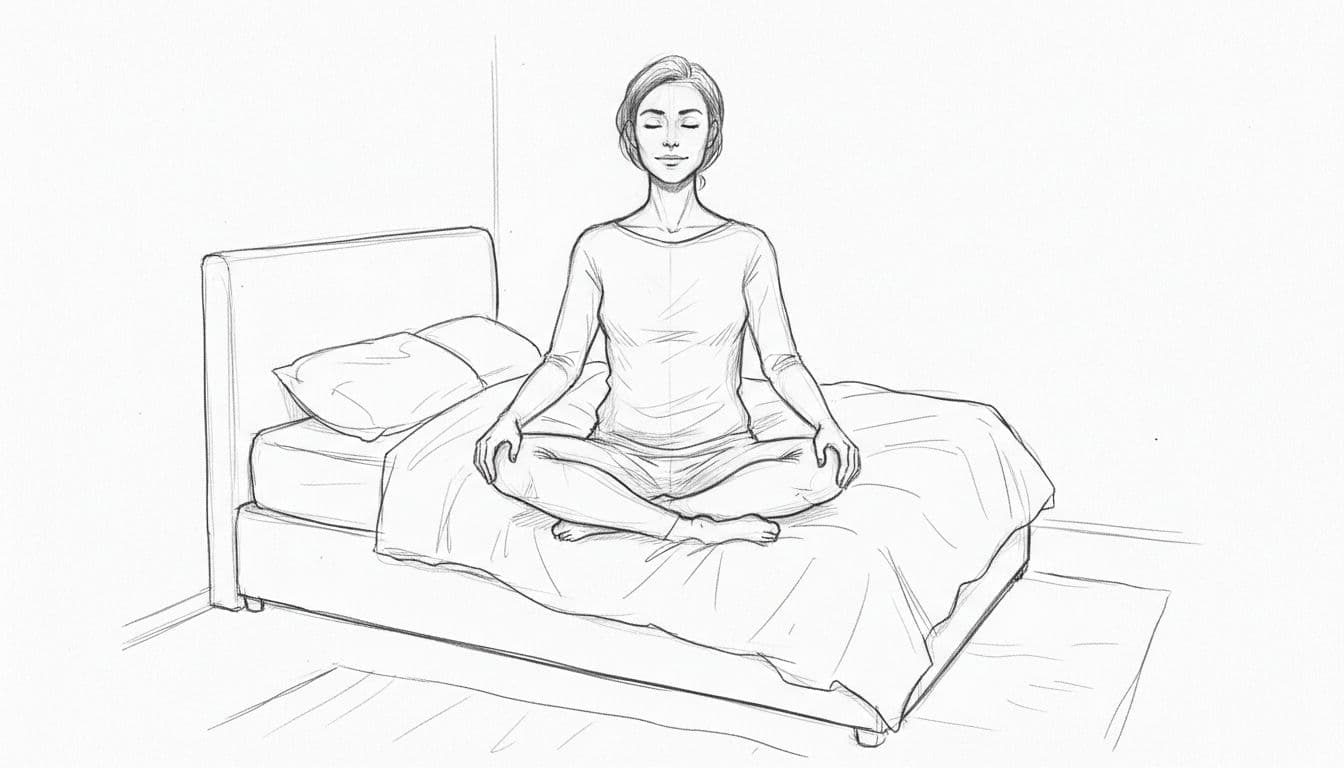
Visualization aids too. Picture a calm beach. Feel waves' rhythm match your breath. Stay five minutes. Research supports it; relaxation exercises to help fall asleep confirm reduced insomnia.
Combine with Pausa's guided audio. No meditation experience needed. It fits busy lives, offering companionship against lonely nights.
Craft a Wind-Down Routine That Sticks
Routines signal bedtime. Start an hour early. Avoid screens; blue light blocks sleep hormones.
Journal three gratitudes. It shifts focus from stress. Sip herbal tea like chamomile. Read fiction, not work emails.
Add movement. Gentle stretches ease tension. Then breathe. Consistency trains your brain.
Work stress spills into sleep. For teams, tools help. Check out Pausa for People reduces collective anxiety. Leaders see better focus and wellness.
Link routines to triggers. Brush teeth, then 4-7-8 breaths. Over weeks, you fall asleep fast naturally.
Explore office stress relief that fits your day for daytime habits that protect nights.
Quick Wins to Reduce Anxiety and Claim Rest
Breathing and mindfulness deliver calm. They cut anxiety at its root. Your body learns to relax on cue.
Pausa amplifies this. Download it to reduce stress daily. Feel peace return.
Commit tonight. Pick one technique. Track improvements. Better sleep awaits. What change will you make first?

