Your phone buzzes at midnight. Emails from work linger in your mind. Screens glow too long into the night. These moments trap young professionals in a cycle of tossing and turning.
Recent 2026 data shows insomnia hits 10 to 17 percent of adults chronically. Up to two-thirds face occasional symptoms. It ties directly to anxiety and poor focus the next day. Pills offer quick fixes, but they fade fast.
Simple habits beat them. Breathwork calms racing thoughts. Rules like the 20-minute wait build sleep pressure. Apps guide you without adding screen time. You can start tonight for real rest.
Use Breathwork to Calm Your Mind and Drift Off Fast
Breathwork flips your body from alert to rest. It lowers heart rate and quiets the mind. New studies back this shift for bedtime.
Slow breaths signal safety to your nervous system. Longer exhales cut stress hormones. As a result, you drift off easier. Pausa app users notice less anxiety at night. One said it changed their day vibes by pausing after tough meetings.
Pausa fits here. Its mood tracker checks how you feel. Then it suggests breaths like box or resonant styles. Guided audio leads you. No meditation skills needed. Everyone breathes, so it works fast.
Download the Pausa App for these tools. It offers companionship against stress or burnout.
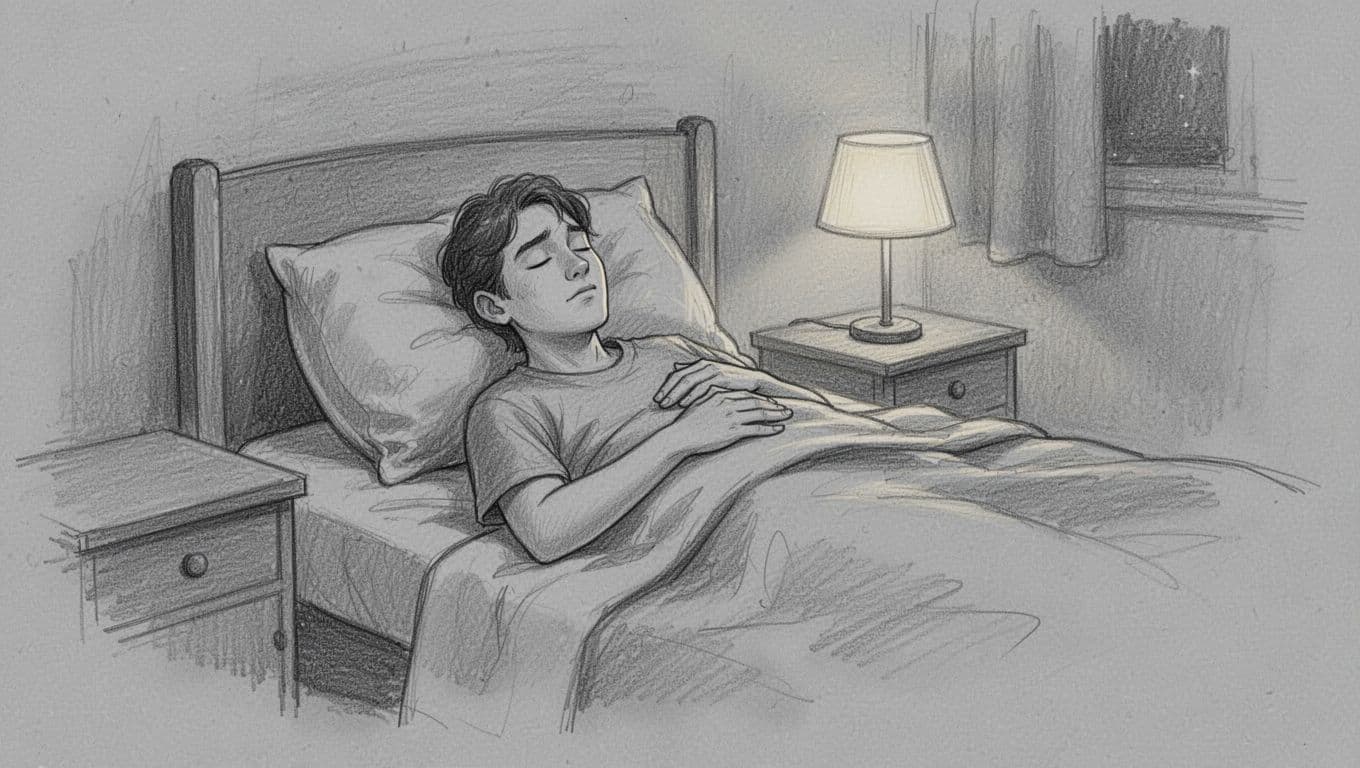
Try the 4-7-8 Method Right Before Bed
This technique activates calm fast. Inhale through your nose for 4 seconds. Hold for 7 seconds. Exhale through your mouth for 8 seconds. Repeat four times.
Do it in dim light. Your parasympathetic system kicks in. Pausa guides it with audio cues. Pair with streaks in the app. They build the habit over days.
Most feel relaxed after two rounds. Thoughts slow. Body sinks into the mattress.
Breathe Deeply to Release Daytime Tension
Make exhales twice as long as inhales. For example, inhale 4 seconds, exhale 8. This fights racing mind loops.
It releases held tension from work stress. Pausa's 10-day journey teaches this for beginners. No choices needed. Just follow daily lessons.
Users report better sleep after consistent use. Tension fades. Calm arrives.
Follow the 20-Minute Rule to Train Your Brain for Sleep
CBT-I leads insomnia fixes in 2026 research. The 20-minute rule sits at its core. Lie in bed 20 minutes. Not asleep? Get up.
Do a boring task in low light. Read paper pages. Fold laundry. Return when sleepy. This builds sleep drive.
Bed links only to rest now. No phones or worry. Set wake times steady, even weekends. Morning light helps reset your clock.
Next, add progressive relaxation. Tense toes for 5 seconds. Release. Move up legs, arms, face. Soldiers use this for quick sleep.
Set Up Your Bedroom Like a Sleep Cave
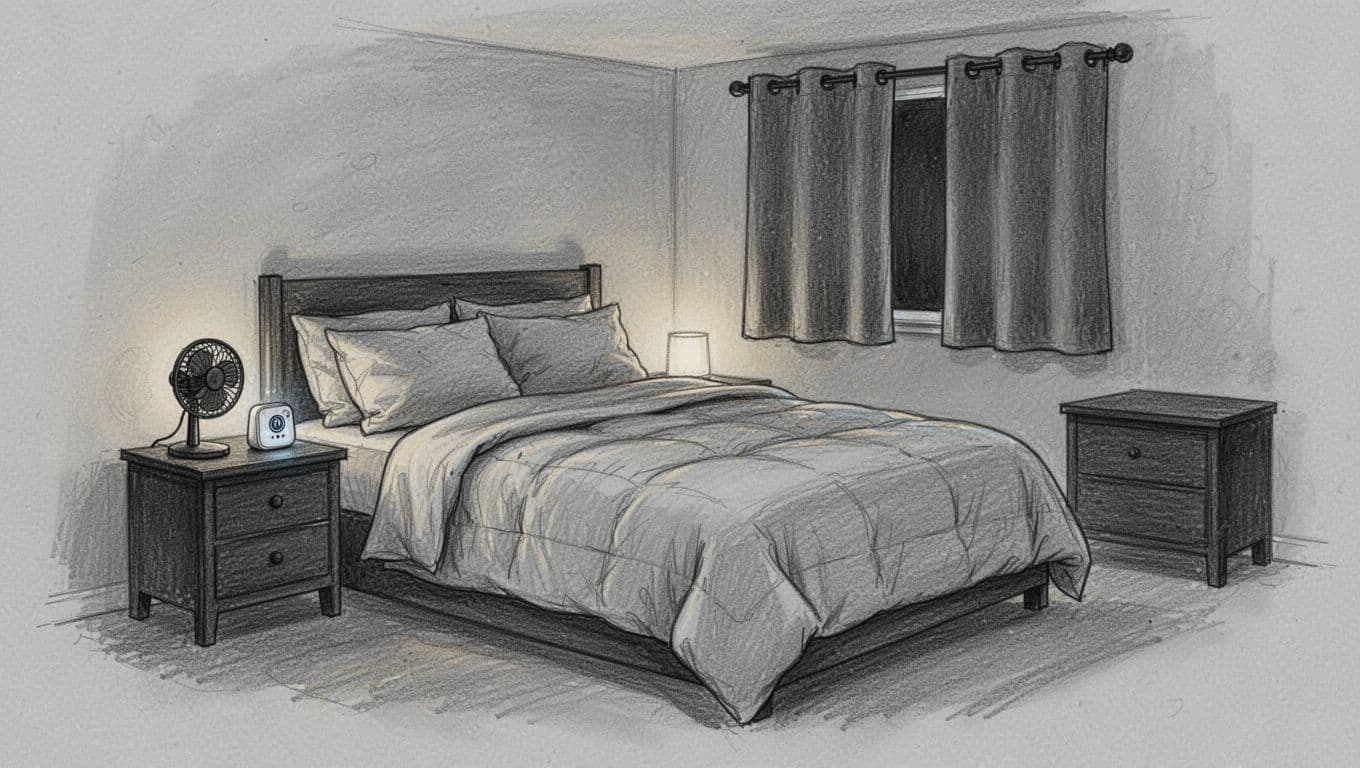
Cool it to 65 degrees Fahrenheit. Blackout curtains block light. A fan circulates air. White noise masks sounds.
Skip caffeine after noon. No alcohol near bed. Set a bedtime alarm. Wind down 10 minutes with calm reads.
Weighted blankets add security for some. These tweaks make sleep stick.
Leverage 2026 Tech and Apps Without the Screen Trap
Wearables track sleep stages now. AI spots patterns. But they warn of limits. Data helps, yet habits drive change.
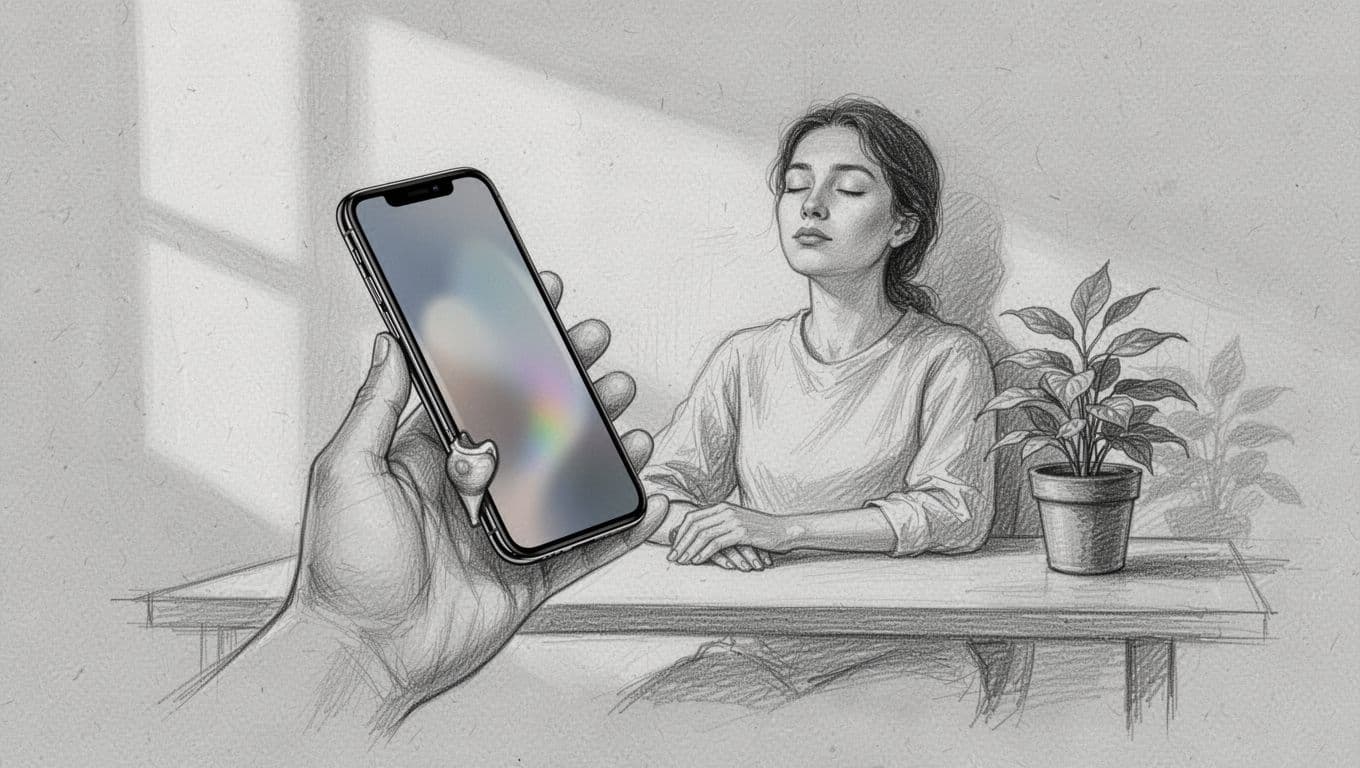
Apps log mood for daytime tweaks. This cuts anxiety that feeds insomnia. Pausa stands out. Its screen lock blocks social apps after limits. Breathe to unlock.
This curbs doom-scrolling. It turns phone time into self-care. Low-blue-light modes ease eyes. For work stress, Check out Pausa for People. Teams build shared streaks.
Telemedicine delivers CBT-I sessions. Quick access beats waiting lists.
See breathing exercises against anxiety for more office tips.
Track Your Progress with Smart Tools
Log mood four times daily. Apps like Pausa personalize breaths for energy or calm. This aids sleep indirectly.
Fatigue drops. Focus rises. Streaks motivate without pressure. Review weekly. Adjust as needed.
Small Pauses Lead to Deep Rest
Breathwork like 4-7-8 calms fast. The 20-minute rule trains sleep cues. Caves invite rest. Tech supports without traps.
Start with Pausa for guided help. Magnesium aids some, but habits win long-term. See a pro for CBT-I if nights stay rough.
Download Pausa today. Try 4-7-8 tonight. Those breaths add up. You deserve steady sleep.

