A racing heartbeat. Your chest tightens. Sweat beads on your forehead. Unexpected panic attacks hit without warning. They leave you gasping, filled with a sense of doom. A panic attack strikes busy professionals in crowded subways or high-stakes meetings. Yet these episodes pass. You can learn to spot them early and ease them quickly. Science-backed tools like breathing make a real difference.
High stress fuels many attacks. Overthinking deadlines or burnout from endless notifications adds up. Simple steps help you breathe, relax, and find calm. Keep reading to understand what happens and build habits that protect your mental health.
Key Takeaways
- Panic attacks bring sudden intense fear with physical signs like pounding heart, shortness of breath, and chest pain; they pass in minutes, but early spotting lets you act fast.
- Use immediate tools like box breathing (inhale-hold-exhale-hold for four counts) or grounding (name things you see and touch) to regain control and ease symptoms.
- Common triggers include stress, caffeine, crowds, and overthinking; track patterns and build buffers like short breaks to prevent repeats.
- Daily habits such as mindfulness, exercise, better sleep, and apps like Pausa boost resilience and cut burnout for lasting mental health.
- For recurring attacks signaling panic disorder, consult a health care provider for therapy or medication alongside self-care.
What Exactly Is a Panic Attack?
A panic attack brings sudden, intense fear. Your body reacts as if danger threatens, even when none exists. These bursts last minutes, rarely over 30. They feel endless, though.
Most people face one or two panic attacks in life. Stressful times often spark them. Recurring panic attacks signal panic disorder, a type of anxiety disorder. Panic disorder affects daily routines, sleep, and focus. In panic disorder, these sudden episodes create a profound feeling out of control. Unlike other anxiety disorders, where worry builds gradually, panic disorder centers on repeated, unexpected panic attacks.
Experts note biological processes drive the fear. Your nervous system overreacts. Adrenaline surges. Heart rate spikes. You might fear dying or losing control.
Pausa started from this reality. Founder Andy Nadal built the app after his own panic attack. It offers guided breathing for quick relief. No meditation needed. Just breathe to shift from chaos to calm.
Panic attacks differ from general anxiety. Worry builds slowly with anxiety. Panic explodes fast. Both disrupt life. Yet targeted tools reduce anxiety and help manage panic disorder to prevent repeats.
Common Signs of a Panic Attack
Spotting physical symptoms early changes everything. You act before the wave peaks.
Key physical symptoms of a panic attack include a pounding heart, shortness of breath, and chest pain. People often mistake these physical symptoms for a heart attack. Sweating, chills, or trembling follow. Nausea or dizziness hit next. Some feel detached, like watching themselves.
The Mayo Clinic lists four or more physical symptoms for diagnosis. Jaw tension or tight shoulders signal onset too. In the last two weeks, track how often these occur.
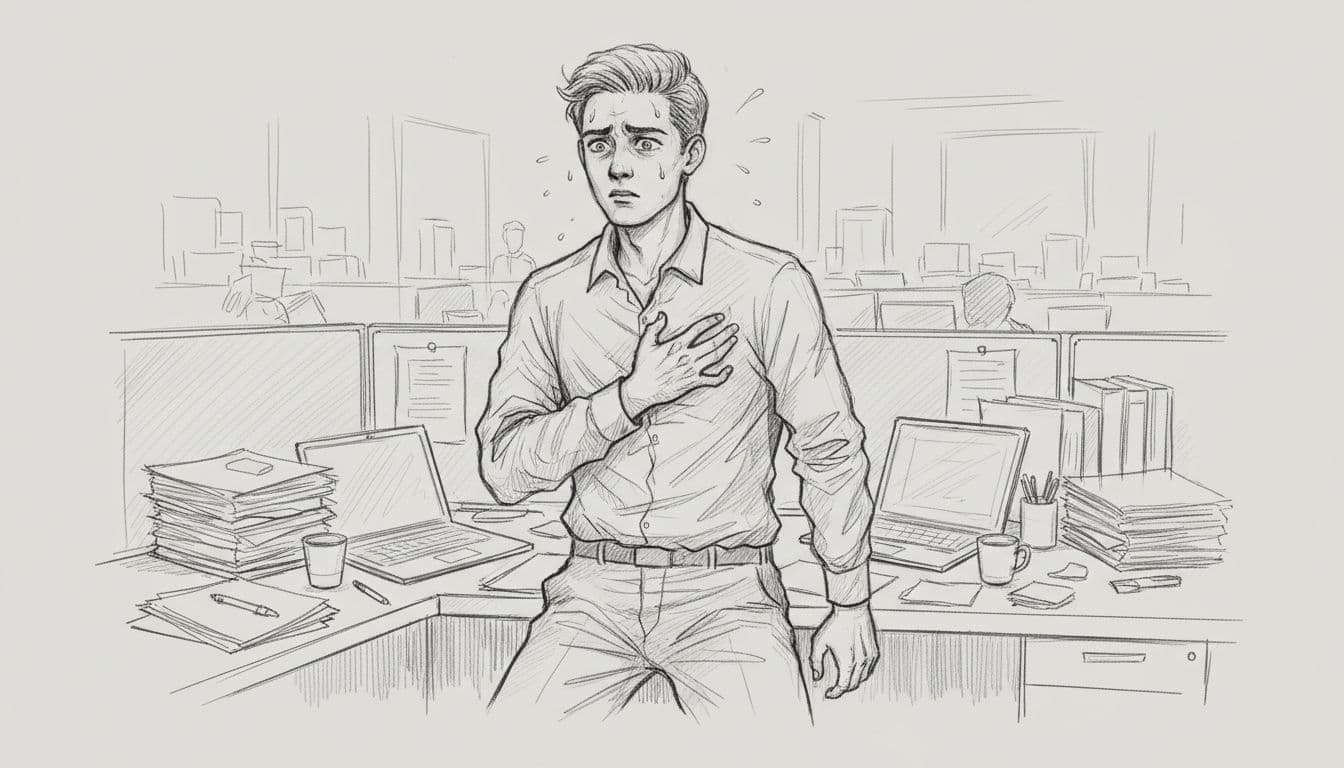
Urban hustle amplifies risks for panic disorder. Notifications pile up. Your mind races with overthinking. Body tenses. These cues warn you to pause.
Fear of another panic attack creates a loop common in panic disorder. Constant worry about physical symptoms drains energy. This fear leads to avoidance behaviors that define panic disorder. Track patterns. Note when tension builds. Early awareness lets you intervene and break the cycle of panic disorder.
Triggers That Spark a Panic Attack
Certain situations set off a panic attack and contribute to panic disorder. Stress heads the list. Major changes like job shifts or moves unsettle many, heightening the risk of panic disorder.
Caffeine or lack of sleep sensitize your system. Crowds, driving, or enclosed spaces trigger some. The Cleveland Clinic explains genetics play a role in panic disorder too. Traumatic life experiences linger, fueling panic disorder.
High screen time worsens mental health. Endless scrolling feeds overthinking and burnout. Dopamine hits keep you hooked, yet stress mounts and harms overall mental health.
For young professionals, deadlines or public speaking ignite fear. Your body misreads stress as threat, sparking a panic attack. Awareness helps prevent panic disorder. Avoid known triggers when possible. Build buffers like short breaks.
Immediate Steps to Stop a Panic Attack
Act fast when symptoms of a panic attack surge. Ground yourself first with relaxation techniques. Name five things you see, four you touch. This pulls you present.
Focus on breathing exercises next. Try box breathing: inhale four counts, hold four, exhale four, hold four. It slows your heart. Or use diaphragmatic breathing exercises. Hand on belly, expand it on inhale.
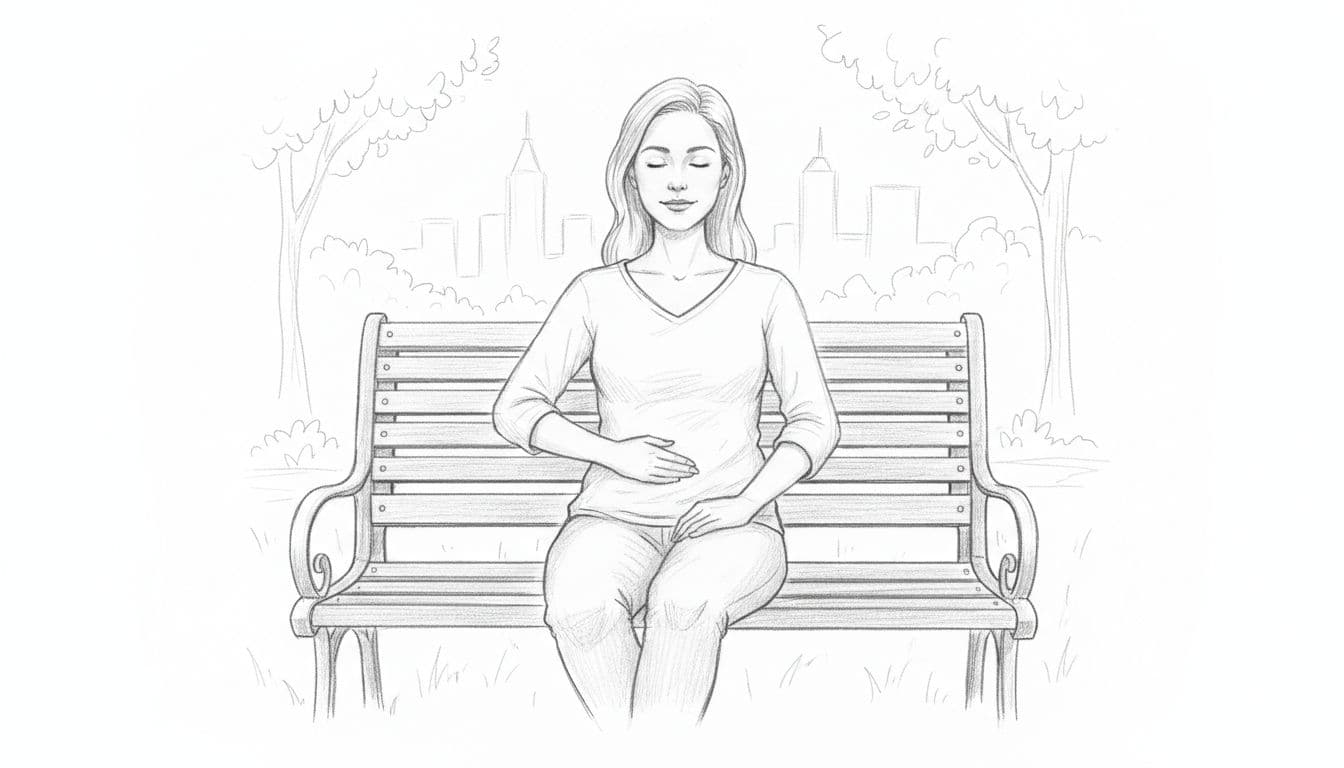
The Cleveland Clinic recommends these relaxation techniques for quick calm during a panic attack. They are essential for managing panic disorder. Repeat until tension eases.
Pausa guides you through breathing exercises. Tell the app your mood. It suggests resonant breathing or box patterns. An SOS mode helps in crises related to panic disorder. Download the Pausa App for on-demand support in panic disorder management. It cuts screen time too. Breathe to unlock social apps, turning checks into self-care.
Seek fresh air if indoors. Cool water on wrists soothes. Remind yourself: this passes. No real danger exists.
Frequently Asked Questions
How long does a panic attack typically last?
Panic attacks usually peak within 10 minutes and rarely exceed 30 minutes, though they feel endless. Your body calms naturally once the adrenaline surge fades. Use breathing techniques to shorten the episode and regain control faster.
What's the difference between a panic attack and a heart attack?
Panic attacks mimic heart attacks with pounding heart, chest pain, and shortness of breath, but no underlying cardiac issue exists. Unlike heart attacks, panic symptoms resolve quickly without lasting damage. Track four or more symptoms and consult a doctor to rule out other causes.
Can you prevent future panic attacks?
Yes, identify triggers like stress, caffeine, or crowds, then build habits such as daily mindfulness, exercise, and limiting screen time. Apps like Pausa offer guided breathing and mood tracking to cut overthinking and burnout. Therapy rewires responses for long-term prevention.
How does the Pausa app help during a panic attack?
Pausa provides guided breathing exercises like box or resonant patterns tailored to your mood, with an SOS mode for crises. Its 10-day journey builds habits without extra decisions, and it locks social apps behind breaths to reduce screen time. Download for quick relief and panic disorder management.
When should you see a doctor for panic attacks?
Seek help if attacks recur, disrupt daily life, or signal panic disorder with avoidance behaviors. A health care provider can rule out other issues via exam and recommend therapy or medication like SSRIs. Early intervention prevents escalation and restores control.
Build Habits to Prevent Future Panic Attacks
Daily practices cut risks. Start a mindfulness routine. Short breathing sessions build resilience.
Pausa's 10-day journey teaches techniques without decisions. Streaks track progress. Mood tracker tailors advice for stress, anxiety, or low energy.
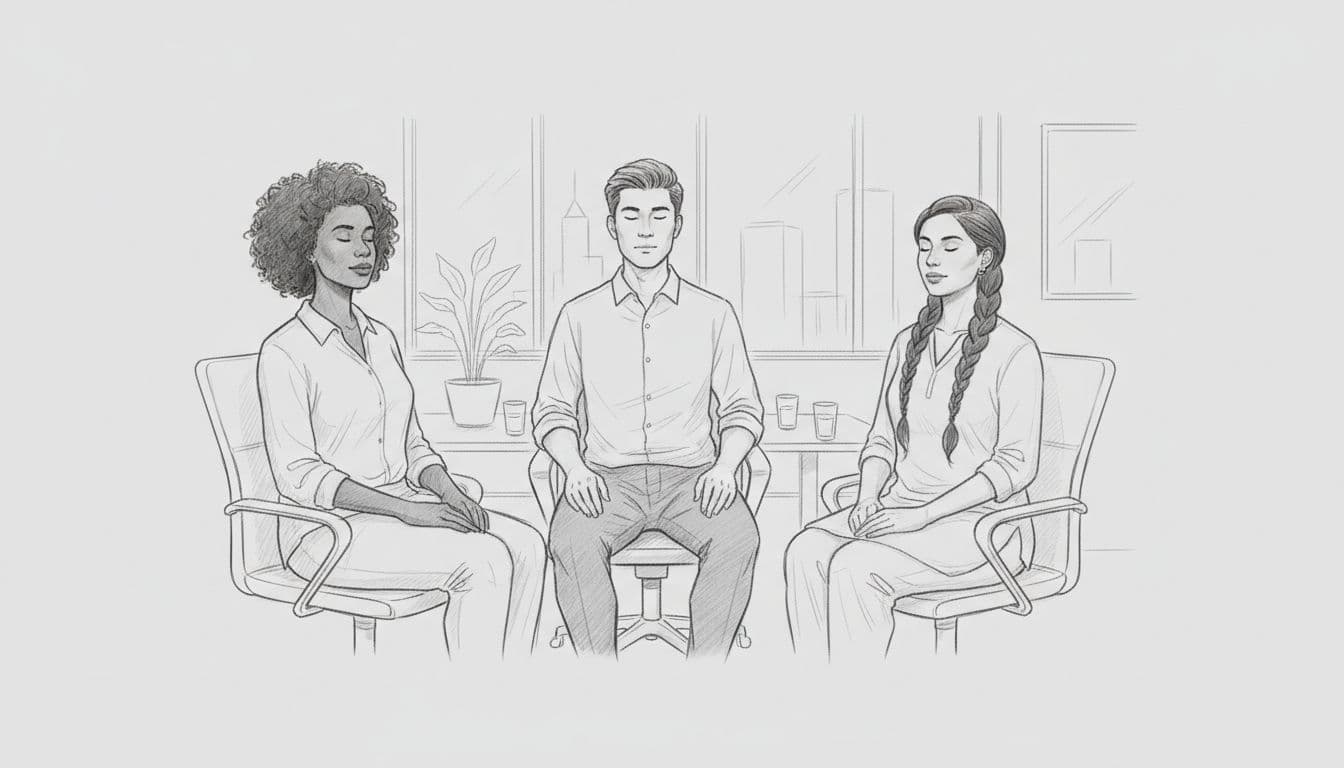
Teams benefit too. Check out Pausa for People at work. For teams, shared sessions foster focus and cut burnout. Leaders see anonymized wellness reports.
Limit caffeine. Exercise regularly. Sleep seven hours nightly. Journal triggers. For lasting mental health improvements, therapy like cognitive behavioral therapy rewires responses.
When building habits to manage a panic attack or panic disorder, consult a health care provider early. They can perform a physical exam and review your medical history to rule out other causes. Treatment often includes psychotherapy and talking therapies to address underlying patterns in an anxiety disorder. A health care provider may also recommend antidepressant medication, such as selective serotonin reuptake inhibitors, though side effects should be discussed upfront.
For recurrent panic attacks or related issues like agoraphobia, psychotherapy paired with antidepressant medication offers targeted relief. Talking therapies help reframe thoughts, while a clinical social worker or health care provider can guide your mental health journey. Joining support groups provides community for long-term management of panic disorder or anxiety disorder.
Consistent pauses lead to better sleep, less overthinking, and steady calm. Small changes yield big shifts.
Panic attacks feel overwhelming, yet they end. Recognize signs like racing heart or tension. Use breathing for instant relief. Apps like Pausa provide companionship through stress and anxiety.
Build habits now. Reduce anxiety. Find peace in breaths. Your next day starts calmer. Consult pros if attacks persist. You hold the tools for control.

