Your heart races out of nowhere. Sweat drips down your back. You gasp for air in a crowded meeting or quiet cafe. These panic attack symptoms hit hard, especially in busy city life where stress builds fast.
Unexpected panic attacks strike without warning. They mimic serious health scares, yet pass quickly for most. You feel trapped in intense fear, but knowing the signs helps you act sooner. Let's break down what happens and how to respond.
Key Takeaways
- Panic attack symptoms strike suddenly with a racing heart, shortness of breath, sweating, dizziness, and intense fear of dying or losing control—often mimicking a heart attack but peaking in 10 minutes.
- Urban stress, burnout, and high-pressure jobs trigger these fight-or-flight surges; spotting early signs in busy city life prevents escalation.
- Stop attacks fast with box breathing (inhale-hold-exhale-hold for four counts) or grounding techniques like naming five things you see.
- Apps like Pausa offer guided breathing, mood tracking, and screen limits to build habits and cut anxiety long-term.
- Seek professional help like therapy or meds if attacks disrupt life or fear lingers, ruling out other issues first.
What Causes a Panic Attack?
Panic attacks stem from your body's fight-or-flight response gone overboard. Stressors like deadlines, overthinking, or burnout trigger them. In high-pressure jobs, young professionals often face this first wave, which can signal an anxiety disorder.
Genetics play a role too. Past trauma or ongoing anxiety amps the risk. Unlike heart issues, panic fades in minutes. Still, repeated episodes signal panic disorder.
Cities amplify it. Constant noise, traffic, and screen time overload your nerves. You push through hustle, but your body rebels. Spotting panic attack triggers early cuts future attacks.
Common Panic Attack Symptoms You Should Know
Panic attack symptoms surge suddenly. They peak in 10 minutes. Fear dominates, but physical symptoms appear first.
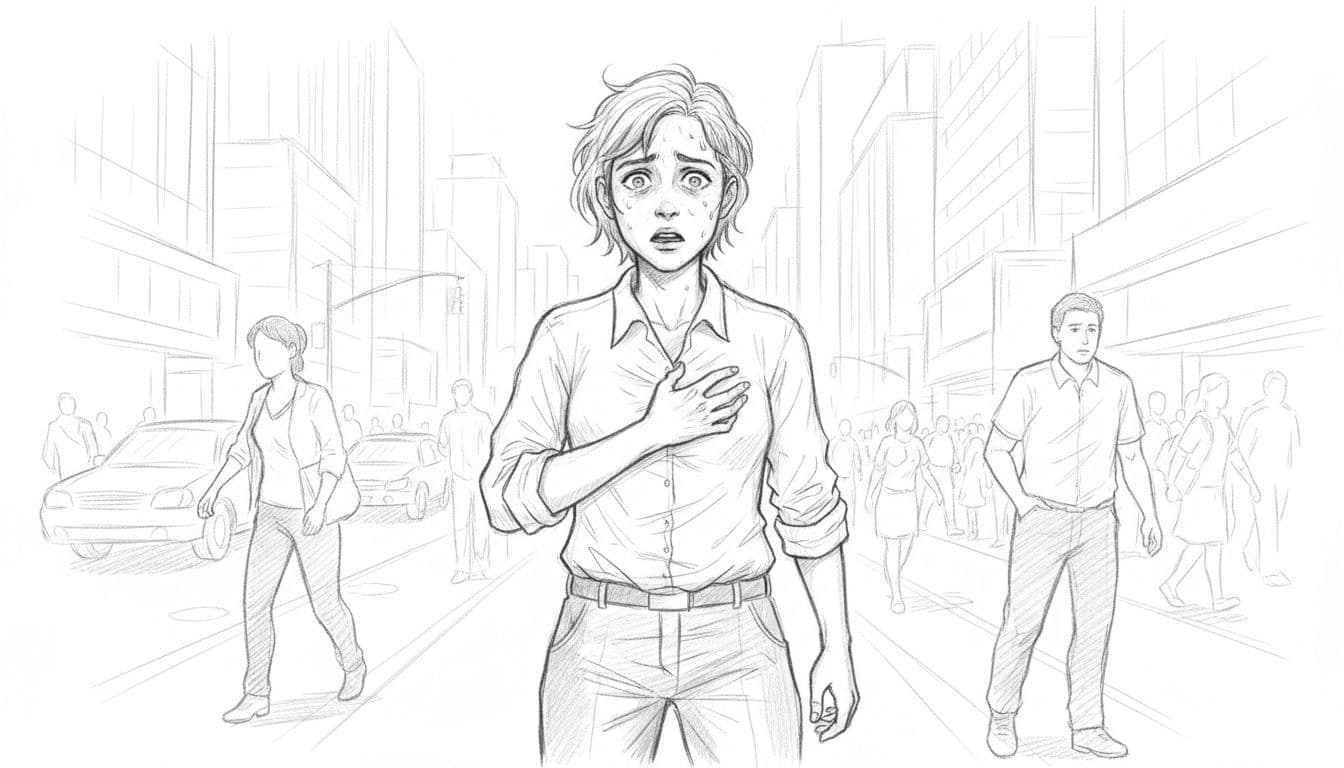
Common physical symptoms include a pounding heart and shortness of breath. You might tremble, sweat profusely, or feel chills. Nausea or stomach cramps join in. Dizziness makes the room spin.
Mental signs ramp up. A fear of dying or losing control grips you. Detachment hits, like watching yourself from afar. Tingling sensations in hands or feet add panic.
The Mayo Clinic lists these as core reactions. No real danger exists, yet your brain screams otherwise. Busy pros ignore early twinges, letting full attacks build.
Physical Symptoms That Mimic a Medical Emergency
Your chest tightens first. A racing heart feels like a drumbeat. Breathing turns shallow and fast, sparking more fear.
Sweating soaks clothes. Muscles tense in your jaw, neck, or shoulders. Chest pain shoots through, mimicking a heart attack. Headaches or hot flashes follow.
These physical symptoms, common in panic disorder, last 5 to 20 minutes. Harvard Health notes they pass, but terror lingers. In traffic or meetings, you freeze. Recognizing them prevents escalation.
Emotional and Cognitive Signs to Watch
Intense fear grips you hardest, often peaking with a feeling of doom. Irrational thoughts race: "I'm dying" or "Everyone sees me freak out." Overthinking spirals.
You feel unreal or numb. Time slows. Urge to escape surges. These mental hits exhaust you after.
Burnout, one of many mental health conditions, fuels this cycle. Racing minds from endless emails worsen it. Track patterns to break free.
Quick Breathing Techniques to Stop a Panic Attack
These breathing exercises serve as essential coping strategies for immediate relief. Breathe to reset. Slow inhales calm your nervous system. Start with box breathing: Inhale four counts, hold four, exhale four, hold four.
Focus on your belly rising. This breathing exercise cuts hyperventilation. Resonant breathing at five breaths per minute works too. Apps guide you, but practice solo first.
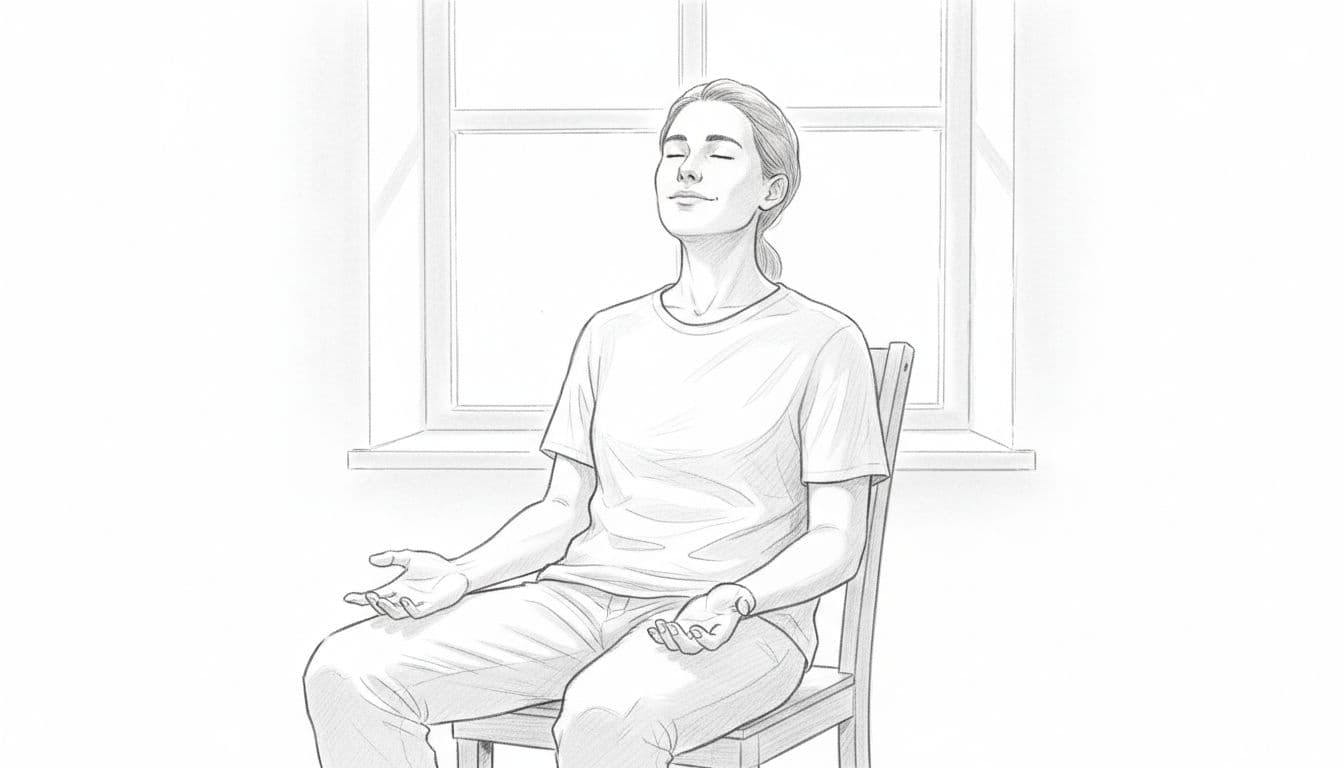
Ground yourself. Name five things you see, four you touch. This pulls you back. Use these for instant relief.
Tools and Apps for Ongoing Anxiety Management
New apps offer wellness on demand, especially helpful for those living with panic disorder or anxiety disorder. They track mood, suggest breathing, and limit screen time. Excessive scrolling feeds anxiety, so smart locks help.
Pausa stands out. Born from a founder's panic attack, it provides guided breathing exercises like box breathing or resonant patterns. Tell it your mood, get tailored exercises. A 10-day journey builds habits without overwhelm.
It blocks addictive apps until you breathe, turning screen time into relaxation moments. Users report less overthinking, better sleep, and calm amid stress. Download the Pausa App for companionship during tough days.
For teams, burnout hits hard. Check out Pausa for People to support colleagues with shared streaks and mood insights.
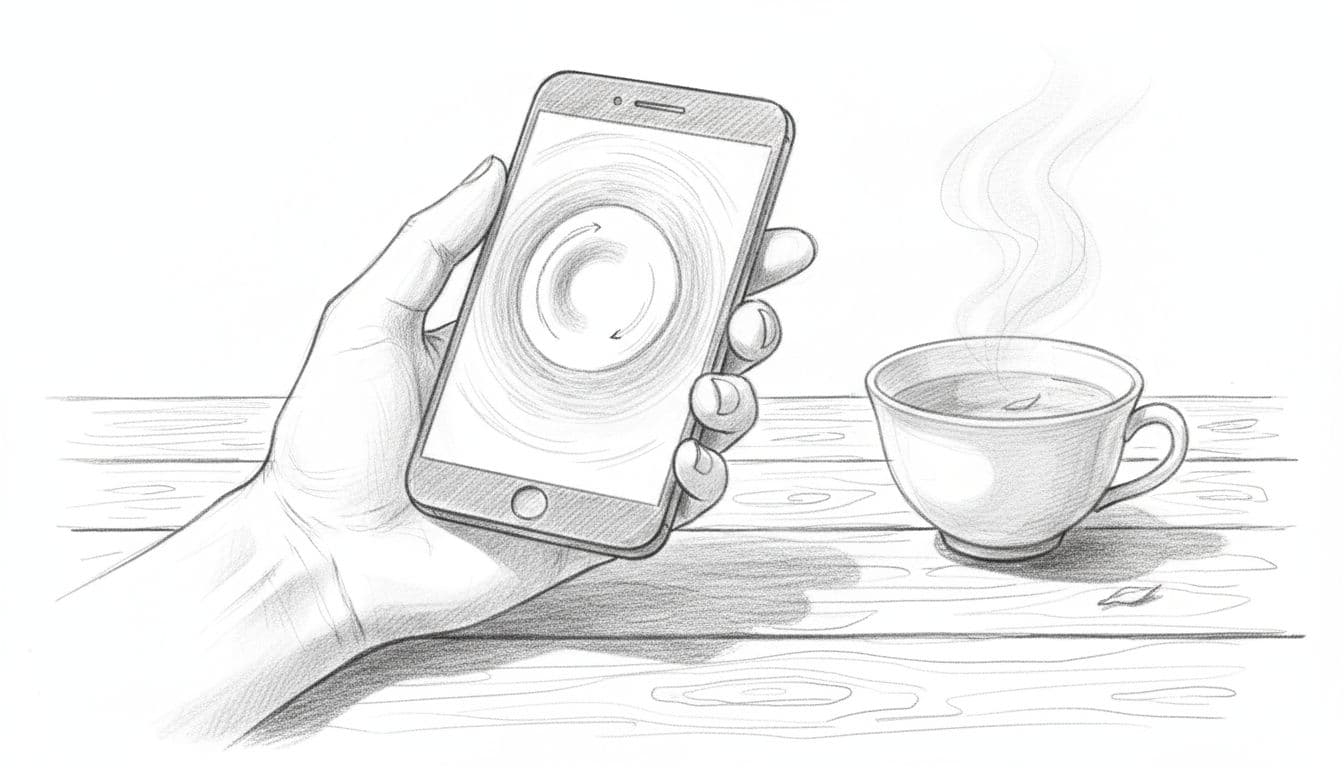
Cleveland Clinic backs breathing for prevention. Apps like these make mindfulness simple, no meditation needed.
Frequently Asked Questions
What are the most common panic attack symptoms?
Panic attacks hit with physical signs like a pounding heart, sweating, shortness of breath, dizziness, nausea, and chest pain—mimicking emergencies. Mental symptoms include intense fear of dying, detachment, or doom. They peak in 10 minutes and fade, but recognizing them early helps you respond fast.
How do I stop a panic attack right away?
Use box breathing: inhale for four counts, hold four, exhale four, hold four to calm your nervous system. Ground yourself by naming five things you see and four you touch. These quick techniques cut hyperventilation and pull you back to the present.
What's the difference between a panic attack and a heart attack?
Panic symptoms like chest pain and racing heart mimic heart issues but last 5-20 minutes and pass without danger. Heart attacks build gradually with arm/jaw pain and don't include intense fear or detachment. If unsure, seek medical help to rule out real emergencies.
When should I seek professional help for panic attacks?
If attacks happen often, disrupt work or sleep, or leave lingering fear, see a mental health pro. Therapy like CBT rewires responses, and meds like SSRIs help some. Frequent episodes may signal panic disorder—don't ignore them.
Can apps really help manage panic attacks?
Yes, apps like Pausa provide guided breathing, mood tracking, and screen blocks tailored to your stress. Users cut overthinking and build calm habits without overwhelm. Pair them with breathing for daily prevention in high-stress city life.
Know When to Seek Professional Support
Most attacks pass alone. But frequent ones disrupt life. If fear of another lingers, consult a mental health professional.
Therapy options like cognitive behavioral therapy, psychotherapy, and exposure therapy rewire responses. Meds such as selective serotonin reuptake inhibitors (SSRIs) and antidepressants help some. Rule out other issues first. Untreated panic disorder can lead to complications like agoraphobia.
Start with a quick quiz for stress levels. Pros offer real guidance.
Panic attack symptoms demand action, not ignore. Spot racing heart or dread early. Use breathing to find peace fast.
Build habits with tools like Pausa to reduce anxiety long-term. You deserve calm sleep and sharp focus. Take that first breath today.

