You drag through your day, coffee in hand, yet exhaustion clings like a shadow. That constant fatigue hits young professionals in busy cities hardest, where deadlines and notifications never stop. Feeling always tired? It often stems from overlooked triggers like poor sleep or hidden stress.
Many chase more rest to fight their lack of energy, but the fix lies deeper. Let's break down the main culprits and simple steps to reclaim your energy.
Key Takeaways
- Prioritize sleep hygiene: Aim for 7-9 hours of quality sleep with consistent schedules, dim lights, and wind-down routines to fight insomnia and unrefreshing rest.
- Tame stress and anxiety: Use breathing apps like Pausa for quick relief from cortisol spikes and overthinking, rebuilding energy in high-pressure city life.
- Cut screen time and lifestyle drains: Set device boundaries, hydrate, take nature breaks, and short naps to counter blue light and sedentary habits.
- Rule out hidden health issues: Persistent fatigue may signal anemia, thyroid problems, or CFS—see a doctor for blood tests if rest fails.
- Fuel with diet and movement: Balance meals with nutrients, limit caffeine, and add daily walks to sustain energy and dodge burnout.
Sleep Problems That Leave You Drained
Your body craves seven to nine hours nightly, yet quality matters most. A sleep disorder like insomnia or restless nights leaves you wiped out, even after time in bed. Tossing and turning signals deeper issues.
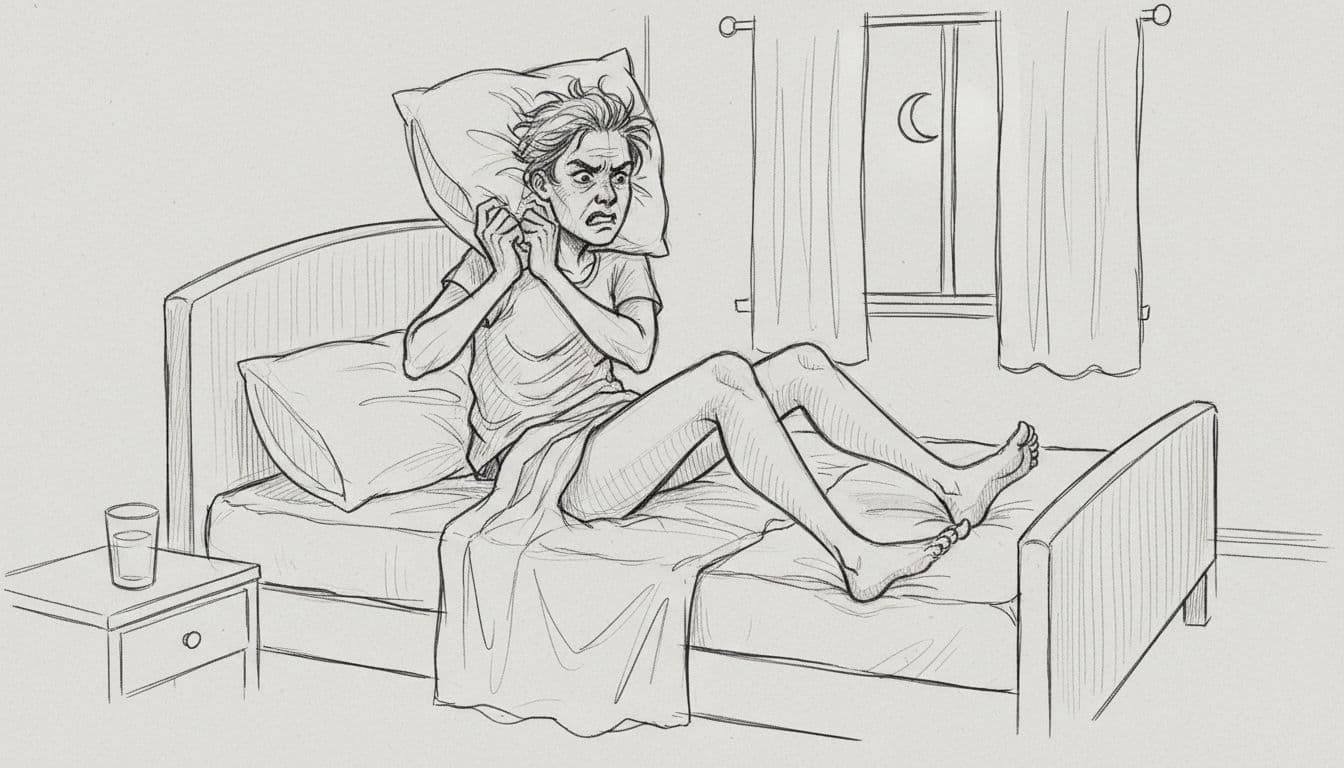
Common sleep thieves include lack of a consistent sleep schedule from city hustle. Screen glow tricks your brain into wakefulness. As a result, you wake unrefreshed. The Sleep Foundation notes chronic poor sleep affects 10% to 25% of adults.
Overthinking at night worsens it. Racing thoughts from work burnout keep sleep at bay. Therefore, wind-down routines help. Dim lights an hour before bed. Avoid heavy meals too.
If fatigue persists despite rest, check for disorders like sleep apnea. Doctors spot these through symptoms. In short, prioritize sleep hygiene first.
Stress and Anxiety Fueling Your Fatigue
Chronic stress drains energy faster than a long run. Your body stays in fight-or-flight mode, spiking cortisol. Anxiety adds overthinking, leaving no room for calm.
High-stress jobs in big cities amplify this. Deadlines pile up. Notifications buzz constantly. Soon, burnout sets in, and you feel always tired. The NHS lists stress and depression, common mental health factors, as top causes.

Breathing offers quick relief. Slow inhales shift your nervous system to rest. Apps guide this process. For example, Pausa uses science-backed techniques like box breathing to reduce anxiety and find peace. Its mood tracker asks how you feel, then suggests breaths for stress or focus.
Pausa fits busy lives. A 10-day journey builds habits without effort. Users report better sleep and wellness. It combats overthinking too. Download the Pausa App today at https://pausaapp.com/en for instant mindfulness.
Besides apps, journal worries before bed. Walks clear mental fog. As a result, energy rebounds.
Screen Time and Lifestyle Drains
Phones steal hours, yet they zap vitality most through a sedentary lifestyle. Blue light strains eyes. Endless scrolls spike dopamine, then crash you. Young hustlers check emails late, fueling fatigue.

Screen time links to poor sleep. The Henry Ford Health blog highlights unexpected drains like this. Notifications fragment focus, breeding exhaustion.
New apps fight back. Pausa blocks addictive ones after limits. Breathe to unlock. This curbs screen time, promotes relaxation. It reframes phone use as self-care.
Set boundaries yourself. Charge devices outside bedrooms. Apps to limit screen time work well. Meanwhile, hydrate often. Dehydration mimics tiredness.
Lifestyle changes add up. Short naps recharge without grogginess. Balance screens with nature breaks.
Hidden Health Issues Behind Constant Tiredness
Not all fatigue bows to habits. Underlying medical conditions lurk. The Mayo Clinic points to iron deficiency anemia, thyroid issues, or infections.
Recent 2026 research flags chronic fatigue syndrome (ME/CFS), marked by post-exertional malaise. Triggers include viruses like COVID-19. Faulty cell channels disrupt energy. Women face higher risk, along with those in menopause.
Depression or diabetes sap strength too. Medications side-effect fatigue. Unexplained weight loss can signal deeper problems. Jefferson Health urges checks for these.
See a primary care doctor if rest fails. Blood tests reveal issues. Discuss various treatment options early to prevent worsening.
Frequently Asked Questions
Why am I always tired even after getting enough sleep?
Sleep quality trumps quantity—issues like insomnia, screen glow, or apnea leave you drained despite hours in bed. Build a consistent schedule, dim lights an hour before sleep, and avoid heavy meals. Apps like Pausa help calm racing thoughts for deeper rest.
How does stress cause constant fatigue?
Chronic stress keeps your body in fight-or-flight mode, spiking cortisol and blocking recovery. High-pressure jobs and notifications amplify burnout. Try box breathing via Pausa or journaling to shift to rest mode and reclaim energy.
Can screen time really make me feel exhausted?
Blue light tricks your brain into wakefulness, while endless scrolls and notifications fragment focus, leading to dopamine crashes. Set boundaries like charging devices outside bedrooms and using apps to limit time. Balance with hydration, walks, and short naps.
When should I see a doctor for tiredness?
If fatigue lingers despite better sleep, stress management, and lifestyle tweaks, underlying issues like anemia, thyroid problems, or CFS may lurk. Blood tests can reveal deficiencies or conditions. Early checks prevent worsening.
What quick diet fixes boost my energy?
Skip ultra-processed foods and balance blood sugar with steady meals rich in greens, lean proteins, and key nutrients like B12 and iron. Limit caffeine and alcohol, which mimic tiredness. Track intake for sustained vitality.
Diet, Exercise, and Work Burnout Fixes
A healthy diet fuels sustained energy. Skipping breakfast or eating ultra-processed foods causes mid-morning crashes as blood sugar levels spike and drop.
Nutrient deficiency drains vitality. Vitamin B12 deficiency or vitamin D deficiency leads to fatigue much like anemia from low iron. Load up on greens and lean proteins. Monitor caffeine intake and alcohol consumption, since excess taxes the body and mimics tiredness.
Physical activity powers up mitochondria, but push too hard and risk burnout. Target 30 minutes of daily walks. They ease stress too.
Work burnout drains teams. Pausa for teams delivers shared wellness for recovery. Check out Pausa for People at https://pausaapp/en/business. Breathing sessions sharpen focus and ease group exhaustion, clearing brain fog for better mental clarity.
Track your intake. Steady meals balance mood and energy.
Constant tiredness flags imbalance, often tied to sleep shortfalls, anxiety, or screen time. Breathing apps like Pausa offer a simple solution to relax, boost sleep, and build calm. Small pauses spark big shifts.
Pick one fix today. Breathe deep. Your energy awaits.

