You wake up after eight hours of sleep, chug coffee, and still drag through your city job. Meetings blur together. Your body feels heavy. Why am I so tired all the time? Constant fatigue often stems from a dysregulated nervous system trapped in stress mode. Chronic pressure, endless notifications, and screen overload keep you wired but exhausted.
Breathwork and quick breaks can shift you to rest mode fast. Science shows they lower cortisol and boost recovery. Apps like Pausa make it simple with guided sessions. You get quick wins for energy that last.
Let's break down the causes first.
Your Nervous System Is Why You Feel Tired Even After Rest
Your autonomic nervous system controls energy and stress. It has two main parts. The sympathetic side triggers fight-or-flight. The parasympathetic handles rest-and-digest. Chronic stress tips the balance toward sympathetic dominance. This floods your body with cortisol. It blocks true recovery, even after sleep.
Think of it like a car engine stuck in high revs. No cooldown means quick burnout. Long-term stress disrupts the HPA axis, your brain's stress hub. Cortisol patterns flatten. Morning peaks vanish. Inflammation rises. Brain fog sets in.
City hustle worsens this. Overwork and poor sleep amplify it. Rule out issues like thyroid problems or sleep apnea first. Then focus on nervous system resets.
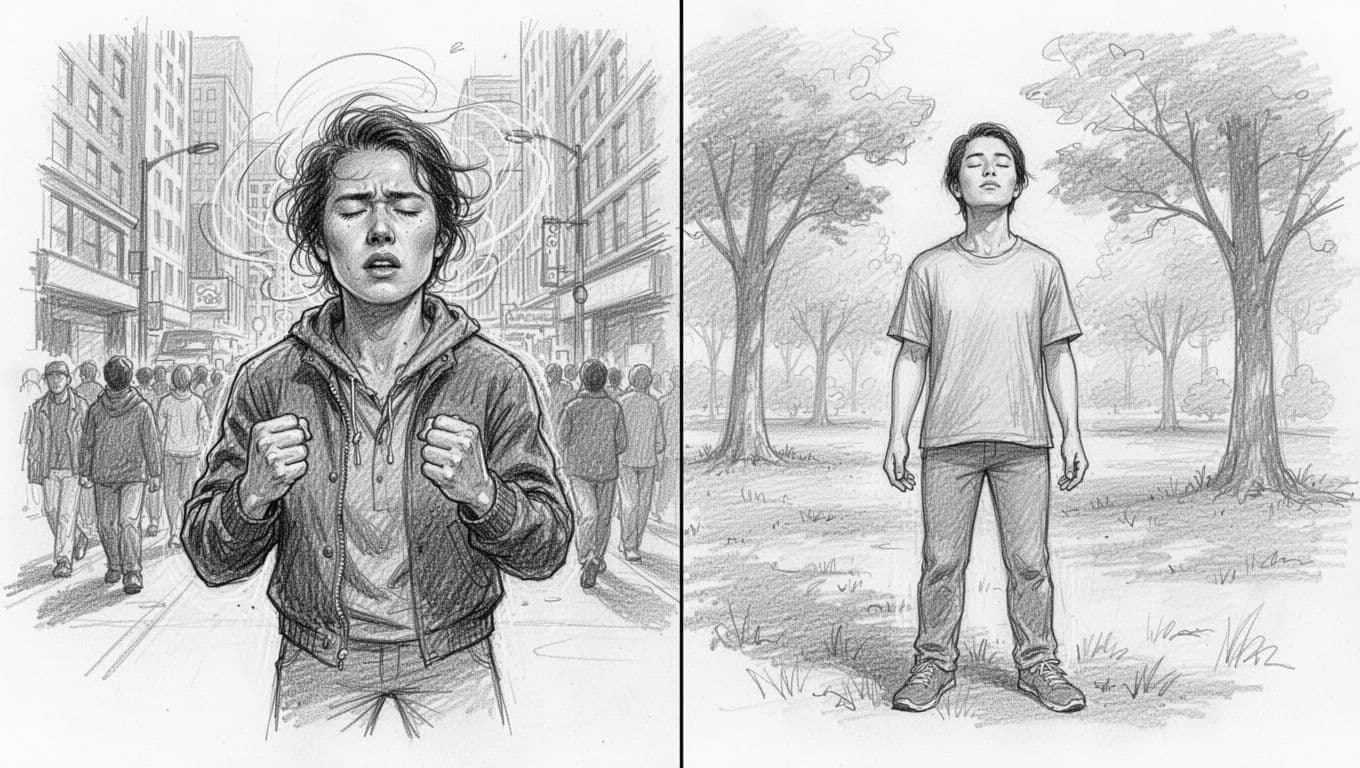
Chronic Stress Keeps You in High Alert Mode
Ongoing stress from jobs and notifications activates the sympathetic system non-stop. Energy reserves deplete fast. Focus drops. Mood swings follow.
Cortisol spikes harm brain paths. Mitochondria, your cell power plants, suffer. You get racing thoughts after meetings. Neck tension builds. It's a cycle. Breaks interrupt it.
Studies link this to oxidative stress. Your body stays alert. Recovery stalls.
Weak Vagus Nerve Blocks Your Recovery
The vagus nerve acts as your calm switch. Stress weakens its tone. You feel hypoarousal, low energy, and amplified fatigue signals. Brain fog thickens. Inflammation spreads.
Trauma or poor sleep makes it worse. Pausa's founders learned this after panic attacks. Breathwork rebuilds tone. Recovery speeds up.
Low vagus activity shrinks brain areas like the hippocampus. Neurotransmitters dip. You stay wired but tired.
Screen Time's Dopamine Loop Drains You Dry
Phones deliver quick dopamine hits. Checks average 144 to 186 times daily in the US. That's every five to ten minutes. Receptors desensitize. Cravings grow.
Blue light suppresses melatonin. Sleep quality falls. Hyperarousal keeps nerves on edge. You scroll for a boost, then crash harder.
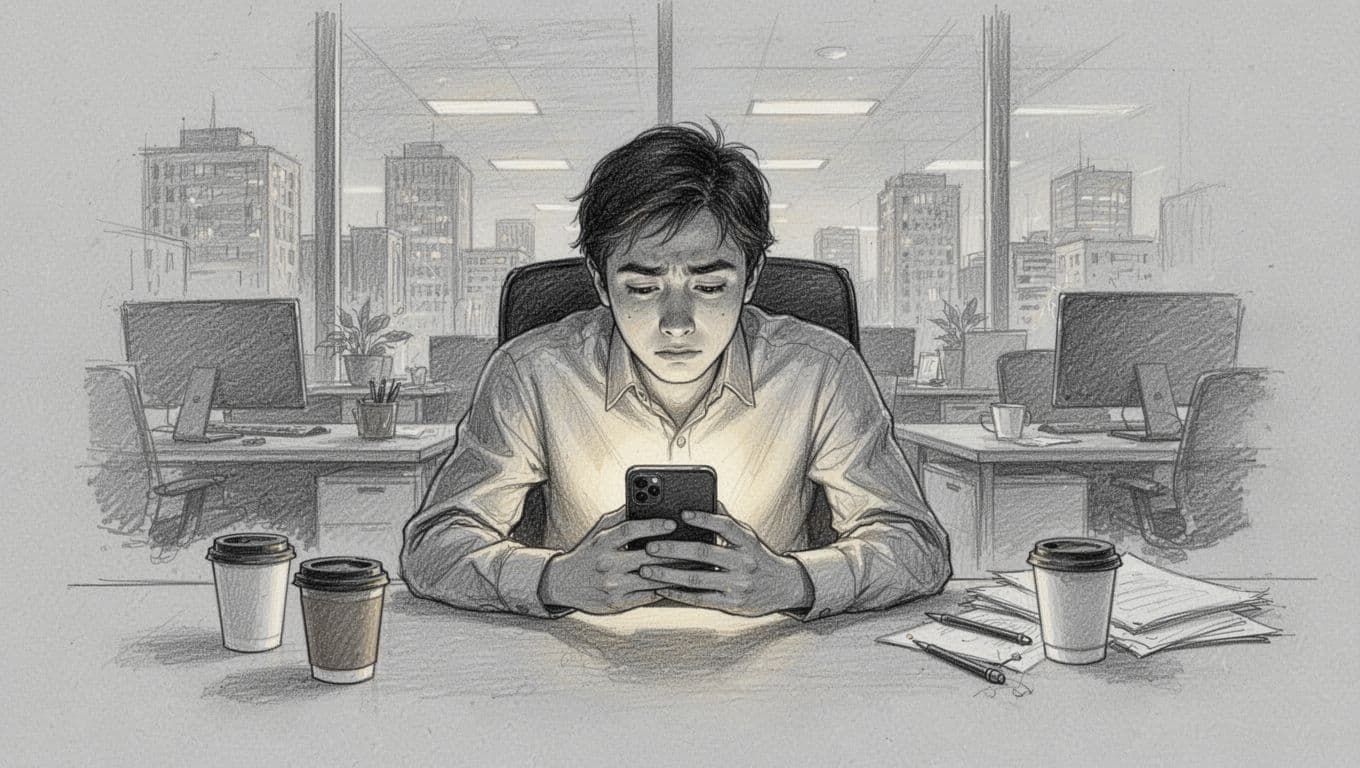
This cycle adds to tiredness despite rest. Screen time hits four to five hours daily now.
Clear Signs Your Nervous System Craves a Reset
You might notice clues in your body and mind. They signal imbalance. Pay attention. Act early.
Physical tension shows first. Mental fog follows. Sleep evades you. These tie to sympathetic overdrive.
Body Clues Like Tension and Low Energy
Jaw clenches. Shoulders hunch. Chest tightens. Fatigue hits after small tasks. Sympathetic dominance causes this. Muscles stay braced.
Energy dips fast. You push through. It backfires.
Mind Fog and Racing Thoughts
Thoughts race. Attention spans shorten. Irritability spikes. Dysregulation fuels anxiety. HRV, your heart's calm measure, drops.
Post-scroll crashes hit young pros hard. Burnout feels constant.
Reset Your Nervous System with Proven Breathwork and Breaks
Breathwork stimulates the vagus nerve. It raises HRV. Cortisol drops quick. No meditation needed. Start with five minutes.
Pausa guides you. Tell it your mood. Get tailored breaths. Its screen lock blocks addictive apps. Breathe to unlock. This breaks dopamine traps.
Download the Pausa App (https://pausaapp.com/en) for sessions now. Trends show breathwork apps surging in 2026. They fit busy lives.
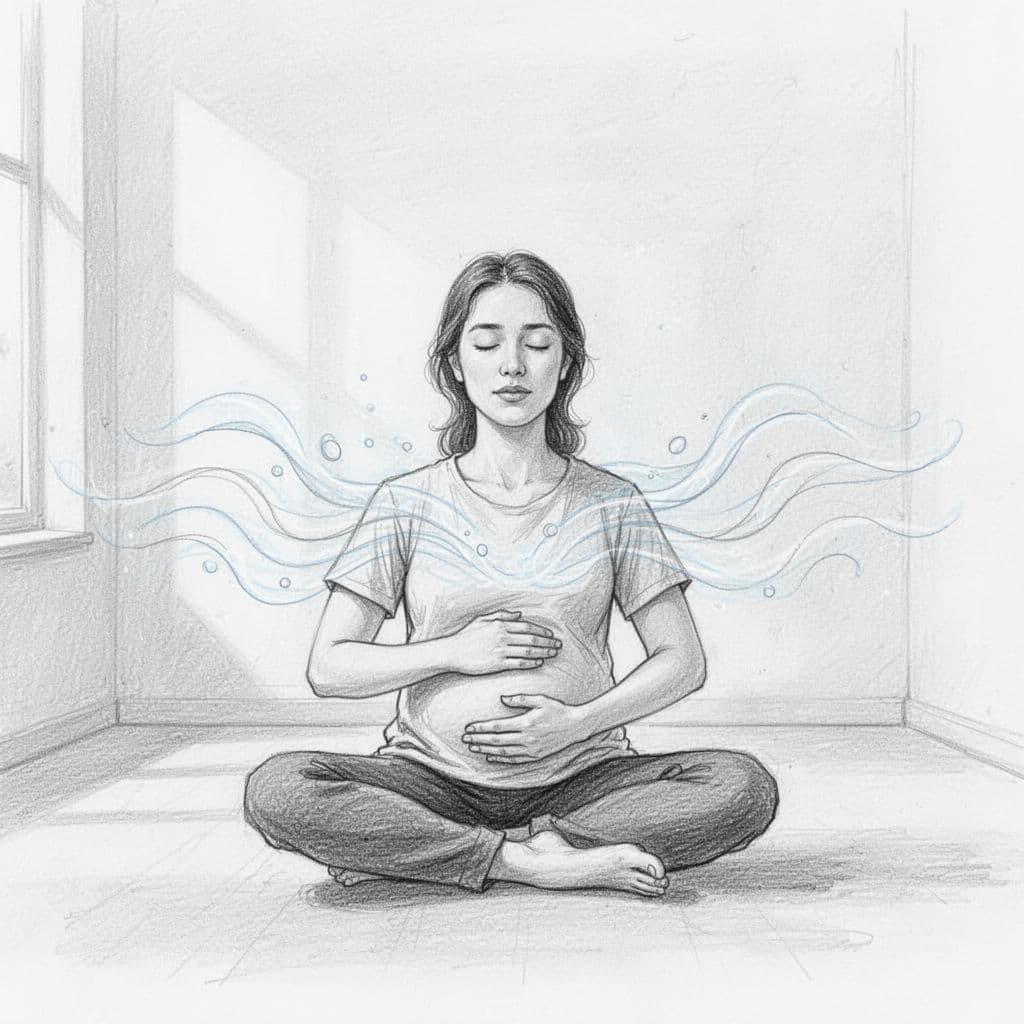
Ground with 5-4-3-2-1 senses. Take walks. Cold splashes help too.
For teams, check out Pausa for People (https://pausaapp.com/en/business).
Master Breathwork to Flip the Switch to Calm
Try box breathing: inhale four, hold four, exhale four, hold four. Resonant breathing at 4-6 breaths per minute works. Pausa offers Wim Hof too.
Anxiety falls. Sleep improves. Energy rises. Physiological sighs reset fast: two inhales, long exhale.
Hack Your Vagus Nerve for Quick Energy Boosts
Humming vibrates the nerve. Cold face splashes activate it. Pair with Pausa's SOS mode for panic moments.
Progressive muscle relax cuts tension. Results show 30% fatigue drop.
Cut Screens and Dopamine Traps for Real Rest
Pausa's lock promotes pauses. Breathe before social media. Gain 20 minutes more sleep. Detox rebuilds calm.
Hyperarousal fades. True rest returns.
Daily Habits to Keep Your Energy Steady Long-Term
Build on resets with streaks. Pausa tracks them. Consistency grows without force.
Walk in nature after meetings. Small pauses add up. Mood insights guide you.
Users report less anxiety, clearer minds, better sleep. It fits real life, not rigid schedules.
Start small. Energy steadies over time.
Constant tiredness comes from stress overload, weak vagus tone, and screen traps. Breathwork and Pausa flips it.
Pausa offers companionship for anxiety and burnout. Born from panic attacks, it's on iOS and Android. Take the free quiz first.
Download Pausa today at https://pausaapp.com/en. Small pauses create big energy shifts. You feel it from the first breath.

