You wake up drained, drag through your day, and collapse into bed still exhausted. Constant fatigue hits hard, especially in busy cities where stress piles on. It steals your focus and joy.
This tiredness goes beyond a late night. It signals deeper issues like anxiety or poor habits. Addressing them can help restore stable energy levels. You can break the cycle with simple changes. Let's explore the real causes first.
Key Takeaways
- Constant fatigue often stems from lifestyle factors like poor sleep, unhealthy diet, dehydration, vitamin deficiencies, and sedentary habits—start with basics like better water intake and iron-rich foods to lift the fog.
- Chronic stress and anxiety from work or city life keep your body in fight-or-flight mode, leading to burnout; counter it with breathing exercises and screen time limits to restore calm and deep sleep.
- Evening screen exposure disrupts melatonin and fuels anxiety via notifications—use apps like Pausa to block distractions and incorporate guided breathing for better focus and energy.
- Track moods, swap coffee for walks, and build mindfulness habits with tools like Pausa to prevent energy crashes and support lasting wellness.
- Persistent exhaustion may signal medical issues like anemia, thyroid problems, or sleep apnea—see a doctor for tests if simple changes don't help.
Everyday Causes Behind Constant Fatigue
Lifestyle factors like poor sleep top the list as primary causes of exhaustion. Many adults get less than seven hours nightly, yet demands keep rising. Straying from a healthy diet makes energy crashes happen faster.
Vitamin deficiency and iron deficiency anemia play a big role too. Low iron or vitamin B12 leaves you foggy and weak. The NHS outlines common triggers like insomnia, excessive caffeine intake, alcohol consumption, or bad eating. Dehydration sneaks in as well; even mild cases sap strength. Adjusting these directly impacts quality of sleep and supports a healthy diet.
Lifestyle adds up. Sedentary jobs mean less movement, so muscles tire quicker. Recent studies link infections or thyroid problems to ongoing exhaustion. Check basics like water intake and meals first. Small fixes often lift the fog.
Stress and Anxiety Drain Your Energy
High-pressure work or city life sparks chronic stress, fueling overthinking and racing thoughts often linked to depression and anxiety. Your body stays in fight-or-flight mode, burning fuel nonstop. This leads to burnout, where even rest fails.
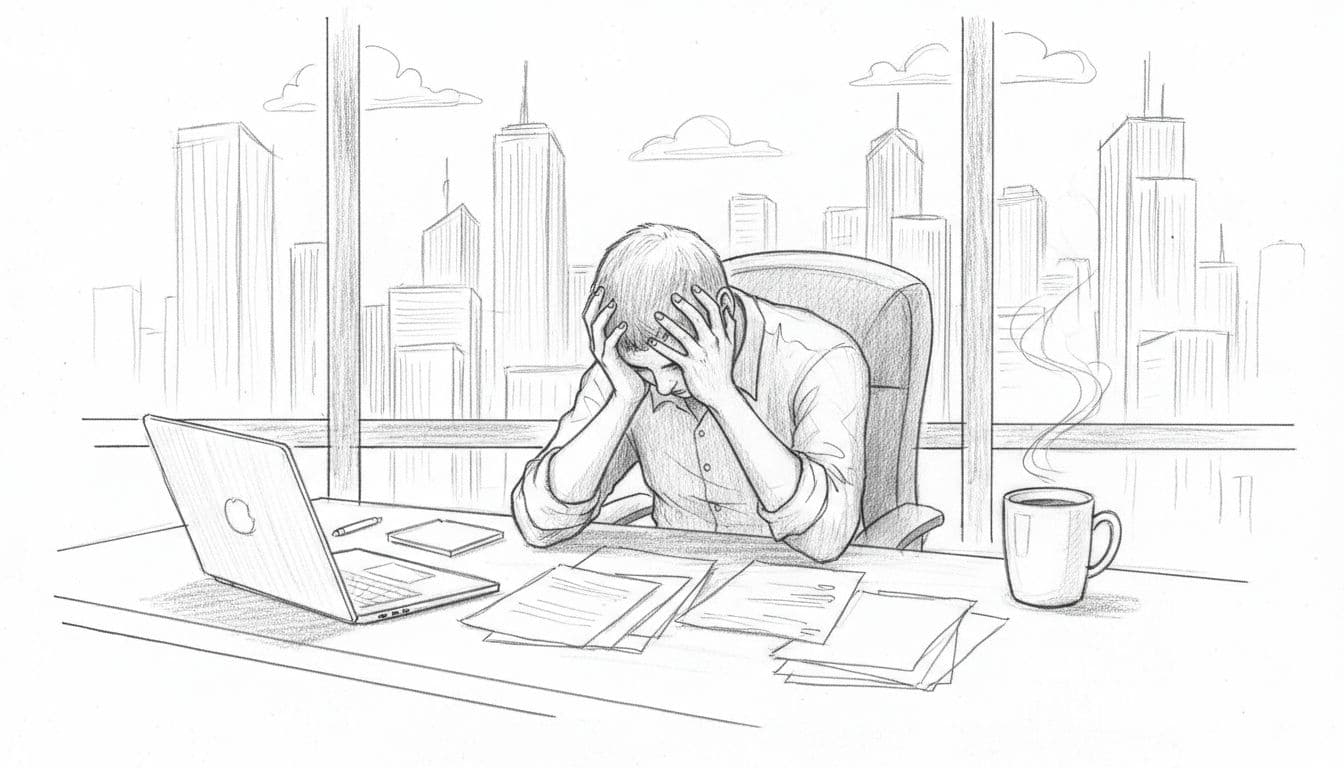
Anxiety amps it up. Tense muscles and worry keep cortisol high, blocking deep sleep. A Cleveland Clinic article on burnout signs notes exhaustion as a key warning. Young professionals hustle hard but pay with constant fatigue.
These pressures impact overall mental health for young professionals. Breaks matter here. Without them, stress turns minor tasks into mountains. Bodies adapt poorly to endless alerts and deadlines.
Screen Time Steals Your Rest and Focus
Phones light up evenings, tricking brains into alertness. Blue light cuts melatonin, so sleep suffers. Evening screen exposure disrupts sleep hygiene, as one Sleep Foundation piece explains. Doomscrolling before bed worsens it.
Excess screen time fragments attention too. Notifications pull you back, raising anxiety. No wonder fatigue lingers. Apps to limit screen time help; built-in tools track usage, but stronger ones block distractions. These improve quality of sleep by reducing evening exposure.
New apps in 2026 stand out. They enforce pauses, cutting habits that fuel tiredness. One smart solution locks social media until you complete a quick task. This builds better rhythms.
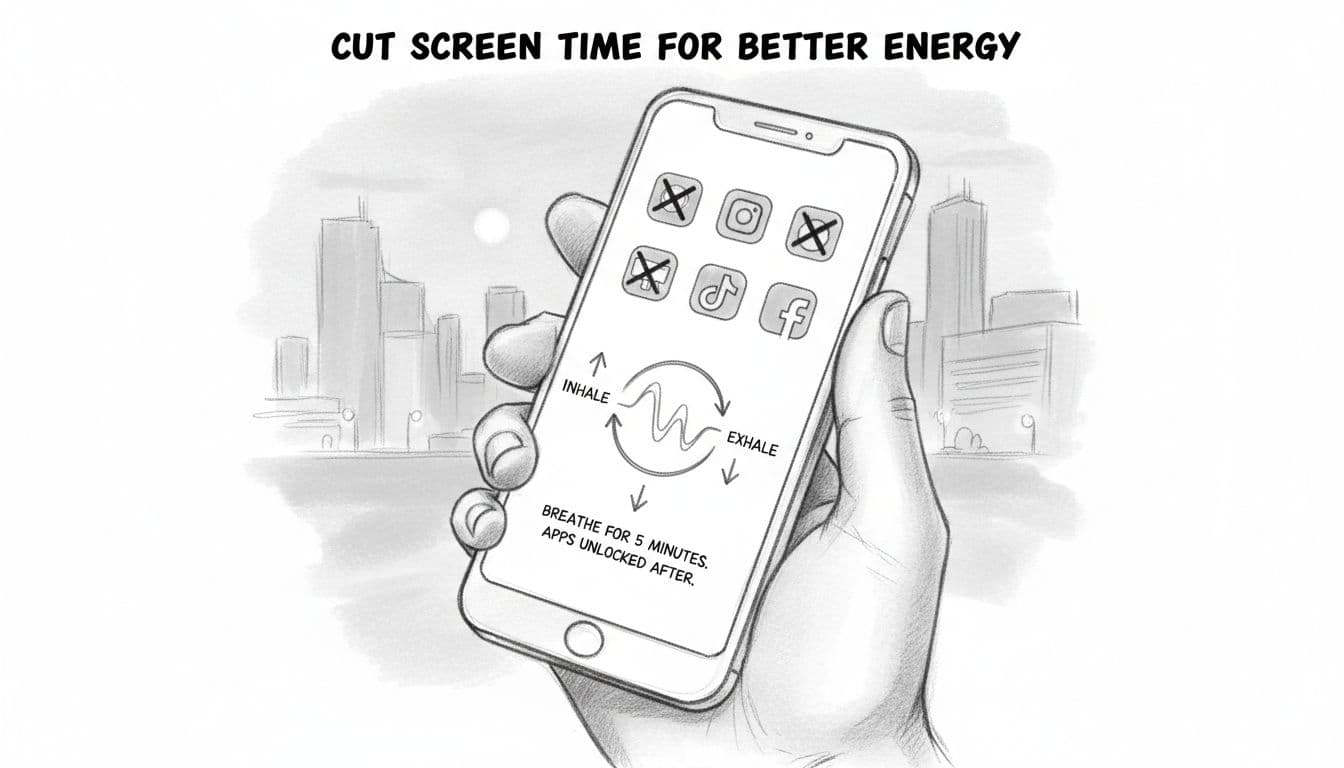
Pausa takes it further. It blocks addictive apps after set limits. You breathe to unlock them, turning phone time into wellness moments. Users report less anxiety and better sleep.
Breathing Brings Calm and Renews Energy
Simple breathing regulates your nervous system fast, a vital tool for maintaining mental health and reducing the physical sensations of stress. Slow inhales lower heart rates and ease tension. Science backs it; studies show paced breaths cut anxiety and boost recovery.
Start easy. Inhale for four counts, hold four, exhale four. Do this mid-day to fight fatigue. It counters overthinking by grounding you.
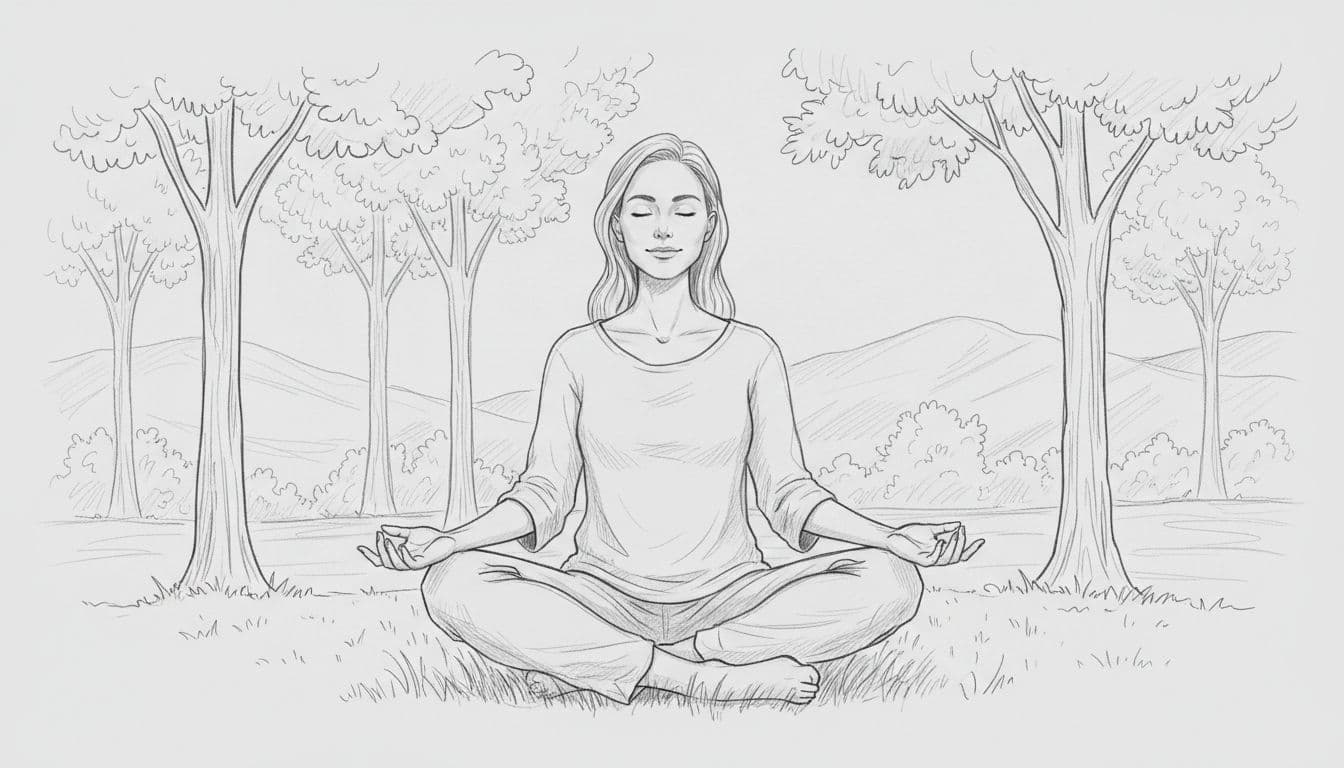
Apps make it stick. Pausa guides you with science-based patterns like box breathing or resonant styles. Its mood tracker asks how you feel, then suggests the right exercise. A 10-day journey builds habits without overwhelm.
Born from panic attack recovery, Pausa offers companionship for stress, burnout, and depression. Thousands find peace and calm through short sessions. Download the Pausa App today for on-demand relaxation and focus.
Build Wellness Habits for Lasting Energy
Track moods daily. Note what drains you, like late scrolling. Swap coffee for walks; physical activity oxygenates better. Eat iron-rich foods such as spinach to fight deficiencies. A healthy diet helps stabilize blood sugar levels to prevent energy crashes after meals.
Mindfulness fits busy lives. Pausa's streaks motivate consistency, like 71-day runs users share. For teams, Check out Pausa for People. It helps groups manage stress together, with anonymized reports.
Combine steps. Less screen time plus breathing equals deeper sleep and steady energy. Track progress weekly.
Frequently Asked Questions
Why am I tired even after sleeping?
Constant fatigue goes beyond a late night, often from poor sleep quality due to screens, stress, or dehydration. Blue light suppresses melatonin, while high cortisol from anxiety blocks deep rest. Fix it by limiting evening screens and practicing breathing exercises like 4-4-4 inhales to regulate your nervous system.
Can stress really cause ongoing exhaustion?
Yes, chronic stress from work or city life triggers fight-or-flight, burning energy nonstop and leading to burnout. Tense muscles and overthinking keep cortisol elevated, preventing recovery even with rest. Short breathing sessions via apps like Pausa lower heart rates fast and rebuild energy.
How does screen time affect my energy?
Evening phone use emits blue light that tricks your brain into alertness, cutting melatonin and worsening sleep hygiene. Doomscrolling and notifications fragment focus, raising anxiety. Tools like Pausa block apps after limits, prompting breathwork to unlock for calmer evenings and better rest.
When should I see a doctor for fatigue?
If tiredness persists despite lifestyle tweaks, it could signal anemia, thyroid issues, sleep apnea, or post-viral effects. Unexplained weakness or symptoms lasting weeks warrant a checkup for tests. Early action prevents deeper burnout and uncovers tailored treatments.
What simple habit can fight fatigue right now?
Try box breathing: inhale for four counts, hold four, exhale four—do it midday to ease tension and ground overthinking. Pausa app guides patterns with mood tracking for consistency. Users report less anxiety, deeper sleep, and steady energy from these quick sessions.
Know When Fatigue Signals More
Persistent exhaustion, unexplained tiredness, or chronic fatigue syndrome lasting weeks calls for a checkup. It may point to an underlying medical condition like anemia, obstructive sleep apnea (also called sleep apnea), thyroid gland issues, type 2 diabetes, rheumatoid arthritis, fibromyalgia, or celiac disease. Recent research links constant fatigue to post-viral effects too, so mention any recent illnesses. Report symptoms such as muscle fatigue to your doctor.
Don't ignore it. Early action with diagnostic tests prevents deeper burnout. Pros offer tailored plans, including medical treatment and cognitive behavioral therapy, to tackle any underlying medical condition.
Constant fatigue stems from stress, screens, and habits, but you hold the fix. Breathing and limits restore calm. Start small today; energy returns as you relax and recharge. Your days get clearer.

