

Pressure doesn't show up on the org chart, but it runs the place anyway. Cycles get faster. Pings multiply. Everyone looks fine on calls, then quality slips at 11:30 pm.
The scale is ugly. Recent 2026 US workplace surveys report 61% of workers feel "languishing" (low engagement and motivation). Another large data set shows 77% of Americans felt stressed by work in the last month, and 57% reported burnout tied to work stress. Mental health strain is also showing up as lower output, with 61% of workers reporting reduced productivity linked to mental health issues.
That's not a vibes problem. That's missed goals, more errors, sharper conflict, and higher churn.
This article is a toolkit. No "wellbeing theater." No new standing meeting. Just tools that work inside real work, including in-the-moment resets (guided breathing), team habits, manager language, and privacy-safe measurement.
What "anxiety management tools" really mean for teams (and what they are not)
In plain terms, anxiety management tools help people do three things:
Calm the body. Focus the mind. Ask for help earlier.
That's it.
They're not a diagnosis. They're not a replacement for therapy, medication, or clinical care. If someone has panic attacks, persistent insomnia, or anxiety that blocks daily function, professional support matters (EAP, a licensed therapist, a physician). Tools can help someone get through the next 10 minutes. They can't solve the whole system alone.
Also, don't confuse "normal stress" with anxiety symptoms. Stress is often tied to a clear trigger (deadline, conflict, uncertainty). Anxiety can linger even when the trigger is vague, and it often shows up physically first (tight chest, jaw tension, shallow breathing, racing thoughts). In teams, the difference matters because the response changes: sometimes you fix the workload, sometimes you help someone regulate, sometimes you do both.
Most programs fail because they demand too much. A one-time workshop. A 45-minute meditation. A platform nobody opens.
If you want outcomes leaders care about, you need tools that reduce friction. Less rework. Better focus. Cleaner conflict. Lower churn.
For a grounded take on why most stress programs get ignored (and what actually gets used), this 2026 playbook on stress management training that employees actually use captures the problem well: adoption is the whole game.
A quick checklist of signs your team needs better support
You don't need a clinical lens to see the signals. Watch the work.
- More sick days and "mystery" absences: not always illness, often overload.
- Shorter tempers in meetings: tiny triggers, big reactions.
- Missed deadlines with lots of activity: classic productivity anxiety, motion without progress.
- Constant Slack or email checking: fear-driven overwork, no real off-switch.
- Quality drift: more small mistakes, more customer friction, more rework.
- Silence from usually vocal people: avoidance, low psychological safety, or both.
- Sleep complaints: people say they're tired, wired, or waking at 3 am.
None of this means "your team is broken." It means the system needs better regulation.
What good tools have in common: fast, private, easy to repeat
Most teams don't need more information. They need a repeatable reset.
Good anxiety management tools tend to be:
- 1 to 5 minutes, because that fits between meetings.
- Usable during the workday, not only at night.
- Low effort, especially when someone is already anxious.
- Optional but visible, so people don't feel singled out.
- Privacy-protecting, because trust is the entry ticket.
- Habit-friendly, because consistency beats intensity.
If a tool needs training, it won't scale. If it feels performative, it won't last.
For a deeper set of work-friendly breathing patterns with practical safety notes, see Pausa Business' guide on breathing exercises to combat anxiety.
The core toolkit: simple tools teams can use the same day
Think of this as a menu. You don't roll out everything. You pick what matches your team's stress pattern.
Use cases make this easier: Before a hard meeting, you want steadier attention. After conflict, you want the body to come down. During deadline week, you want fewer spirals and fewer late-night "doom loops."
Breathwork sits at the center for one reason: it's fast. It's also a direct input to the nervous system. When anxiety is loud, thinking your way out rarely works.
Besides breathing, keep a few non-digital tools around. Simple ones. A grounding prompt on a card. A quiet space norm. A short walk after an intense call. Even tactile options (stress balls, small fidgets) can help some people discharge tension without turning it into side-talk.
Guided breathing that actually fits work, 3 minutes before meetings
Breathing helps because it changes the body's stress settings. A calmer exhale can lower the "threat" signal. Slower breathing can reduce the urge to rush. That doesn't delete the problem. It just gives you steering back.

Three patterns that fit workplace reality:
Box breathing (steadying): inhale 4, hold 4, exhale 4, hold 4. Repeat for 1 to 3 minutes. If holds feel bad, shorten them or remove them.
Resonant-style slow breathing (downshift): breathe slowly and smoothly, aiming for a longer exhale than inhale. Many people start with 4 seconds in, 6 seconds out.
Physiological sigh (fast reset): two short inhales through the nose (second one is small), then one long slow exhale. Do 2 to 5 rounds, then stop.
A practical micro-script for leaders: "Before we start, 60 seconds. Feet on the floor. Inhale gently, exhale longer. Do that three times. Ok, now we begin."
Guidance matters when anxiety spikes. People can't "remember the method" mid-spiral. That's why guided audio works: it carries the timing when the brain is noisy.
If you want an easy way to give your team guided breathing access on iOS and Android, point them to Pausa. It was built for real-life anxious moments, not perfect routines, and it's designed to feel like companionship when someone feels alone with their stress.
AI-driven change is also adding a new layer of fear and uncertainty in some orgs. If that's showing up on your team, Spring Health's breakdown of AI anxiety as a workplace stressor is a useful read for HR and executives.
Micro-breaks that reduce screen overload instead of adding more noise
Most apps want more attention. Your team doesn't need that. They need fewer open loops.
Micro-breaks work when they replace the exact moments people usually reach for the phone. The goal isn't to ban screens. It's to stop the automatic scroll that keeps the nervous system "on."

Three simple options that don't require culture change theater:
First, a 60-second reset between tasks. Stand up. Look far away. Exhale slowly. Sit back down.
Next, phone boundaries that don't moralize. For example: notifications off during deep work blocks, or a gentle screen-time lock that redirects the reflex scroll into a short breathing session.
Finally, the "one breath before you reply" rule. Not forever. Just during tense weeks. It slows impulsive messages, which prevents conflict you'll later "have to process."
If a tool adds steps, people won't use it when they're stressed. If it removes steps, it becomes a habit.
Make tools stick with team habits, not extra meetings
Rollouts fail when they feel mandatory, personal, or weird. So don't pitch anxiety tools like a program. Pitch them like infrastructure.
Make them optional, then model them anyway. Keep them short, then repeat them. Talk about performance, then include humanity.
Hybrid and global teams can still do this. A 60-second pause works on Zoom. A simple check-in works async. The point is consistency, not perfect participation.
For leaders who want a broader, research-informed approach to stability during hard seasons, Seramount's guide on building team engagement and well-being during crisis aligns with what actually works: embed support into everyday work design.
Small rituals that lower the team's baseline stress
These rituals don't "solve anxiety." They lower the background load. That's the win.
- 60-second meeting start pause: reduces snap reactions and mental carryover.
- No back-to-back block (even 10 minutes): gives the body time to come down.
- Camera-optional moments: removes performative pressure on tough days.
- Clear escalation paths: uncertainty fuels anxiety, clarity reduces it.
- Break reminder after intense calls: helps people avoid stacking stress.
- "Red-yellow-green" check-in: normalizes naming strain without oversharing.
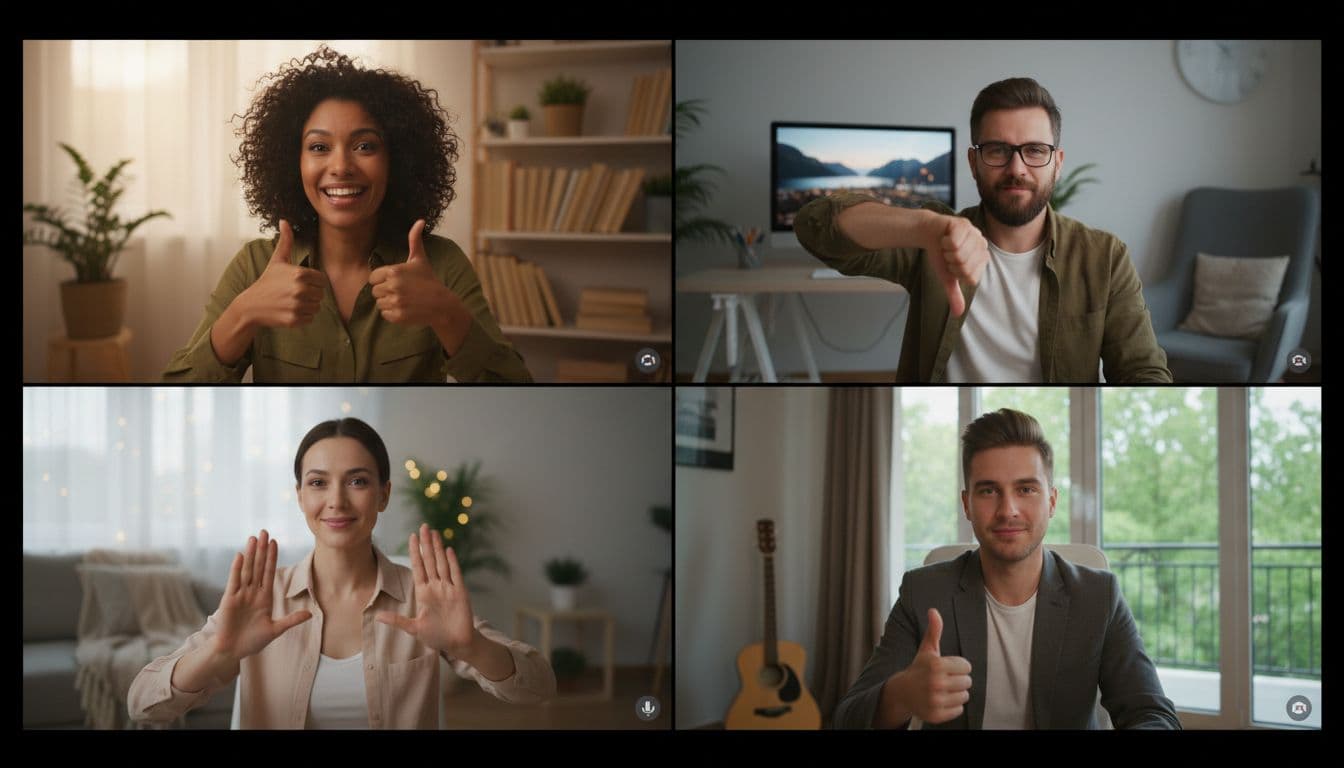
A quiet truth: culture is just repeated behavior. You don't need a slogan. You need reps.
How managers can talk about anxiety without acting like therapists
Managers shouldn't play clinician. They should play connector.
Use simple language. Keep it private. Offer options.
Safe phrases that work: "I've noticed you seem under a lot of strain. Want to talk through workload or support?" "You don't have to push through this alone. What would help today?" "We can adjust priorities. Also, if you want professional support, I can point you to our resources."
Then hold the boundary: Listen. Normalize. Offer choices. Document only what's needed. Don't ask for medical details.
Confidentiality isn't a perk. It's the condition for honesty.
Choosing the right platform for your company (what to ask before you buy)
Buying "wellness software" is easy. Buying behavior change is harder.
Ask questions that force reality:
Will people use it on a bad day? Does it deliver value in under five minutes? Does it protect privacy, even when leadership wants dashboards?
This is where low-friction tools win. Pausa Business is a good example of that approach: guided breathing sessions that work from day one, mood check-ins that recommend techniques, streaks that build habit, optional screen-time locks, and anonymized reporting for teams. It's also mobile-first (iOS and Android) and priced simply, starting around $2 per employee per month.
If you want more implementation detail for small orgs, Pausa Business' guide to budget-friendly team wellness initiatives is a practical reference.
A simple evaluation scorecard: adoption, privacy, and real behavior change
Use this quick scorecard when comparing tools:
| Criterion | What you're looking for | Why it matters |
|---|---|---|
| Time-to-value | Works in 1 to 5 minutes | Fits the day people actually have |
| Adoption | Minimal setup, no training | Most tools fail here |
| Privacy | Anonymized or aggregate reporting | Trust drives usage |
| Mobile access | iOS and Android | Includes frontline and desk workers |
| In-the-moment resets | Breathing, grounding, quick breaks | Stops spirals early |
| Habit support | Streaks, gentle reminders | Repetition changes baseline |
| Focus support | Tools for stress and focus | Anxiety often shows up as distraction |
| Leader visibility | Trends, not surveillance | Measure without spooking people |
The best platform won't feel like monitoring. It'll feel like support.
What a low-lift rollout looks like with Pausa Business
A rollout should take minutes, not months.
The flow is simple: the company sets up the org, invites colleagues, and employees download the app. Then they start with short guided sessions, especially before meetings and after tense moments. Over time, mood check-ins can recommend the right breathing pattern (calm, focus, energy), streaks build consistency, and leaders see anonymized trends instead of personal data.
If you're evaluating that model, start here: Pausa Business.
Conclusion
Anxiety at work isn't rare. It's common. It's also expensive.
The fix isn't a big program. It's small tools people repeat. Guided breathing for fast regulation. Micro-breaks that reduce screen overload. Team rituals that lower baseline stress. Manager language that stays human, without turning managers into therapists.
Run a 2-week pilot. Pick one breathing tool, one team ritual, and one measurement (anonymous trend check-ins work well). Then watch what happens to errors, conflict, and late-night messages.
Make taking a pause part of work, without guilt. That's not softness. That's good operations.