

Work now runs on pings, tabs, alerts, and back-to-back calls. That sounds normal until people hit the wall. Screen fatigue creeps in. Focus breaks apart. Home stops feeling like home because work never really logs off.
A digital wellbeing program for companies is a simple idea with real weight. It gives employees a healthier way to use technology at work, through habits, tools, policies, and manager behavior. Not as a perk. As part of how the company operates.
That matters more in hybrid and remote teams, where boundaries blur fast. When the program is done well, the outcomes are plain: less burnout, better focus, healthier routines, and stronger retention. When it's done badly, it's just more noise.
What a digital wellbeing program for companies actually includes
A real program is not a meditation app dropped into Slack. It is not a monthly wellness email. It is not a poster telling people to take breaks while meetings keep filling every open slot.
A practical program works like an operating system. It sets rules, reduces friction, and gives people support they can actually use.
Healthy tech habits, clear boundaries, and better daily routines
Start with the basics. Most teams don't need a grand reinvention. They need cleaner defaults.
That means break reminders people can mute, not ignore. It means focus blocks with no meetings. It means clear response-time norms, so every message doesn't feel like a fire alarm. It also means limits on after-hours messaging, plus saner notification settings.
Policy matters because culture copies policy. Yet culture matters more because people copy leaders. A handbook can say "disconnect after work," but if managers keep sending 10:30 p.m. notes, the real rule is obvious.
Good companies write these standards down. Better companies train managers to follow them. Some also formalize the commitment through outside frameworks, like the digital wellbeing charter, because public promises create internal pressure.
Tools and support that make digital wellbeing easier
Tools help, but only when they remove strain. Useful examples include screen-time tracking, blue-light settings, ergonomic guidance, mindfulness apps, telehealth access, and wearables that nudge movement or rest.
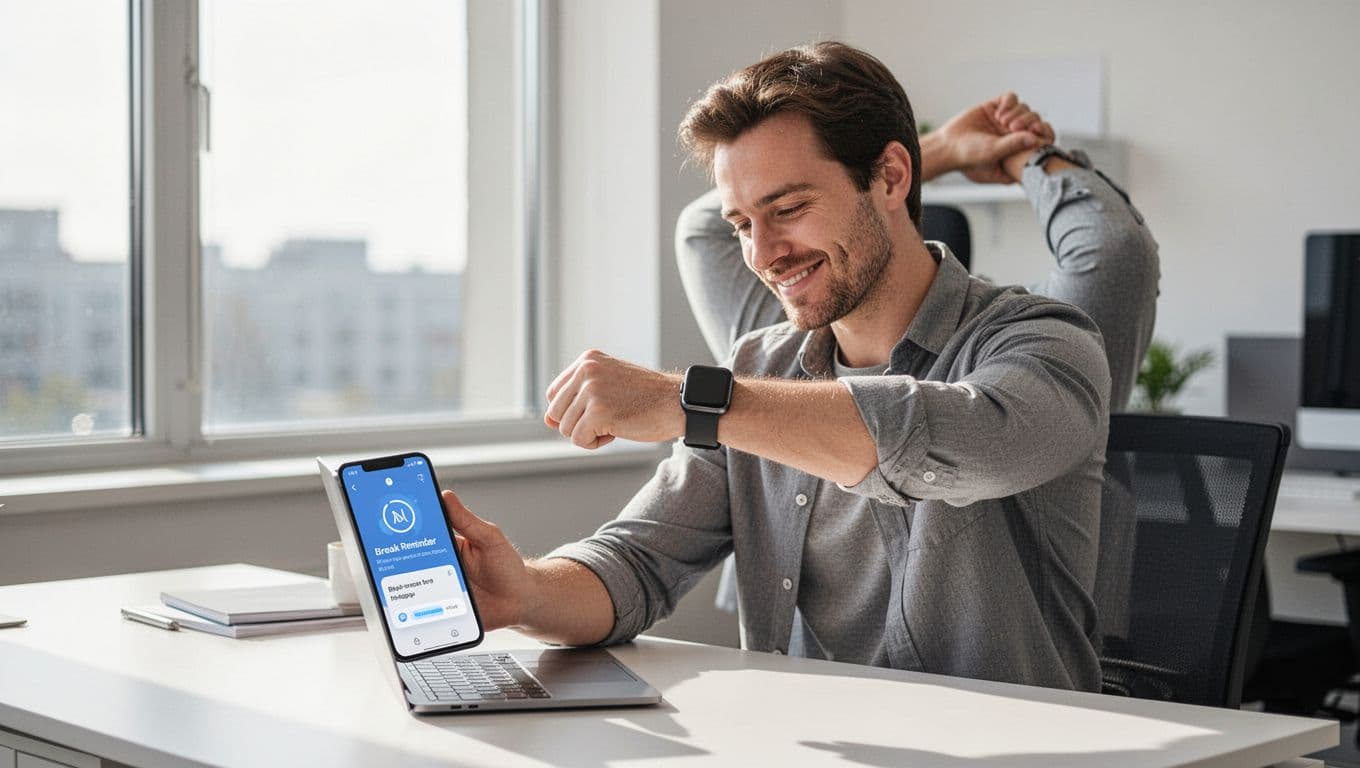
In 2026, companies are moving toward fewer, more connected platforms. That shift makes sense. Employees won't juggle six apps for stress, sleep, activity, and coaching. One central hub usually wins because it asks less. Recent market reviews of employee well-being solutions show that integrated platforms now bundle mental health, habits, dashboards, and rewards in one place.
AI also shows up more often now, but the useful version is boring. It adjusts reminders, suggests break timing, and personalizes content based on work patterns. That's enough. Fancy features mean nothing if adoption stays flat.
The business case, how digital wellbeing helps both employees and employers
This is not soft. It is operational.
When people stay overloaded for too long, work gets sloppier. Attention fragments. Recovery disappears. Eventually, burnout starts looking like a performance issue, even though the system created it.
What employees gain, from less stress to better focus and sleep
Employees feel the change first. Less screen fatigue means fewer headaches and less eye strain. Fewer alerts mean better concentration. Clearer boundaries mean work stops bleeding into dinner, sleep, and weekends.
That matters because burnout is already widespread. In 2026, major workplace surveys report that more than half of U.S. employees feel burnout or high stress, and knowledge workers are hit especially hard. Support does not solve every cause. Still, it lowers the daily load.
Personalization helps here. Some people need help with meeting overload. Others need screen-break prompts, sleep support, or a better home-office setup. One-size-fits-all wellness programs usually miss the mark because work styles differ.
What companies gain, from lower burnout to stronger retention
Employers gain something simple: steadier people. That shows up in lower absenteeism, better engagement, stronger output, and fewer exits tied to exhaustion.

There is also a delivery problem most companies ignore. Scattered wellness emails don't stick. One-off webinars don't either. Central platforms tend to pull higher participation because access is easier and the message stays visible. If you're comparing options, these reviews of employee wellness software and corporate wellness software show how vendors now combine habits, support, and reporting in a single system.
Burnout is expensive. Prevention is cheaper, and usually less dramatic.
ROI exists, but don't oversell it. No honest program promises magic numbers in 30 days. What it can do is reduce predictable waste: attrition, disengagement, and the quiet drag of people running on empty.
How to build a digital wellbeing program that people will actually use
Most failed programs have the same flaw. They were designed for optics, not for use. Too many features. Too much moralizing. Not enough contact with real work.
A good rollout is smaller than most teams expect. That's a strength, not a compromise.
Start with employee needs, not assumptions
First, listen. Use short surveys, manager interviews, and small group sessions. Then break the feedback down by team, role, and work setup. Remote engineers may struggle with tool fatigue. Sales teams may suffer from nonstop chat pressure. Managers may drown in meetings.
Look for a few repeated pain points. Common ones show up fast: always-on expectations, meeting overload, notification chaos, poor recovery time, and weak norms around response speed.
Don't chase everything. Pick two or three problems that hurt the most. If the company tries to fix sleep, posture, stress, focus, hydration, and loneliness all at once, the program turns into wallpaper.
Choose a simple program design and make leaders model it
Next, design around behavior, not slogans. A strong starting package might include meeting-free blocks, default notification guidance, a break tool, ergonomic support, and one mental health resource. That is plenty.
Also, keep access simple. Employees should know where the program lives, how to use it, and why it exists in less than two minutes. Centralized digital wellness platforms for employees can help here because they reduce hunting, logging in, and guessing.
Leadership behavior makes or breaks adoption. If executives praise balance but reward instant replies, the program is dead on arrival. Managers need training, too. They set meeting norms, response norms, and tone. In other words, they control the air people breathe.
Onboarding matters as well. New hires should learn the company's digital norms early, not after they copy bad habits for six months.
Measure what matters and improve over time
Finally, track a short list of useful signals. Participation rates matter. So does employee feedback. Watch burnout indicators, absenteeism trends, engagement scores, and patterns by department. If one team keeps reporting overload, that is not a wellness issue alone. It is a work design issue.
Privacy needs blunt handling. Tell employees what data the company collects, why it collects it, and how it protects it. Keep personal health data separate from performance evaluation. If people feel watched, trust collapses.
The goal is not perfect data. The goal is a better loop: listen, adjust, repeat.
Common mistakes that can hurt a digital wellbeing program
Most programs don't fail because the idea is weak. They fail because the design is sloppy.
Adding more tech without reducing digital overload
This is the central trap. A company sees overload, then answers with three more apps, five more prompts, and a dashboard nobody asked for.
That is not relief. That is clutter with a wellness label.
Strip things down instead. Remove duplicate tools. Cut pointless alerts. Turn off what nobody uses. If the program adds friction, people will avoid it, and they should.
Ignoring trust, privacy, and real-life work culture
The second mistake is pretending culture doesn't matter. It does. A policy on paper means nothing if managers still expect late-night replies. A mindfulness app won't fix a team that lives in permanent urgency.
Privacy can also sink the whole effort. If tracking feels invasive, employees will opt out in spirit even if they stay enrolled. Be clear. Be limited. Be honest about boundaries.
In short, trust is not a side issue. It is the program.
Start Small, Stay Serious
A digital wellbeing program for companies is not about banning screens or acting nostalgic for some quieter past. Work is digital. That's settled. The real job is helping people use technology without letting it use them.
The best programs combine tools, habits, policies, and leadership example. Not one of those pieces. All of them, working together. Start with a few real problems, keep the design simple, and stick with it long enough to learn. A big budget helps, but it isn't the deciding factor. Clear rules and steady follow-through matter more.