

À quoi sert un avantage social que presque personne n'utilise ? C'est le vrai problème des EAP classiques. Sur le papier, ils cochent la case. Dans la pratique, l'usage reste faible, souvent parce que l'accès est lent, le parcours confus, et la confidentialité mal comprise.
Le travail a changé. Les équipes sont hybrides, distantes, dispersées sur plusieurs fuseaux. Les besoins ont changé aussi : un soutien rapide, discret, mobile, et utile pour plus qu'une crise ponctuelle. Burnout, dette, manque de sommeil, charge parentale, isolement, tout se mélange.
Ce guide va droit au but. Il montre les meilleures employee assistance alternatives for modern teams, les cas où elles marchent le mieux, et la bonne façon de choisir sans se laisser distraire par le marketing.
Ce que les programmes d'assistance traditionnels ratent souvent aujourd'hui
Le modèle EAP ancien n'est pas mort. Il est juste trop étroit pour beaucoup d'équipes. Quelques séances, une ligne téléphonique, des horaires limités, puis un renvoi ailleurs. Pour un salarié déjà à bout, c'est trop de friction.
Les données récentes sur le marché américain vont dans le même sens : l'usage annuel des EAP traditionnels tourne souvent entre 3 et 6 %. Ce n'est pas un détail. C'est un signal.
Un bénéfice peu utilisé n'est pas neutre. Il rassure l'employeur, pas l'employé.
En plus, les problèmes ne viennent presque jamais seuls. Une personne peut cumuler anxiété, pression financière, dette étudiante et épuisement lié au caregiving. Un seul canal de soutien ne suffit pas. Comme le montrent les analyses sur les nouveaux modèles de santé mentale au-delà des EAP, le sujet n'est plus seulement clinique. Il est aussi pratique, quotidien, structurel.
La faible utilisation vient souvent d'un problème d'accès et de confiance
La plupart des salariés n'ignorent pas l'aide. Ils évitent la friction. Attendre des jours pour un premier contact, remplir plusieurs formulaires, ne pas savoir ce qui est couvert, tout cela décourage vite.
La confiance pèse tout autant. Si le salarié doute de la confidentialité, il n'ira pas plus loin. Même un doute flou suffit. Résultat, l'aide arrive tard, quand le problème a déjà gonflé.
Les équipes modernes ont besoin d'un soutien qui colle au travail réel
Le bureau standard, de 9 h à 17 h, n'est plus la norme. Beaucoup travaillent tôt, tard, ou entre deux obligations familiales. Un support figé dans les heures de bureau rate ces vies-là.
Les équipes hybrides ont aussi besoin d'outils simples : mobile, vidéo, chat, prise de rendez-vous rapide, et accès depuis n'importe où. Les modèles pensés pour les effectifs hybrides partent de cette réalité. Pas d'une version idéalisée du travail.
Les meilleures alternatives d'assistance aux employés pour les équipes modernes
Il n'existe pas de remplacement parfait. Il existe des options plus adaptées. C'est très différent. Une startup de 80 personnes n'a pas les mêmes besoins qu'un groupe multi-sites de 3 000 salariés. Le bon choix dépend du budget, du niveau de complexité, et des problèmes les plus fréquents dans l'équipe.
Des plateformes comme Modern Health, Lyra Health, Spill ou Sonder montrent la direction prise par le marché. Mais la marque importe moins que le modèle.
Plateformes tout-en-un de santé mentale et de bien-être
C'est l'option la plus proche d'un vrai remplacement d'EAP. Une plateforme unique regroupe thérapie, coaching, contenus guidés, orientation, et reporting RH. Le gain principal est simple : moins d'étapes, donc plus d'usage.
Beaucoup de ces services proposent un accès le jour même ou le lendemain, avec vidéo, audio ou chat. Certains ajoutent un triage intelligent pour orienter la bonne personne vers le bon niveau d'aide. Pas tout le monde n'a besoin d'un thérapeute dès le premier contact. C'est là que ces plateformes font mieux.
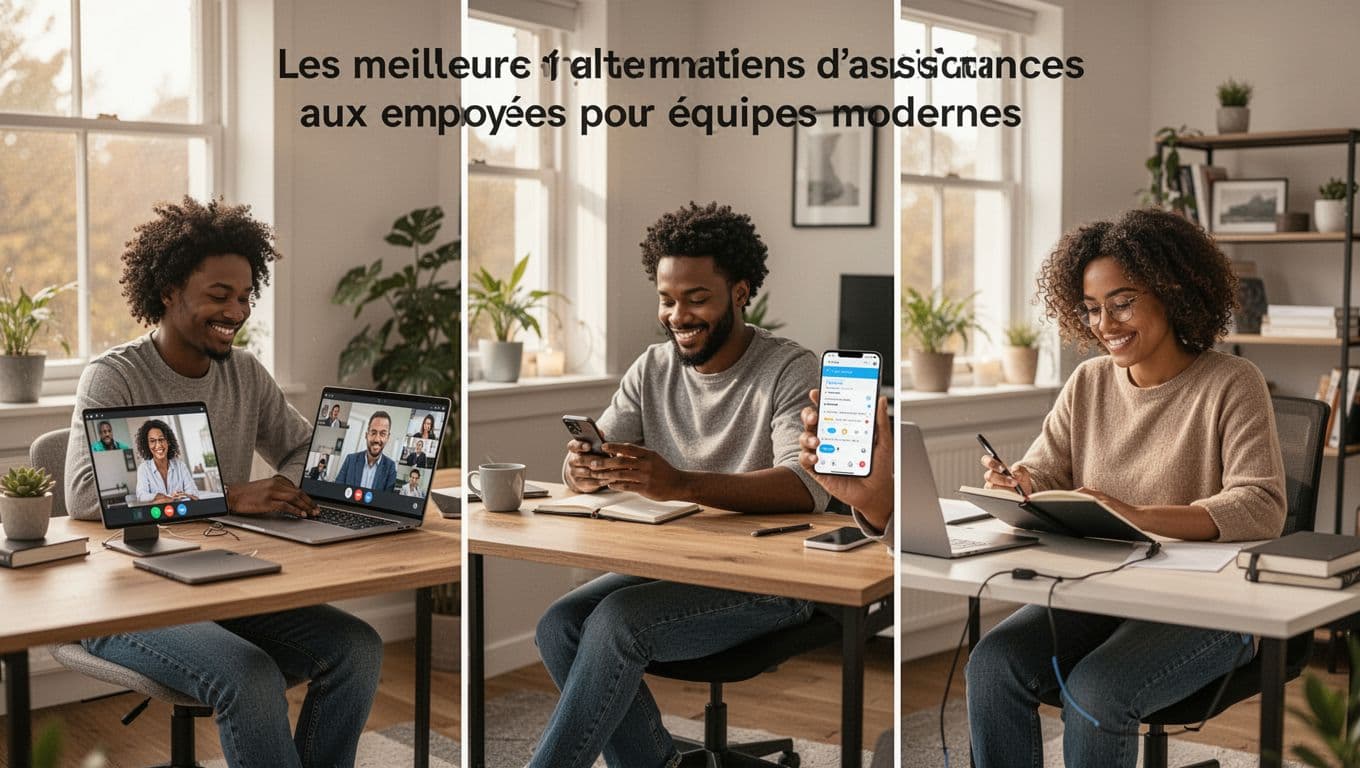
Ce modèle convient surtout aux entreprises de taille moyenne, en croissance, ou déjà réparties à distance. Une vue unique, un accès rapide, une expérience plus claire. Ce panorama des alternatives modernes décrit bien ce virage : moins de hotline, plus de parcours concret.
Coaching, soutien par les pairs et programmes centrés sur les managers
Tout problème n'appelle pas une thérapie. Parfois, il faut un coach bien formé, un groupe guidé, ou un manager qui sait repérer les signaux avant le point de rupture.
Les programmes de coaching bien-être, les groupes animés par des cliniciens, les communautés de pairs, et les ERG peuvent réduire la stigmatisation. Ils rendent l'aide plus normale. Plus proche. Moins solennelle aussi.
Le levier manager compte beaucoup. Un responsable mal formé peut aggraver une situation en voulant "bien faire". À l'inverse, un manager outillé sait écouter, orienter, et poser des limites saines. Ce n'est pas du soin. C'est de la prévention. Et la prévention coûte moins cher que la réparation.
Bienfaits centrés sur les causes réelles, finances, sommeil, caregiving
Le stress naît souvent hors du bureau. C'est la partie que les anciens EAP traitent mal. Or les chiffres récents aux États-Unis montrent que le coût de la vie et l'incertitude économique pèsent lourd sur les salariés. Là encore, la détresse n'est pas abstraite. Elle a des factures, des horaires, des nuits courtes.
C'est pourquoi les entreprises ajoutent des aides plus ciblées : coaching financier, aide aux prêts étudiants, support sommeil, assistance au caregiving, accompagnement juridique léger, ou coaching de mode de vie. Les alternatives les plus utiles à un EAP classique vont souvent dans cette direction, parce qu'elles traitent la source, pas seulement le symptôme.
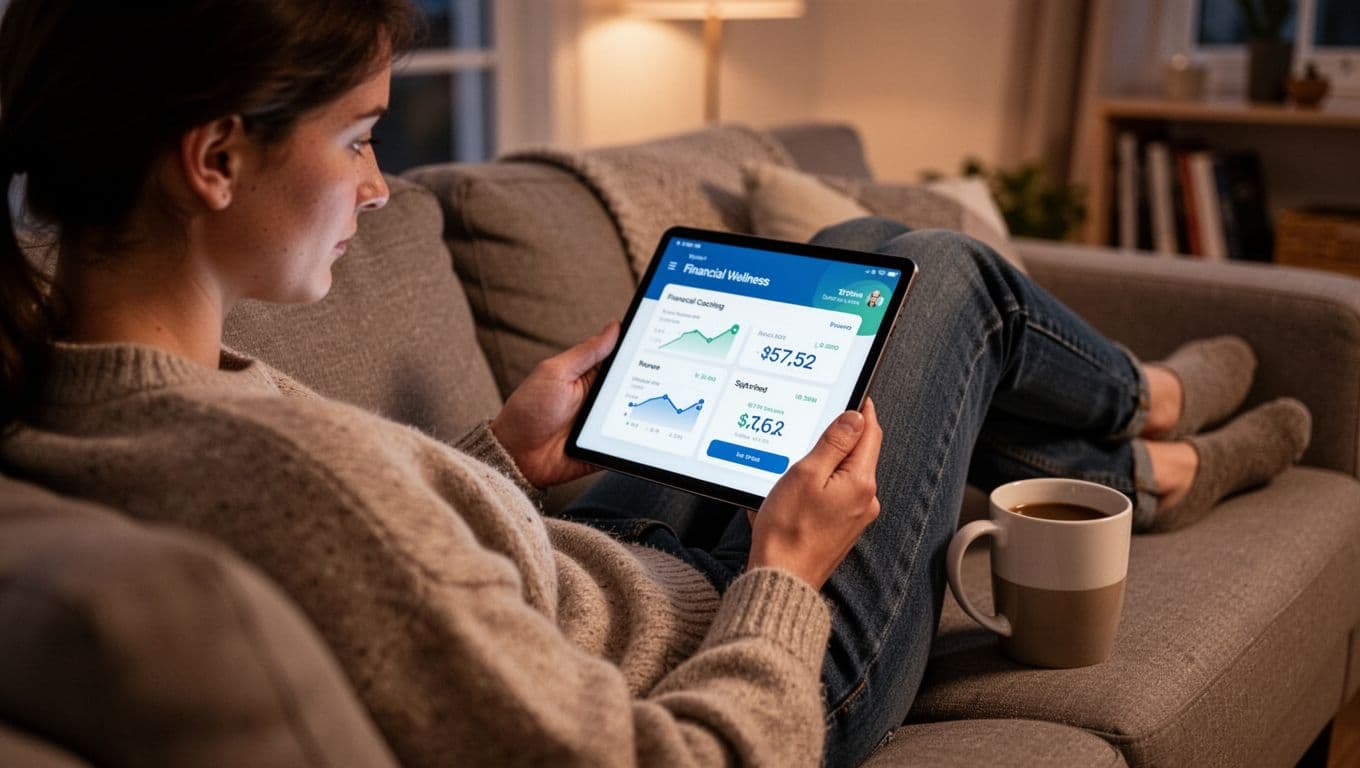
Quand un salarié dort mal parce qu'il s'inquiète pour ses finances, lui offrir trois séances de conseil ne règle pas tout. Le problème n'est pas "mental" au sens étroit. C'est un système sous pression.
Comment choisir le bon modèle de soutien pour votre équipe
Le bon réflexe n'est pas de demander ce qui est à la mode. Il faut demander ce qui manque aujourd'hui. Remplacement complet de l'EAP, ou couche additionnelle pour combler les trous ? Les deux approches se défendent.

Commencez par les problèmes que vos salariés vivent vraiment
Regardez les signaux simples : turnover, absentéisme, congés stress, feedback d'enquête, plaintes sur la charge, solitude chez les télétravailleurs, pression financière. Si vous avez des données de claims, utilisez-les. Sinon, ne bloquez pas. Les signaux faibles suffisent pour voir la tendance.
Une équipe jeune, bien payée, mais endettée n'a pas les mêmes besoins qu'une équipe parentale, distribuée, et épuisée par les horaires. Le modèle de soutien doit suivre cette carte réelle, pas un package standard.
Comparez les prestataires sur l'accès, le choix et les résultats
Avant de signer, regardez les points qui comptent vraiment. Ce tableau sert de filtre rapide.
| Critère | Ce qu'il faut vérifier | Pourquoi ça compte |
|---|---|---|
| Accès | 24 h sur 24, délai du premier rendez-vous, mobile | L'aide tardive perd vite sa valeur |
| Choix de soin | Thérapie, coaching, groupe, chat, vidéo | Un seul format ne convient pas à tous |
| Portée | Multilingue, fuseaux horaires, remote-friendly | Les équipes dispersées ont besoin de souplesse |
| Confiance | Confidentialité expliquée simplement | Sans confiance, l'usage chute |
| Mesure | Taux d'activation, usage, satisfaction, délai | Un bénéfice opaque reste un pari |
| Prix | Par tête, à l'usage, mensuel flexible | Le coût doit suivre la réalité d'usage |
Le meilleur fournisseur n'est pas celui qui promet le plus. C'est celui qui réduit la friction. Ce guide de sélection des providers alternatifs insiste sur ce point, et il a raison. Si l'inscription prend trop de temps, l'outil est déjà en train d'échouer.
À quoi ressemble une meilleure stratégie de soutien en 2026
En 2026, la logique change. On ne parle plus seulement de "santé mentale" au sens étroit. On parle de prévention, de personnalisation, et de soutien global. C'est plus utile, mais aussi plus honnête.
Le bon système ne se contente pas d'attendre la crise. Il propose plusieurs portes d'entrée. Thérapie, oui. Coaching, aussi. Aide financière, parfois. Soutien aux managers, souvent. Le salarié n'a pas à traduire seul son problème dans la bonne catégorie.
Le but n'est pas de remplacer un vieil EAP par une app brillante. Ça, c'est du décor. Le but est de construire un système que les gens utilisent vraiment, parce qu'il est simple, rapide, crédible, et adapté à la façon dont ils travaillent maintenant.
Conclusion
Les équipes modernes ont besoin de plus que ce que beaucoup d'EAP traditionnels offrent encore : plus rapide, plus large, plus souple. Les meilleures employee assistance alternatives for modern teams peuvent prendre plusieurs formes, plateforme tout-en-un, coaching, soutien par les pairs, ou bénéfices centrés sur les causes réelles du stress.
Pour un DRH ou un fondateur, la règle est simple : choisissez un soutien que vos salariés comprendront et utiliseront sans effort inutile. La meilleure stratégie n'est pas la plus tendance. C'est celle qui colle au travail réel, à la vie réelle, et aux problèmes réels.