

Panic symptoms feel like your body hit the wrong button. Heart racing. Chest tight. Hands tingling. Your brain shouting, "Fix this. Now." It's scary, but it's also common, and it's treatable.
Here's the part most people miss: panic often hijacks breathing first. You start breathing fast and shallow, mostly in the chest. That can push symptoms higher, like dizziness, numb lips, and that "can't get a full breath" feeling.
Guided breathing for panic symptoms is not magic. It won't erase every trigger, and it won't solve panic disorder by itself. What it can do is slow the feedback loop in the moment, especially if you practice when you're calm. Think of it like a basic reset for your nervous system. Simple. Repeatable. Useful.
For a clear overview of panic symptoms and how they can present, see Cleveland Clinic's guide to panic attacks.
Why breathing helps panic symptoms (and why it sometimes feels worse at first)
Panic runs on a loop. Sensation becomes threat. Threat becomes more sensation. Breathing sits right in the middle.
When fear spikes, your body dumps adrenaline. Your breathing speeds up. You may start over-breathing (taking in more air than your body needs in that moment). That can change how you feel fast: lightheaded, tight, tingly, floaty, unreal. Then your brain labels those sensations as danger, so you breathe even faster. Loop closed.
The goal is not "big breaths." Big breaths can make over-breathing worse. The goal is slower, gentler breaths with a longer exhale. Longer exhales nudge the body toward "stand down" mode.
Also, don't be surprised if the first few breaths feel strange. Panic trains you to chase air. When you stop chasing, your body may protest. That doesn't mean you're doing it wrong. It means you're changing the pattern. Go slower. Go smaller.
The panic breathing cycle in 60 seconds
Here's the chain, plain and ugly:
Trigger hits.
Adrenaline surges.
Breathing speeds up.
Symptoms intensify.
Fear rises.
Breathing speeds up again.
Common symptoms in that loop include shortness of breath, numb lips or fingers, shaky legs, sweating, a pounding heart, and feeling unreal (like you're watching yourself from far away). Your body reads the moment as danger, even if your life is fine.
Breathing won't "argue" with your mind. It changes the inputs. That's why it helps.
If you can't think clearly during panic, that's normal. Use a script. Don't negotiate with a flood.
Common mistakes: trying to "fill your lungs" or forcing calm
These backfire a lot:
- Gulping air: Take smaller sips of air instead, through the nose if you can.
- Breathing too deep: Keep it low and quiet, like you're trying not to be noticed.
- Holding your breath too long: Use shorter or optional holds, or skip them.
- Counting too fast: Slow the count down, or count on the exhale only.
- Tensing shoulders and jaw: Drop shoulders, unclench teeth, let the tongue rest.
Most fixes are not "more effort." They're less. Less air. Less force. Less drama.
For additional context on how breathing exercises can support panic moments, read Verywell Health's overview of breathing exercises for panic.
A step by step guided breathing routine for the middle of a panic spike
Use this like a short operating manual. Not inspirational. Not mystical. Just directions.
Plan for 2 to 5 minutes. If you stop early, fine. If you need longer, also fine. The win is changing the trend line, not hitting perfect numbers.
Before you start: find a safer body position in seconds
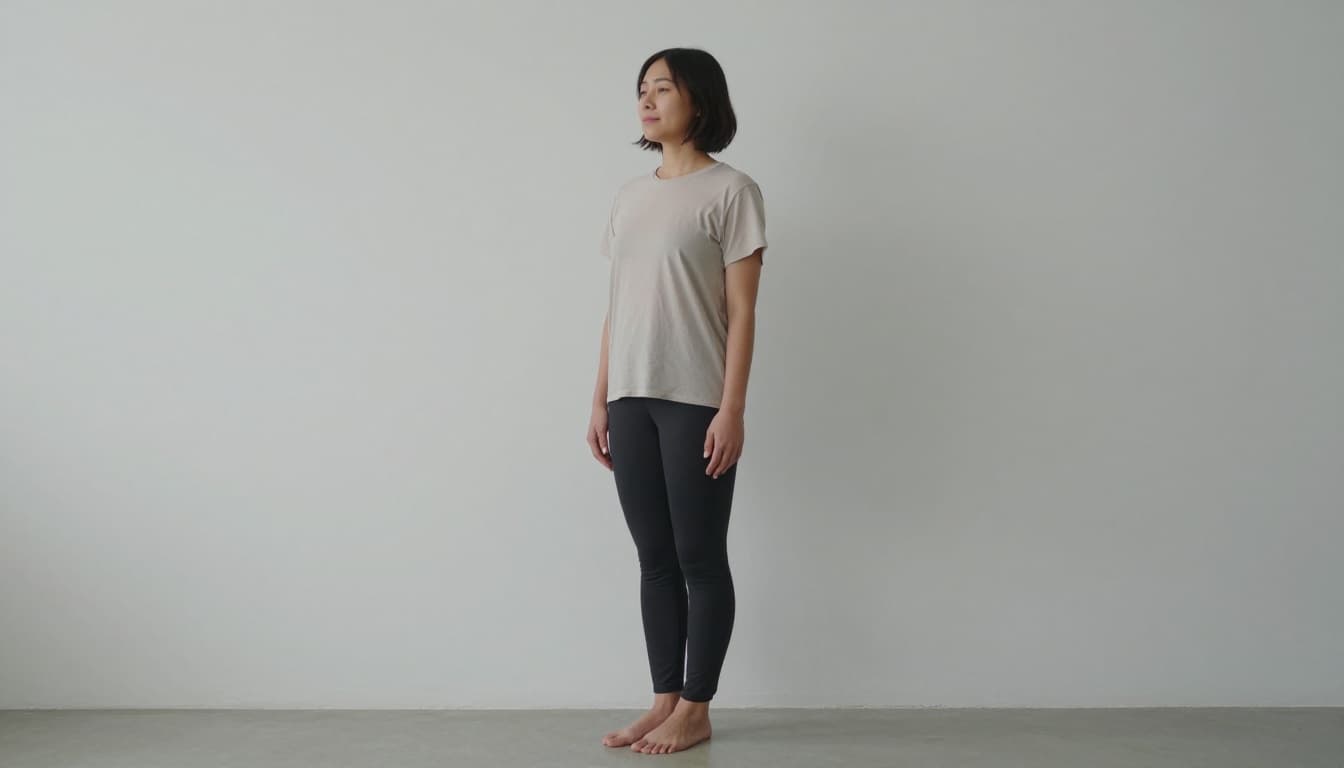
Pick a position that feels stable. Stability matters because panic is partly a balance problem.
- Sit with feet flat, hands on thighs.
- Lean slightly forward, forearms on thighs, neck relaxed.
- Stand with your back against a wall, knees soft.
Lying down helps some people. For others, it raises the "I'm trapped" feeling. Choose what feels safest today, not what sounds correct.
Now do three quick releases: drop shoulders, loosen jaw, soften belly. Don't "suck in" your stomach. Let it be normal.
The 3 minute reset: 4 in, 6 out, gentle and steady
This is the core pattern. Longer exhale, smaller inhale.
First, set the rules:
- Inhale through the nose if possible. If your nose is blocked, inhale through pursed lips.
- Exhale slowly like you're cooling soup.
- Keep breaths low and quiet. Chest can move a little, but belly does most of it.
Now the script. Read it once, then do it.
- Inhale for 4. Keep it soft.
- Exhale for 6. Make it smooth.
- Repeat for 10 to 12 rounds.
While you exhale, add one simple cue in your head: "safe" or "soften." Same word every time. No pep talk.
If 4 and 6 feels hard, scale down. That's not failure. It's calibration.
- Try 3 in, 5 out.
- Or even 2 in, 4 out.
What matters is the shape: exhale longer than inhale, and everything gentle.
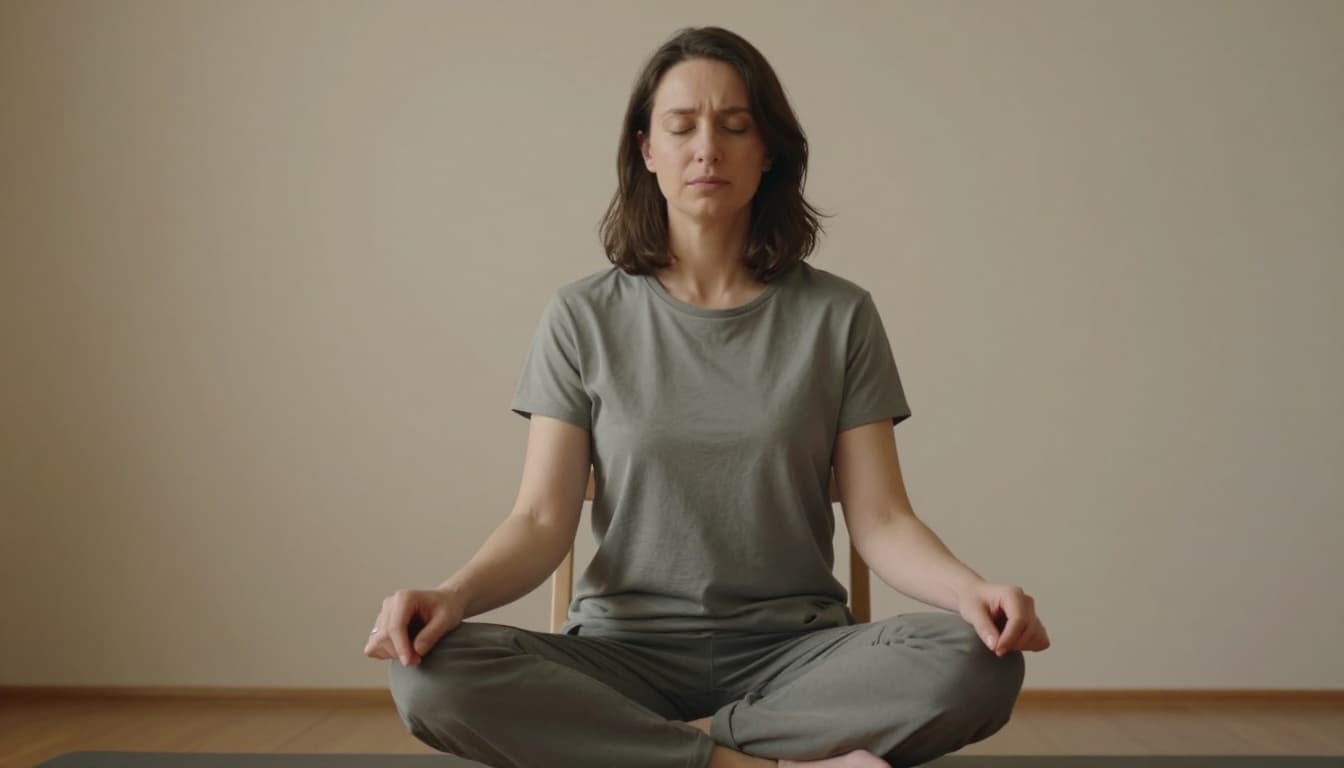
If your mind keeps scanning your body for danger, that's expected. Don't wrestle it. Keep counting, keep exhaling longer. Your job is repetition.
If you feel dizzy: switch to "small breaths" and longer exhales
Dizziness during panic often comes from over-breathing. So don't fix it with bigger breaths. Fix it with less.
Use this mini-protocol for 60 to 90 seconds:
- Inhale lightly for 2. Barely there.
- Exhale for 6 to 8, slow and thin.
- Pause 1 second after the exhale if it feels comfortable.
Keep the inhale quiet. Let the exhale do the work. If you can, breathe "lower," where your hand would rise on your belly. If you catch yourself forcing a deep inhale, back off immediately.
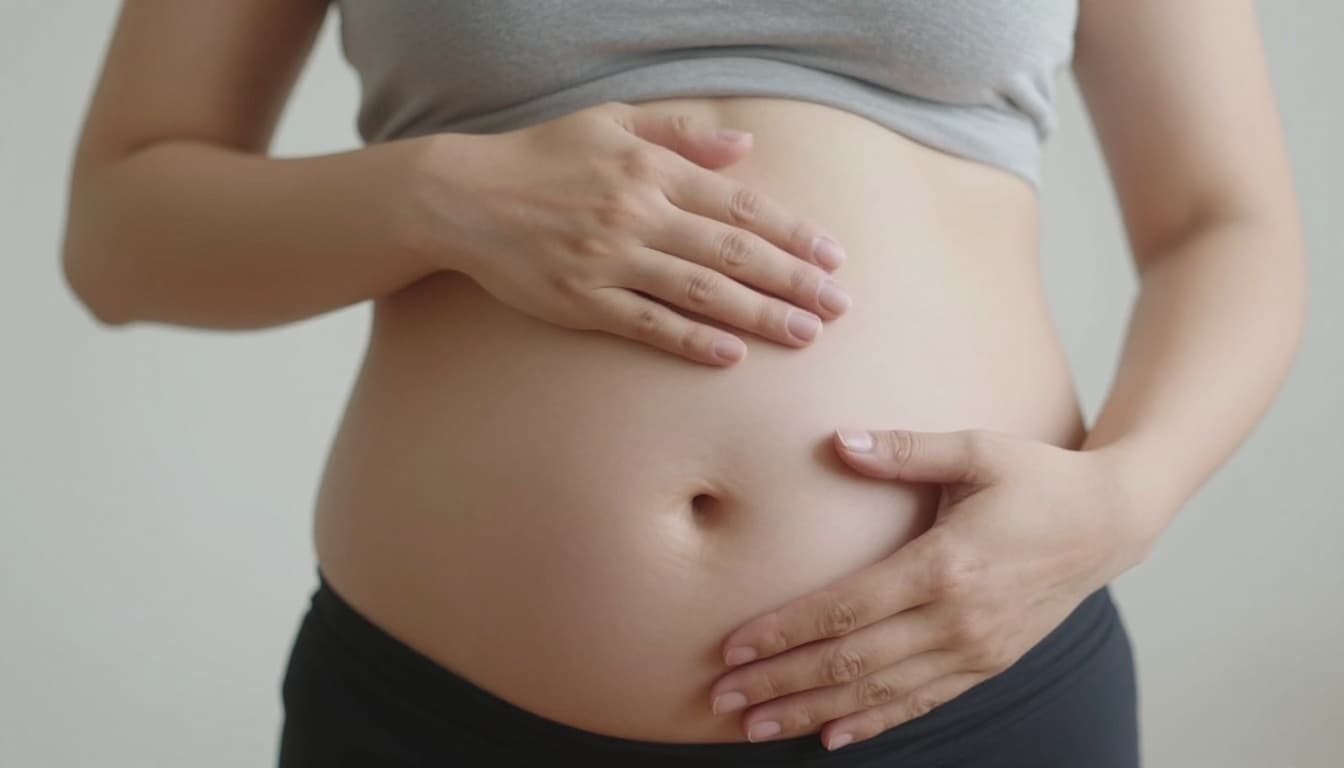
The sensation you're chasing, "a full breath," can be a trap during panic. Instead, aim for "a calm exhale." Air hunger fades when the system slows.
Pick the breathing style that fits your body and your moment
Not every technique fits every panic spike. Some people hate counting. Others need it. Some get spooked by breath holds. Others like the structure.
So pick one method for one job. Then run it for a short, honest trial, about 2 to 4 minutes. If it ramps you up, switch to a simpler pattern with no holds and a longer exhale.
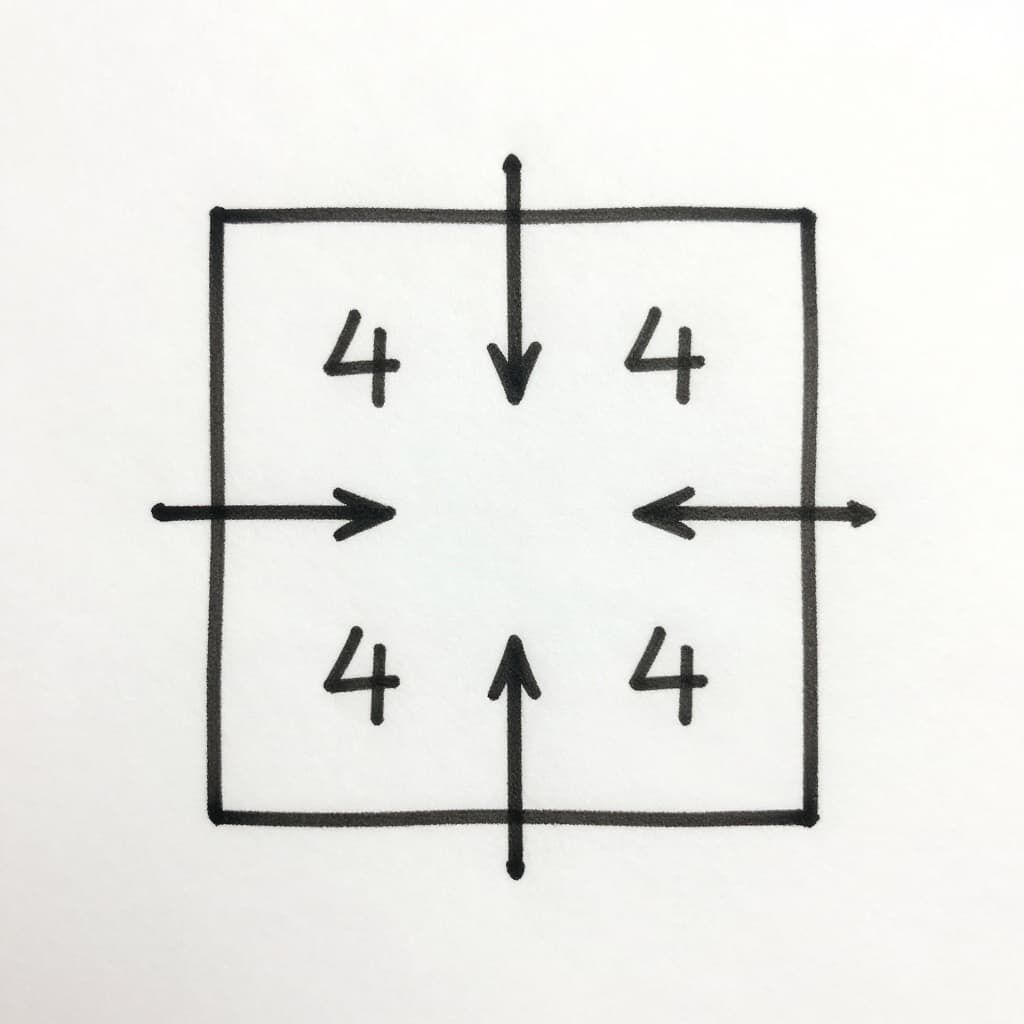
Box breathing for racing thoughts (4, 4, 4, 4)
Box breathing is structured. That's why it can help when your mind is sprinting.
Basic pattern:
- Inhale 4
- Hold 4
- Exhale 4
- Hold 4
- Repeat
The caution is simple: breath holds can trigger panic for some people, especially if you already feel short of breath. If that's you, don't force it. Reduce the holds to 1 or 2 counts, or skip them.
Hold-free version:
- Inhale 4
- Exhale 4
- Repeat for 1 to 3 minutes
Here's a clear clinical-style explainer to compare approaches: a psychiatrist's guide to box breathing.
4 7 8 breathing, when you want a stronger "slow down" signal
This one is popular for a reason. The long exhale can feel like a brake pedal.
Traditional steps:
- Inhale 4
- Hold 7
- Exhale 8
- Repeat
During panic, the "7 hold" can be too much. So modify it. You're allowed.
Try:
- Inhale 4
- Skip the hold (or hold 1 to 2)
- Exhale 6 to 8
Do just 3 to 4 rounds in a panic spike. This is not a marathon. Too many rounds can make you focus on symptoms and spiral again.
For a straightforward walkthrough, see Cleveland Clinic's 4-7-8 breathing instructions.
Paced breathing with a timer or app (simple, low effort)
When you're fried, you might not want to count. External pacing helps.
Set a basic timer or metronome. Aim for 5 to 6 breaths per minute to start. One simple setup is inhale 4, exhale 6. If that feels tight, drop to inhale 3, exhale 5.
Keep the tool quiet. Minimal sound. Minimal stimulation. Panic doesn't need more inputs.
Also, don't stare at a flashing screen if that amps you up. You can close your eyes and follow the sound, or even tap your finger once per count.
Make guided breathing work better over time (and know when to get extra help)
Breathing works best when it's not your first time. Panic is not a good classroom. Train the pattern when you're okay, so it shows up when you're not.
Also, be honest about what breathing can and can't do. It can reduce symptoms. It can slow escalation. It can help you stay in the situation long enough for the wave to pass. Still, it won't fix every cause of panic. If panic runs your schedule, get more support.
Quick safety note: if you have new chest pain, you faint, or you have severe trouble breathing, get medical care right away. Don't self-diagnose through a breathing blog post.
A simple practice plan so it is there when you need it
Make practice boring. That's the point.
For one week:
- Do 2 minutes once or twice a day.
- Use the same pattern each time (start with 4 in, 6 out).
- Pair it with a habit, like after brushing your teeth.
After that week, use it during mild stress. Not peak panic. Mild stress is where skills stick.
To make it easier in the moment, put your pattern on a note card or your phone lock screen: "In 4, out 6. Ten rounds."
When breathing is not enough: signs you should talk to a professional
If panic keeps showing up, treat it like a real health issue. Because it is.
A few signs it's time:
- Panic attacks happen often, or feel "out of nowhere."
- Sleep is wrecked because you fear another attack.
- You avoid driving, stores, crowds, or being alone.
- Alcohol or substances become your main coping plan.
- You live in constant fear of symptoms.
Start practical. A primary care visit can rule out medical issues. Then consider therapy, especially CBT and exposure-based work, which targets the fear of sensations. For a clear, non-hyped overview of panic disorder and treatment, read NIMH's guide to panic disorder.
If you're in immediate danger or thinking about harming yourself, call your local emergency number right now. Breathing is support, not emergency care.
Conclusion
Panic is loud, but it's not all-powerful. Breathing is one of the few controls you can grab in real time. Not by taking huge breaths, but by making them gentle, smaller, and slower, with a longer exhale.
Keep it simple. Pick one method you'll actually use. Practice it briefly each day so it's familiar under stress.
Save the 3-minute reset: inhale 4, exhale 6, ten rounds. Next time panic symptoms rise, run that script before you do anything else. You're not trying to feel perfect. You're trying to change the direction of the wave.