

A wellbeing program without communication is a locked first-aid kit. The support may exist, but people still walk past it.
That's why a strong internal comms plan for wellbeing initiatives matters. Employees need to know what's available, why it matters, and what to do next. If any of those pieces are fuzzy, usage drops, trust slips, and the program turns into optics.
In 2026, the bar is higher. People expect relevant messages, two-way feedback, and proof that wellbeing is part of culture, not a seasonal campaign. They also connect it to whether they stay, perform, and speak up. So the plan has to do one job well: get attention, build trust, and move people to action.
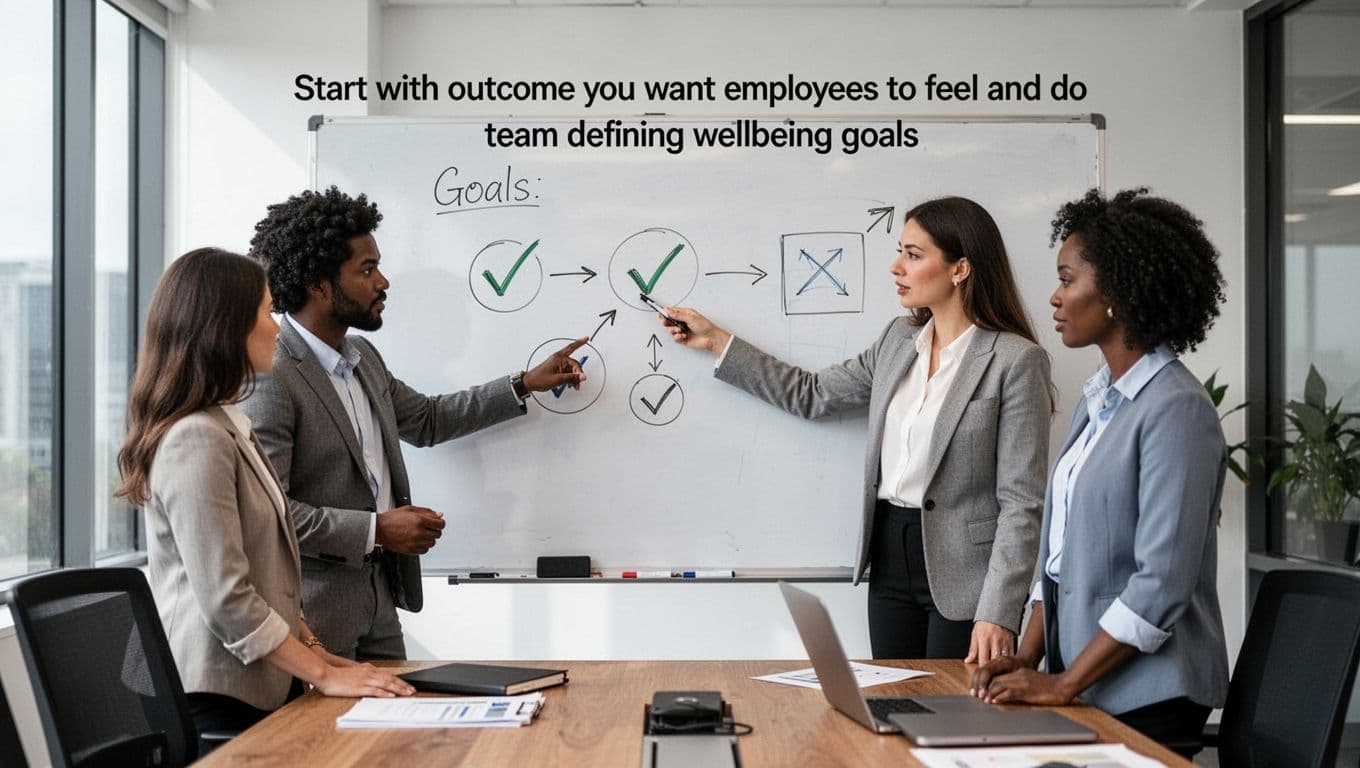
Start with the outcome you want employees to feel and do
Most teams start with channels. Email. Intranet. Posters. That's backwards.
Start with the result. What should employees feel after they see the message? Clearer. Safer. Less alone. Then define the action. Sign up for counseling. Join a financial wellbeing session. Book time off. Use a manager guide. Try the stress support app. One message, one action. That's the rule.
The business case is not soft. Recent 2026 reporting shows nearly half of US employees feel high stress daily, and about one in four has thought about quitting due to mental health strain. So wellbeing communication is not a nice add-on. It's part of retention, performance, and risk control. A broader internal communication strategy guide can help you lock in ownership, timing, and success measures before you launch.
Set simple goals that link wellbeing to business results
Pick a few goals. Not twelve. Most plans need four: awareness, participation, repeat use, and trust.
Awareness means people know the support exists. Participation means they try it. Repeat use shows the offer has value. Trust means they believe the company means it, and they feel safe enough to engage. Those four signals beat vanity every time.
Tie each goal to a business result. For example, low awareness may explain poor benefits use. Low trust may show up in burnout risk, sick days, or avoidable turnover. Keep the line short and clear.
Know who the message is for before you write it
"Employees" is not an audience. It's a bucket.
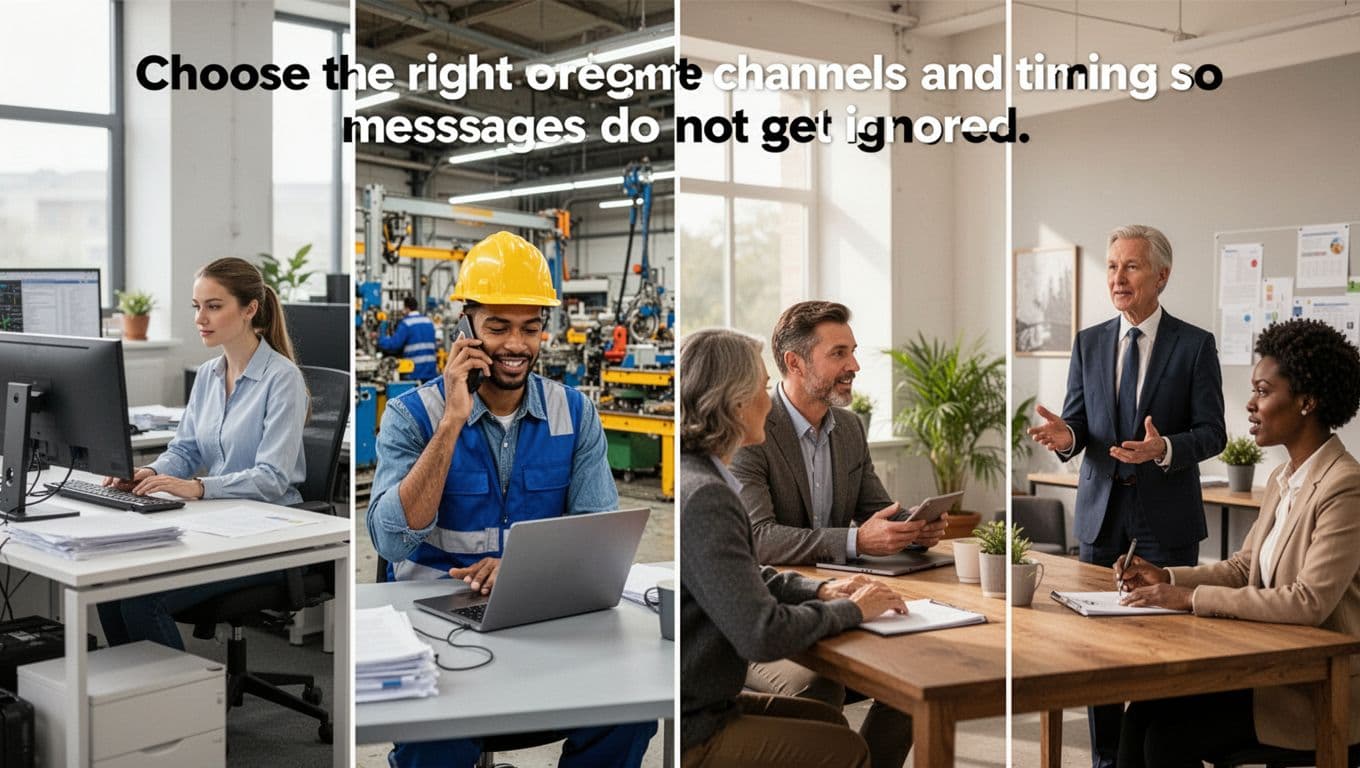
Desk-based staff may respond to email and chat. Frontline teams may need mobile alerts, break-room screens, and supervisor huddles. Managers need talking points, not posters. New hires need onboarding prompts. Remote staff need easy links and time-zone-aware reminders.
Different groups also need different examples. A parent under childcare strain reads a message differently than a warehouse lead on rotating shifts. Segment the audience before you write a line. If you don't, the message sounds generic, and generic gets ignored.
Build messages that feel personal, clear, and safe to act on
Wellbeing messages fail when they sound like policy copy. Too formal. Too vague. Too careful. People skim them and move on.
Use plain language. Keep the subject line clean. State the offer fast. Then explain the benefit in human terms. Not "enhanced support pathways." Say "free counseling sessions" or "help with debt, budgeting, and savings." If the next step takes effort to decode, you've added friction.
That friction matters because trust is thin. In 2026, many companies use personalized messaging, but there's a line between relevance and creepiness. AI can help with timing, channel choice, and topic fit. It should not sound like the company is watching moods in real time. Personal is good. Intrusive is poison. For a smart outside view, see this piece on strategic internal communications for wellbeing.
Answer the questions employees always have
Every wellbeing message should answer five things, fast. What is this? Why now? How does it help me? Is it private? What should I do next?
Leave out one of those, and doubt rushes in. Mental health messages need extra care because employees often assume the worst. Will my manager know? Will HR track this? Will it affect promotion? Say what is confidential, what isn't, and who can see usage data. Don't bury that in fine print.
If a message asks for courage, it must also offer safety.

Use real human voices to make wellbeing communication believable
Polished corporate language is the enemy here. Employees trust signals, not slogans.
Use leader notes when they add context. Use manager talking points when teams need local support. Use employee stories when they feel voluntary and specific. A 45-second video from a respected team lead can beat a perfect poster because it sounds lived-in, not staged.
Keep the tone steady. Calm. Direct. No preaching. No forced optimism. Recent reporting shows only 23% of workers feel safe discussing mental health with managers. That gap should shape your message. Speak like someone who understands reluctance. Because that reluctance is real.
Choose the right channels and timing so messages do not get ignored
Channel choice is not about preference. It's about work conditions.
If people can't sit at a laptop, email is weak. If they live in chat all day, the intranet may be invisible. If managers control shift handoffs, they are a channel whether you like it or not. This is why one big launch rarely works. A wellbeing message needs a route, not a blast.
A useful plan respects attention. Some teams call this cognitive respect. Simple idea. Don't spray messages everywhere and hope. Put the right message in the place people already trust, then repeat it with purpose.
This quick map keeps channel choices honest:
| Employee group | Best-fit channels | Why it works |
|---|---|---|
| Hybrid or office-based staff | Email, chat, intranet | Easy links and low-friction sign-up |
| Frontline teams | Mobile app, team huddles, digital signage | Reaches people away from desks |
| Managers | Direct briefings, talking points, team meetings | Helps them translate and reinforce |
The takeaway is blunt: one channel is rarely enough, and the mix should follow the job.
Match each channel to the employee group you need to reach
A good channel plan looks more like a relay than a megaphone. Email might carry the launch. Chat can carry reminders. Managers can explain why the offer matters this month. Mobile alerts can catch shift-based teams at the right time. Digital signage can reinforce awareness, but it should never carry the full burden.
Workplace setup also changes timing. Remote staff may need calendar-friendly prompts. Field teams may need early-morning nudges. New hires need onboarding placement, not a random message three months later. This sample internal health support comms strategy shows how channel planning becomes more practical when tied to real work patterns.
Plan a message cadence that supports action, not overload
One announcement is not a campaign. It's a memo.
Use a phased rhythm. Pre-launch builds awareness. Launch gives the core message and action. Nudges follow with one reason to care. Event reminders drive attendance. A recap shows what happened and where support still lives. Same offer, different jobs.
Spacing matters. Too close, and it feels like spam. Too far apart, and people forget. Most teams do well with a short burst at launch, then lighter reinforcement for four to six weeks. Keep each touchpoint useful. If it doesn't add clarity or reduce friction, cut it.
Measure what is working and improve the plan as you go
A wellbeing comms plan is not a poster set. It's a system. Systems need feedback.
Start with reach and response. Open rates, click rates, event attendance, and sign-ups are useful. Still, they only tell part of the story. A message can get clicks and still fail if employees don't trust the program or don't return. Recent guidance on effective internal communication for wellbeing makes the same point: communication works when it changes experience, not when it only creates noise.
Track signals that show real behavior change
Look for actions that show use, not curiosity. Benefit claims. Session attendance. Repeat participation. Manager check-ins. Resource downloads that lead to bookings. Those are stronger signals.
Also compare behavior by audience. If office staff join but frontline staff don't, that's not a weak program. It's often a weak route to access. If people attend once and never return, the issue may sit in the service, the message, or both. Treat the data like a diagnostic tool.
Use quick feedback loops to keep the plan relevant
Numbers alone can lie. So add short feedback loops.
Use pulse polls with one or two questions. Ask managers what employees are saying. Watch qualitative comments for friction points, confusion, or fear. Then adjust fast. This isn't overengineering. It's maintenance.
Be careful with data, especially if personalization is in play. Aggregate where possible. Protect privacy. Explain what you collect and why. A wellbeing message that feels invasive defeats itself.
A good plan does not chase applause. It removes friction, builds trust, and helps people act. That's the standard.
Good wellbeing support often fails for a simple reason: people can't see it clearly enough to use it. The fix is not more noise. It's better design. Clear goals, audience-fit messaging, smart channel choices, and steady measurement.
If employees can quickly find support, trust the message, and know the next step, the initiative has a real shot at helping people.
Start there. Then keep refining until the plan feels less like a campaign, and more like part of how work gets done.