

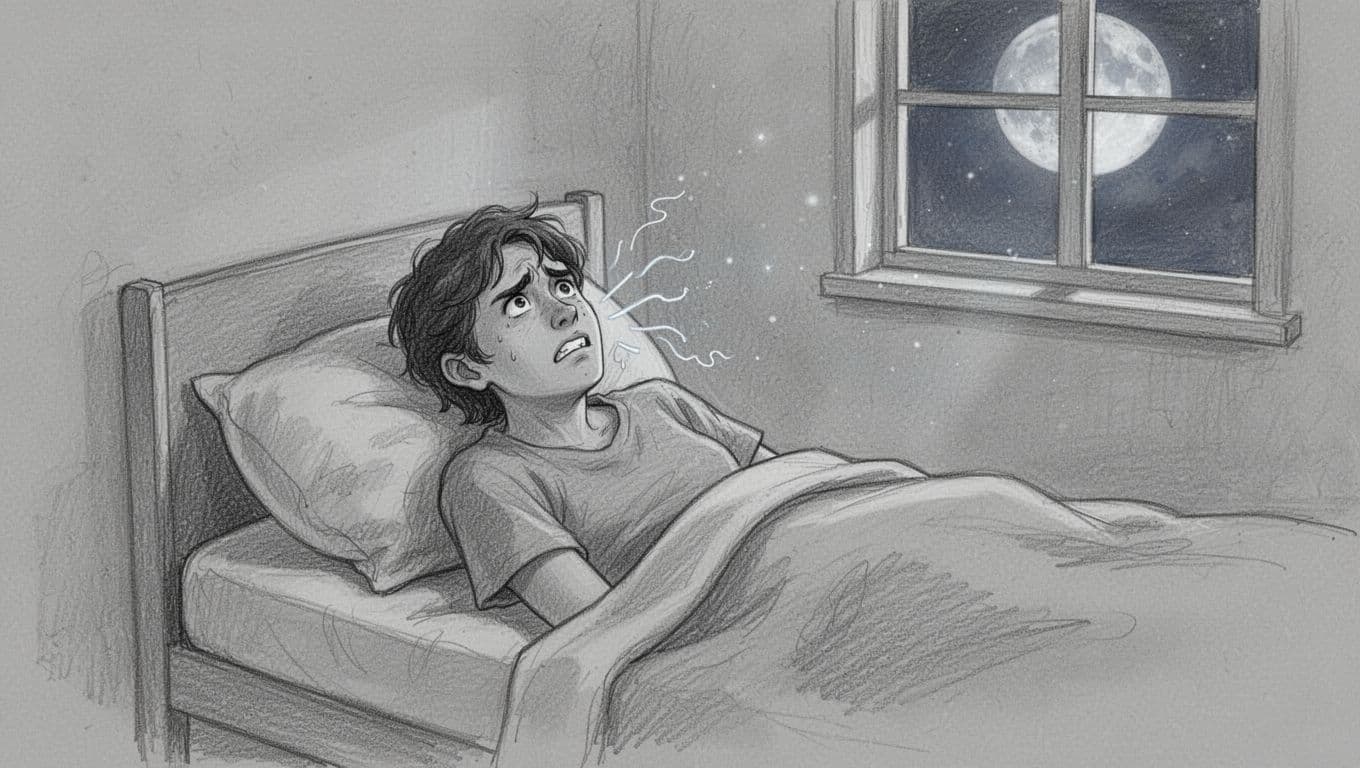
You collapse into bed, body drained from the day, yet sleep dodges you. Thoughts race like a hamster wheel; your chest feels tight, heart thumping too fast. You're exhausted, but rest feels miles away.
That's insomnia talking, often fueled by an overactive nervous system trapped in stress mode. Daily pressures keep your fight-or-flight response firing, blocking the calm needed for deep sleep. Your body stays alert, scanning for threats that aren't there.
Breathing changes that. Simple patterns signal safety, shifting you to rest-and-digest mode for quicker sleep onset. Science-backed techniques, like longer exhales, lower heart rate and quiet the mind without pills or complex routines.
Apps like Pausa make it effortless. Born from real panic attacks, it offers guided breaths tailored to your mood, a 10-day journey to build habits, and screen locks that prompt pauses before endless scrolling. Download the Pausa App today; it's on iOS and Android, providing companionship for stress, anxiety, and sleepless nights.
Ready to breathe your way to better sleep? Next, we'll break down why your nervous system rebels and the exact techniques that reset it fast.
How Your Nervous System Traps You in Insomnia
Your nervous system runs on a simple switch. It flips to alert mode during busy days, then struggles to turn off at night. Stress from deadlines and notifications keeps it revved, trapping you in a cycle where exhaustion meets wakefulness. Breathing offers a direct reset, but first recognize the trap.
Signs Your Nervous System Is the Insomnia Culprit
Busy schedules leave marks on your body. You notice tension building in your jaw and shoulders by evening, a constant clench from grinding through tasks. Shallow breaths come next; your chest rises fast and high, but lungs stay half full because your system stays primed for action.
Worry loops follow close behind. Thoughts replay conversations or tomorrow's to-do list, pulling you from rest even as eyes grow heavy. Then you wake up wired at 3 a.m., heart racing without reason, body scanning for problems long past. These signs stem from days packed with pressure, yet they signal your nervous system holds the real block to sleep.
Why Evening Wind-Downs Don't Always Work
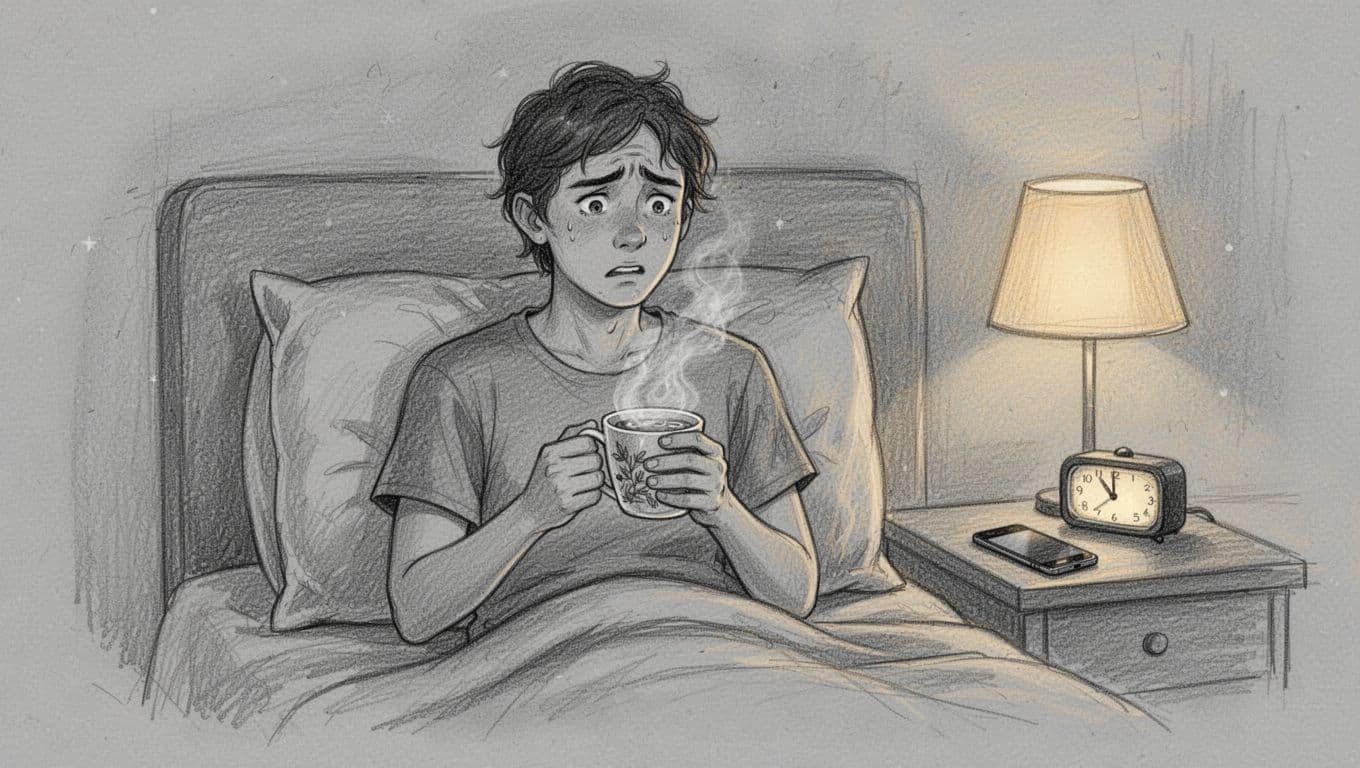
You sip chamomile tea or skip screens an hour before bed, hoping for calm. Caffeine fades, lights dim, but deep arousal lingers because surface fixes miss the root. Your nervous system stays on high alert from earlier habits, ignoring those gentle cues.
Screens play a big role too. Blue light and quick scrolls spike cortisol, keeping fight-or-flight active long after you set the phone down. Tea warms your hands; it soothes the mind briefly. However, neither quiets the wired hum built up over hours.
Pausa changes that with its screen-time feature. It blocks distracting apps after set limits, then asks for a quick breath to unlock them. This builds better habits, trains your system to downshift, and cuts the cycle at its source. Download the Pausa App for guided resets that reach deeper.
For more on breathing exercises for anxiety relief, check practical techniques that target these same patterns.
Breathing Activates Your Body's Natural Sleep Switch
Your body has a built-in system to flip from stress to sleep. Breathing taps that switch directly. Slow, steady breaths send signals that quiet racing thoughts and ease tension. As a result, you drift off faster and stay asleep longer. Pausa guides you through these patterns with audio cues, so you don't guess what works. Young professionals facing late nights from work pressure find real relief here.
The Vagus Nerve: Your Secret Weapon Against Sleepless Nights
Think of your vagus nerve as the body's built-in chill button. It runs from your brain to your gut, calming everything in between. Shallow, fast breaths keep it quiet, so stress lingers and sleep suffers. Deep, slow breaths wake it up instead. They strengthen its tone, boosting calm signals that lower heart rate and relax muscles.
You feel this shift quickly. Longer exhales, for example, activate the nerve right away. Your body reads them as "all clear," dialing down alert mode. Studies show this leads to fewer wake-ups at night. People report deeper rest because their system stays in recovery gear.
Pausa makes it simple with techniques like 4-7-8 breathing, perfect for bedtime. Inhale for four counts, hold seven, exhale eight. This tones the nerve fast, cutting insomnia cycles. No apps overload you; just pick your mood in the tracker, and get a custom guide.
Start tonight. Download the Pausa App for guided sessions that build this habit. Your streaks track progress, turning quick fixes into lasting sleep gains.
Try These 3 Breathing Exercises to Sleep Soundly Tonight
Your nervous system craves these patterns at bedtime. They slow your heart rate and ease muscle tension fast. Pick one from Pausa's guided sessions, or follow the steps below. Each takes under five minutes, so you slip into sleep without effort. Young professionals swear by them after long days.
4-7-8 Breathing for Quick Calm
This technique tires your brain gently, like a lullaby for racing thoughts. It boosts the vagus nerve, signaling your body to relax. Navy SEALs use similar patterns; you can too for bedtime.
Start in bed or seated. Place your tongue tip against the ridge behind your upper front teeth. It stays there the whole time.
Follow these steps for one cycle:
- Inhale quietly through your nose for a count of four.
- Hold your breath for a count of seven.
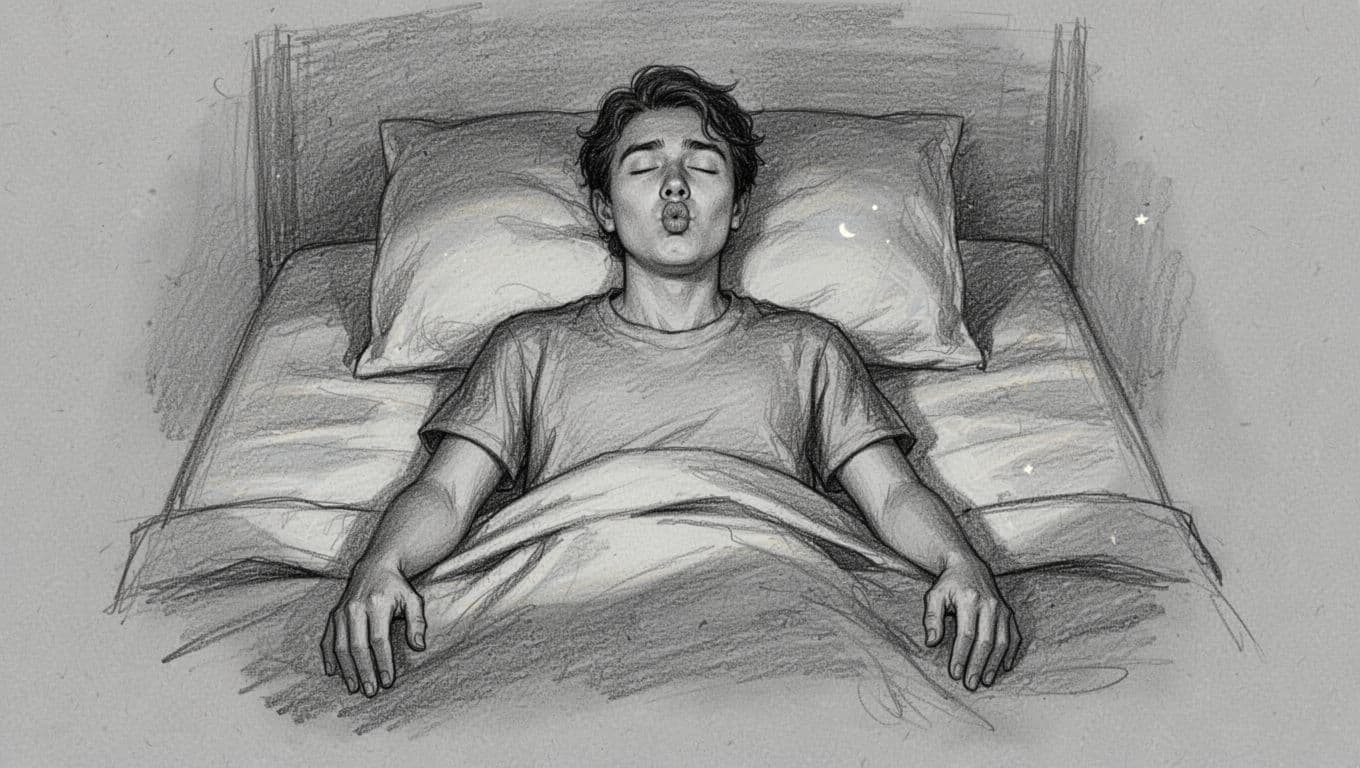
- Exhale completely through your mouth for a count of eight, making a whoosh sound.
Repeat the cycle four times. You finish in two minutes. Your mind quiets because the long exhale floods your system with calm. Do it nightly; Pausa's mood tracker suggests it when you log "anxious."
Users report fewer wake-ups. Download the Pausa App for audio guides that time the counts perfectly.
Box Breathing to Reset Your Night
Stress lingers like an unfinished task. Box breathing evens it out, creating steady rhythm. Professionals in high-pressure jobs rely on it because it resets focus and calm in moments.
Sit or lie comfortably. Close your eyes. Picture a square to guide your breath.
Here is the simple sequence:
- Inhale through your nose for four counts.
- Hold your breath for four counts.
- Exhale through your nose for four counts.
- Hold your breath for four counts.
Complete four to six boxes. Your chest stays relaxed; no strain. This equal pattern balances oxygen and calms your fight-or-flight response. Pausa includes it in the 10-day journey, building the skill without guesswork.
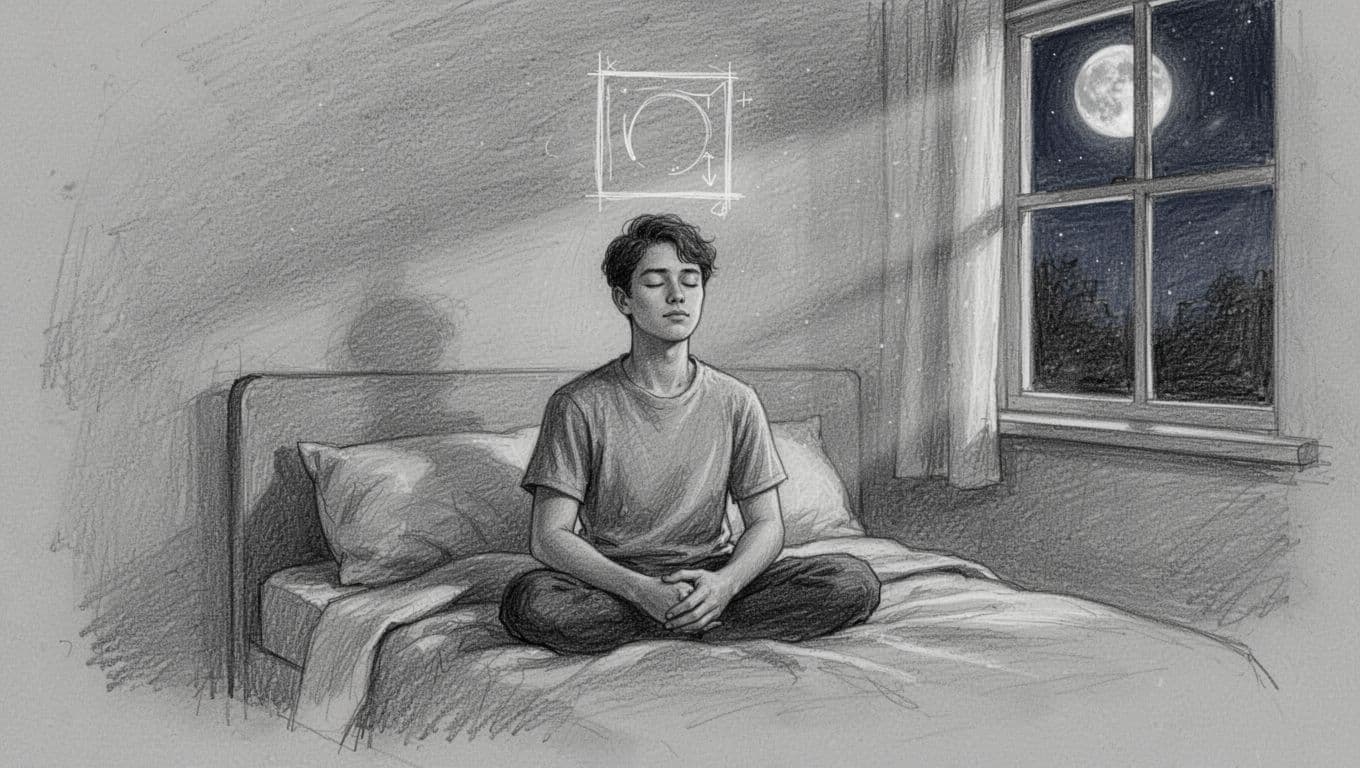
Afterward, tension fades. Thoughts slow. Sleep follows naturally. For more on 4-7-8 breathing for relaxation and sleep onset, explore related techniques.
Resonant Breathing for Deeper Rest
Aim for five to six breaths per minute. This pace matches your heart's natural rhythm, deepening rest over time. Pausa guides you with audio, so you hit the rate exactly.
Lie down in a dark room. Breathe through your nose. Let your belly rise on inhales.
Practice like this:
- Inhale smoothly for about five seconds.
- Exhale evenly for five seconds.
- Continue at this slow pace, around six breaths per minute.
Do it for five minutes before lights out. Your body syncs up, boosting recovery. Pausa tracks streaks, like one user's 71-day run with resonant breathing. Those habits cut anxiety and improve sleep quality.
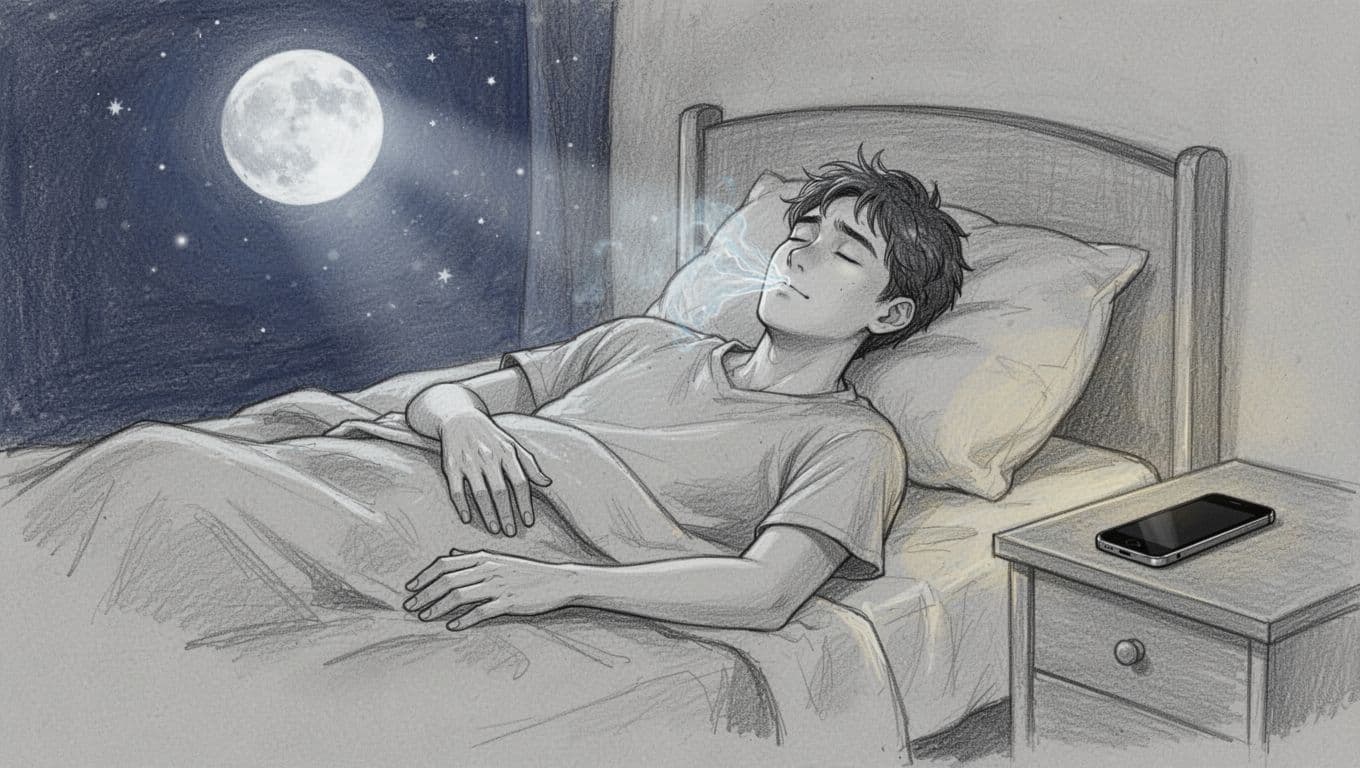
Results build fast. Teams notice better focus the next day. Start your streak tonight with Pausa.
Stick with It Using Pausa's Tools for Lasting Sleep Wins
One good night won't fix chronic insomnia. Your nervous system needs steady signals over time. Pausa turns quick breaths into daily habits, so calm sticks and sleep improves. Young professionals build these routines amid packed schedules. Features like streaks and mood checks make consistency simple. As a result, you sleep deeper without forcing it.
Streaks Turn Breaths into Automatic Habits
Repetition rewires your system. Pausa tracks daily breathing sessions, showing streaks that grow like a chain you don't want to break. Users hit 71 days with resonant breathing or 121 days overall. Therefore, motivation builds from proof of progress.
Start small. Log a bedtime breath after dinner. The app counts it automatically. Next day, it reminds you gently. Over weeks, this routine quiets evening tension before it builds.
See how one user checks their streak in bed. It reinforces the win right before sleep.
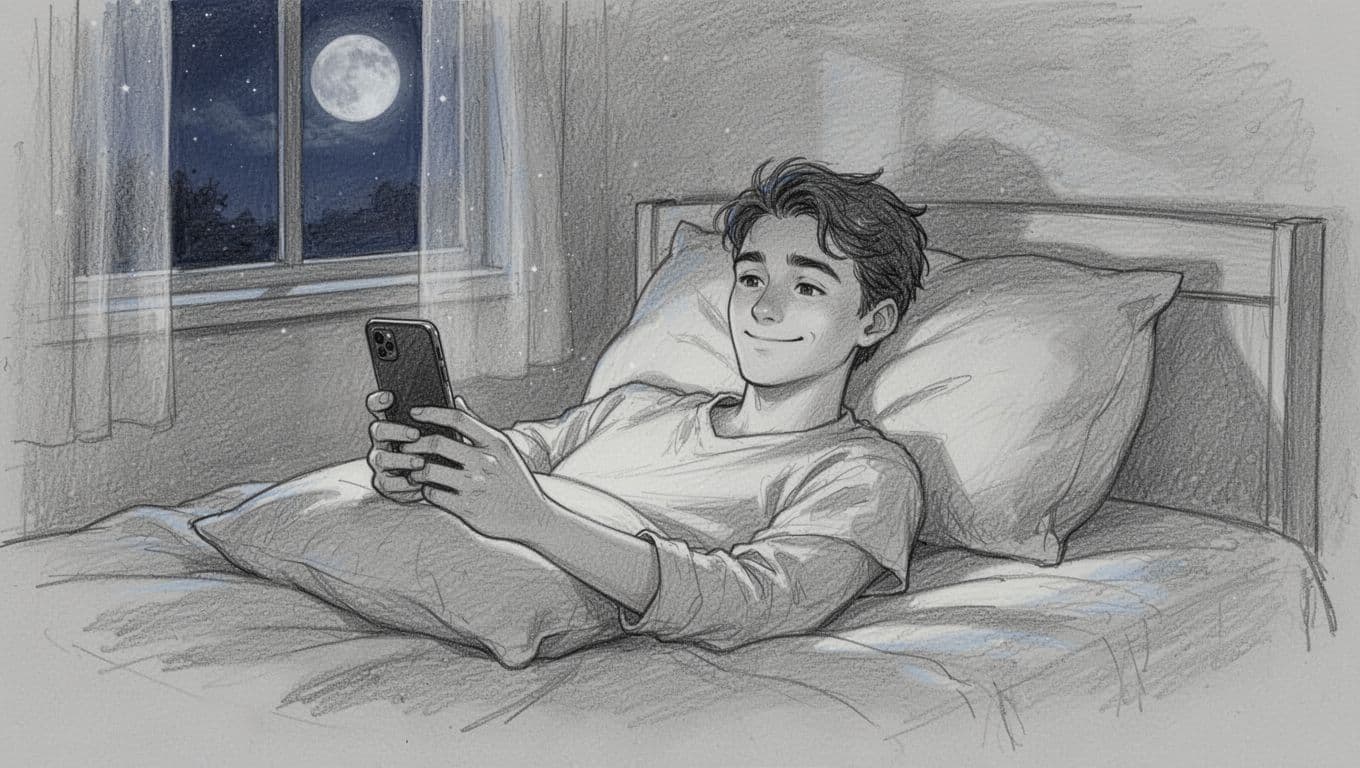
In addition, streaks link daytime pauses to better nights. Download the Pausa App to start yours. Consistency pays off in fewer wake-ups.
Mood Tracker Picks the Right Breath for Bed
Feelings shift fast after work. Pausa's mood tracker asks how you feel: stressed, tired, anxious. It then suggests a perfect breath, like box breathing for wired evenings.
Log your state in seconds. The app learns patterns. For example, if tension hits post-meeting, it flags resonant breathing next time. This personalization keeps you coming back.
Most importantly, it prevents guesswork. You get calm tailored to the moment, building trust in the process. Over time, evenings feel less chaotic.
10-Day Journey Builds Sleep Skills Step by Step
New habits overwhelm busy minds. Pausa's 10-day journey breaks it down. Each day adds a short lesson on breaths for rest, plus tips to fit them in.
Day one covers basics. Later days layer in vagus nerve work. You finish confident, with sleep as the reward. Besides, it fits therapy routines, adding breath tools without extra effort.
Users notice lighter mornings by week two. The structure removes decisions, so you just follow along.
Screen Locks Stop Scroll, Start Sleep
Phones steal rest. Pausa locks distracting apps after limits. To unlock, take a quick breath. This cuts blue light and trains pauses before bed.
Picture sitting on your bed, phone prompting a breath. You exhale, tension drops, scroll urge fades. Simple shifts like this protect sleep windows.
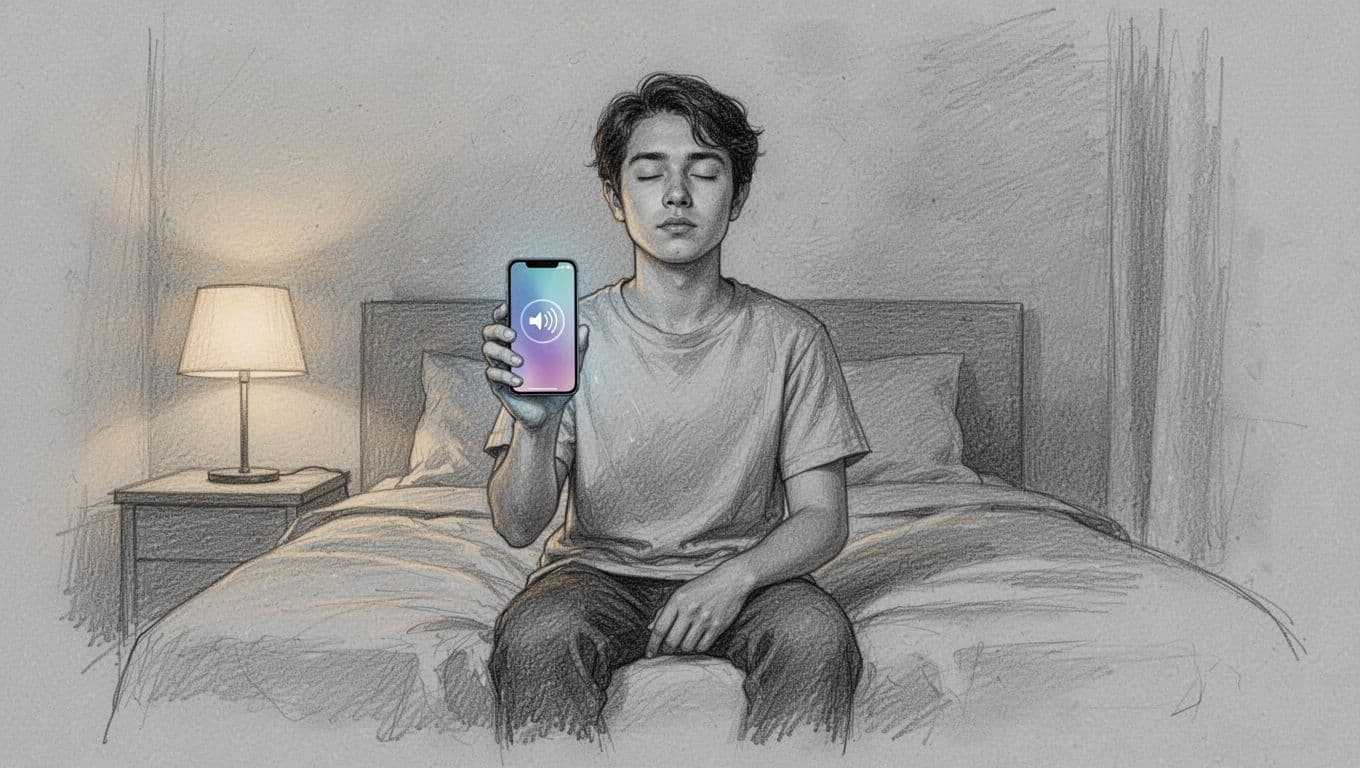
For lasting wins, combine with daily streaks of office stress relief techniques. Your system learns rest comes first.
Conclusion
Your nervous system drives insomnia when stress keeps it stuck in alert mode. Breathing flips that switch back to rest with simple patterns like 4-7-8 or resonant breaths. Therefore, you ease tension, quiet racing thoughts, and sleep deeper without pills or endless routines.
Pausa makes it stick through mood tracking, streaks, and screen locks that prompt real pauses. Born from panic attack recovery, it offers companionship for anxiety and burnout. Download the Pausa App tonight on iOS or Android. Start a bedtime breath; wake refreshed.
If sleepless nights persist, talk to a professional for support. Otherwise, breathe easy and rest well. What one technique will you try first?