

You sit at your desk. Emails stack up. Deadlines press in. Your chest tightens as thoughts race. Young professionals know this pressure all too well.
Neuroscientist Andrew Huberman calls the physiological sigh his top tool for instant calm. You do a double inhale through your nose. Then a long exhale through your mouth. This resets your nervous system faster than most methods.
Pausa app guides you through it. Founders created Pausa after panic attacks hit hard. They found simple breaths work best for busy lives, no long sessions needed. As a result, thousands use it for anxiety and stress relief.
This article shows you the steps. It covers the science. You get benefits and tips too.
What Is the Physiological Sigh and How Do You Do It?
The physiological sigh mimics your body's natural reset. You sigh when stressed to empty lungs fully. This calms you fast. Neuroscientists like Jack Feldman studied it. They found it shifts you from tension to ease in seconds.
Pausa includes it alongside box breathing and resonant breathing. Those help too. But the sigh takes no time. No meditation skills required.
For example, try it before a big meeting. Sit back. Breathe. Feel ready.
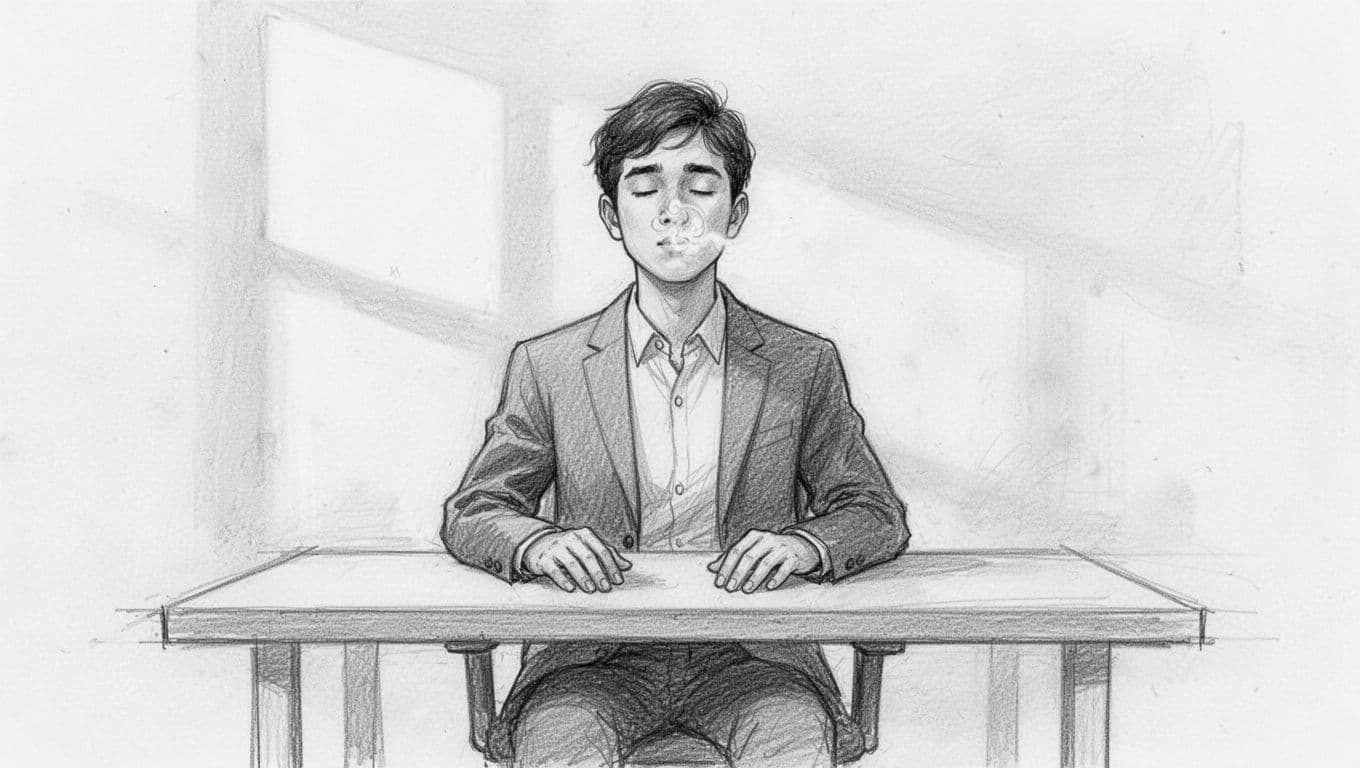
Download the Pausa App for guided versions. They ease stress right away.
Step-by-Step Guide to Nail the Technique Every Time
First, sit or stand comfortable. Relax your shoulders.
Next, inhale through your nose. Fill lungs about 70 percent. Do not force it.
Then, add a quick second inhale. Top off like a small sip of air.
After that, exhale slow through your mouth. Push until lungs empty. Feel the release.
Repeat one to three times. So, you reset fast.
Common mistakes include shallow inhales. They miss the full effect. Therefore, focus on that second puff.
Practice with Pausa's mood tracker. It picks breaths based on your state, like anxious or tired.
Why It Beats Regular Deep Breaths for Fast Relief
Single deep breaths help a bit. However, the physiological sigh works better. It deflates tiny lung sacs called alveoli fully.
This signals your body to calm. Fight-or-flight fades quick. Regular breaths leave air trapped. Stress lingers.
In contrast, Pausa's resonant breathing gives similar gains. Both empty lungs well. You switch to rest mode faster.
Biology shows it drops your breathing rate. Heart steadies too. No complex steps needed.
Why Andrew Huberman Swears by This Breathing Hack
Andrew Huberman teaches at Stanford. He hosts a top podcast on brain science. He shares the physiological sigh for daily stress.
Lab tests prove it acts in seconds. Use it when anxiety spikes. Or before sleep. It quiets the mind.
Pausa's SOS mode fits panic moments. Founders built it from their attacks. Meanwhile, users report quick calm. One said it helped anxious times a lot.
Besides, tactical teams and athletes use it. Huberman backs it with proof.
Huberman's Research and Real-World Proof
Studies show one sigh cuts respiratory rate. Heart rate variability improves for calm. It flips your nervous system switch.
Athletes breathe this way to recover. Units train on it for focus.
Pausa serves thousands with simple tools. No long sessions. Just effective breaths. Check breathing exercises to combat anxiety for more on sighs in action.
Key Benefits for Managing Anxiety and Burnout
This sigh cuts acute stress fast. It clears mental fog after overload. Focus returns sharp.
For sleep, it quiets racing thoughts. Pros use it post-meeting or in deadlines. In addition, Pausa streaks build habits. Users see less anxiety, better rest.
However, teams gain too. Collective calm boosts work. Check out Pausa for People for group plans.
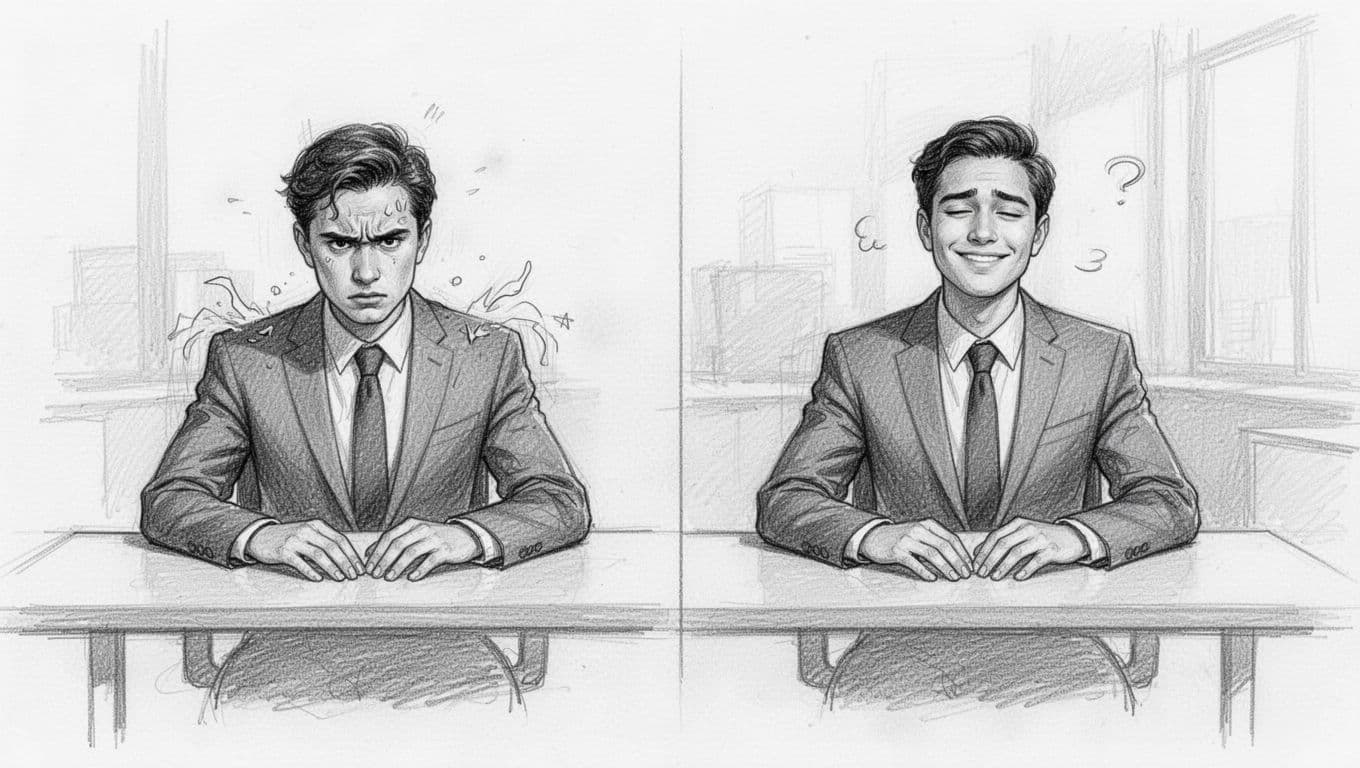
Instant Tools for High-Pressure Work Moments
Chest tightness eases like panic starts. One user loved Pausa for those spots. It de-stresses quick.
Pair it with Pausa's screen lock. Breathe to unlock apps. Scrolls turn to pauses. You reclaim time.
Long-Term Gains Like Better Sleep and Clarity
Repeat it daily. Build resilience. Stress buildups drop.
Pausa's 10-day journey teaches beginners. No guesswork. Streaks keep teams consistent. Clarity grows over time.
Build the Habit: Daily Tips and App Support
Set phone reminders first. Pair with coffee breaks next. Teach colleagues finally.
Pausa helps a lot. Mood tracker suggests sighs for your feelings. Streaks motivate. It cuts screen time too. Breathe before apps open.
This companions you through stress, anxiety, burnout. Download the Pausa App for guided practice.
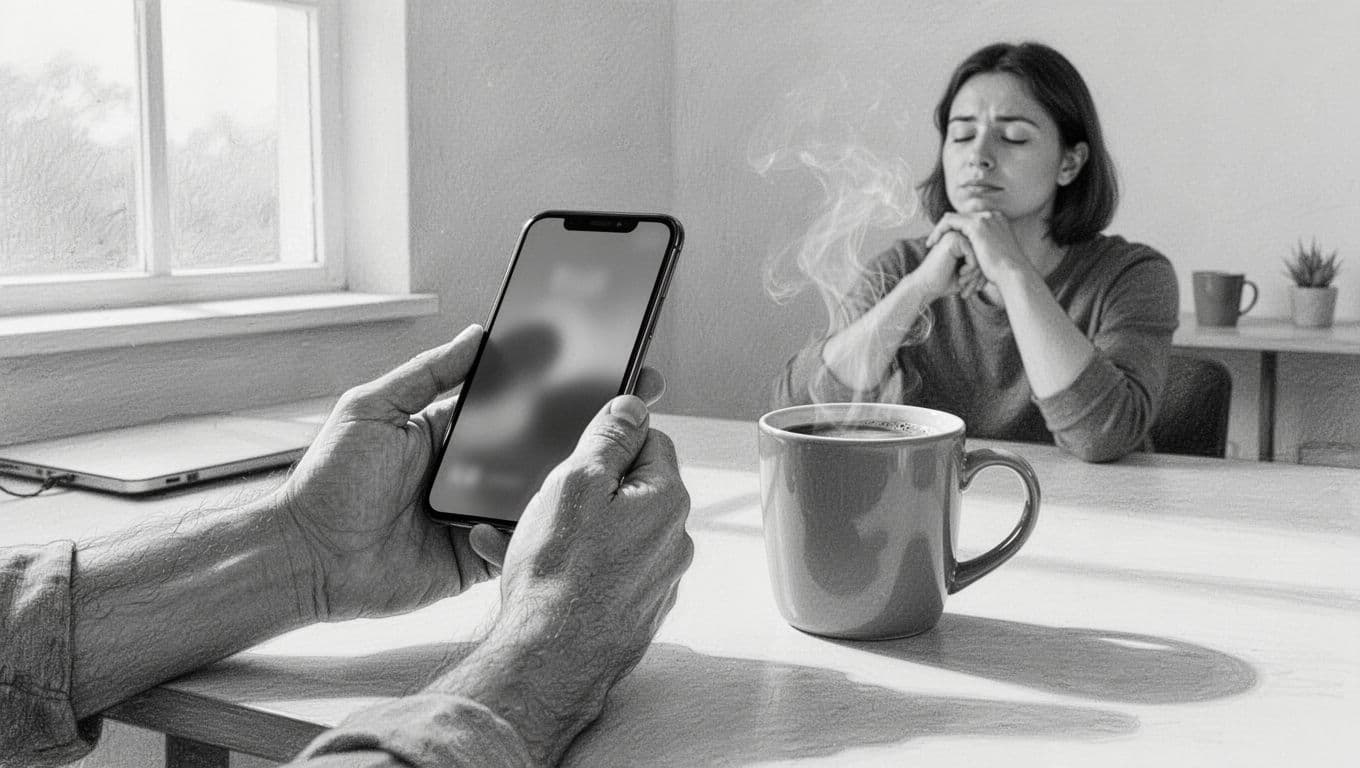
Pair It with Pausa for Personalized Breathwork
Tell Pausa your mood. Get the sigh or other fits. Available on iOS and Android.
Born from panic relief search. Start the journey. Small pauses bring real change.
Conclusion
The physiological sigh resets stress like nothing else. Huberman proves it works fast.
Try it now. Track how you feel after. Above all, small breaths lead to big calm.
Download the Pausa App for guides and support. Leaders, Check out Pausa for People builds team wellness. You deserve these pauses.