

Your workday piles on. Emails flood in. Your mind races before bed. Stress hits hard, and you need relief now.
The psychological sigh offers a fast fix. Your body uses it naturally when you cry or sigh in relief. This simple breath resets your nervous system in seconds. No practice required. No quiet room needed.
Stanford expert Andrew Huberman backs it with neuroscience. One cycle drops tension fast. It beats standard deep breaths for speed.
You will learn the steps here. See benefits for anxiety and focus. Apps like Pausa guide it with audio. They fit busy lives. Try it now. Feel calm return.
What Makes the Psychological Sigh Your Body's Built-In Relax Button
Stress tenses your body. Your heart races. Breath shortens. The psychological sigh counters that.
It starts with a double inhale through your nose. Follow with a long, slow exhale through your mouth. People do this after tension builds. Think of a sigh after bad news. Or relief after a close call.
This breath empties your lungs fully. Air sacs, called alveoli, deflate under stress. The double inhale reinflates them. That signals your parasympathetic system to relax.
Studies show it works faster than even breaths. Regular deep breathing helps. But the sigh mimics your body's recovery mode. Athletes use it post-effort. Busy pros grab it between tasks.
Pausa founders learned this during panic. Simple breaths calmed them quick. No complex apps needed. Pausa now packs similar tools. Users report less anxiety right away.
Picture a tough call ends. Your chest tightens. One sigh drops shoulders. Breath evens. Focus returns. That's the power.
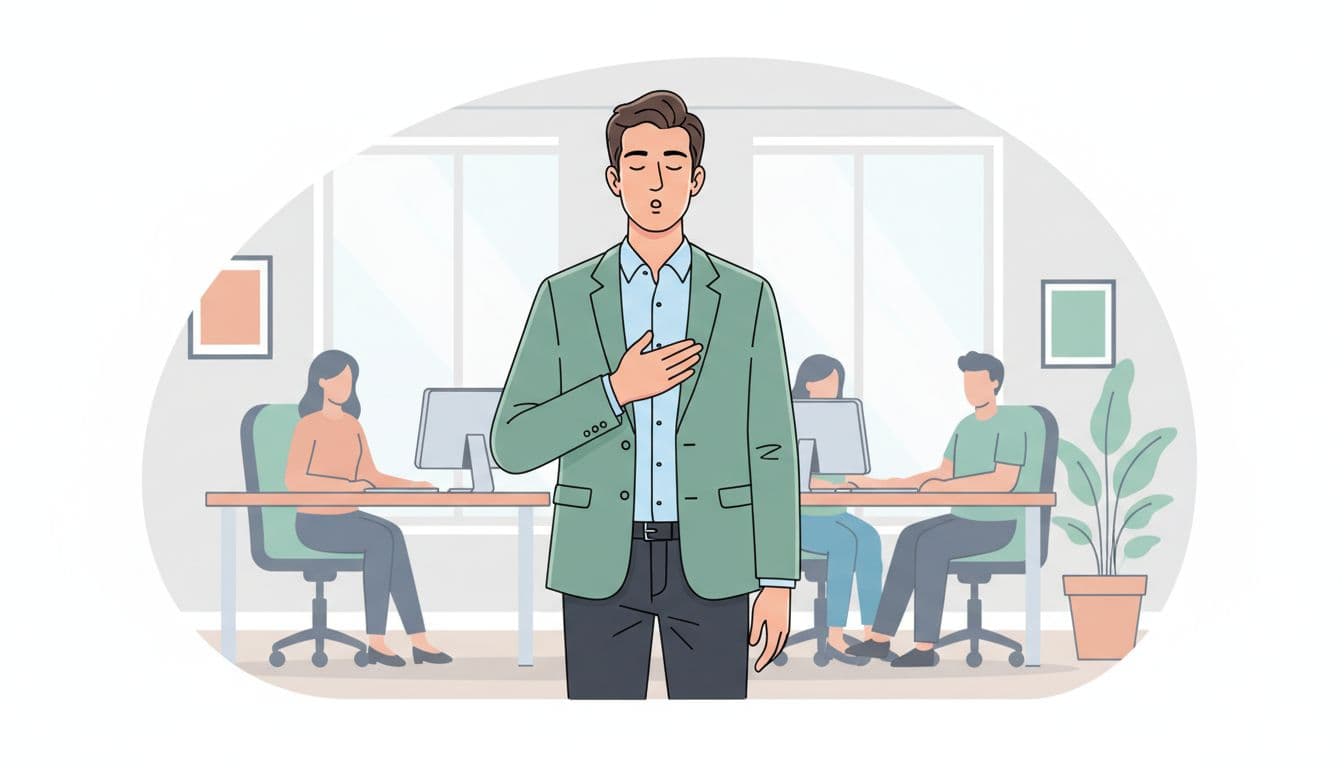
It fits real life. Do it standing. At your desk. No one notices. Repeat once or twice. Calm spreads.
Your body knows this already. Stress evolved fight-or-flight. Sighs evolved recovery. Use it conscious now.
The Real Science Proving It Works Every Time
Huberman's lab tested it. One sigh lowers arousal in under a minute. Subjects felt calmer fast.
Under stress, alveoli collapse. Lungs hold stale air. Oxygen drops. Tension builds. The double inhale fixes that. First breath fills most. Second tops off. Exhale pushes out junk air.
Crying ends with sighs for this reason. Emotions peak. Sighs reset balance. Your body heals itself.
Pausa's techniques echo this. Resonant breathing steadies heart rate. Similar effects build calm.
In addition, CO2 levels normalize. That eases anxiety signals. Brain gets "safe" cue.
Therefore, it outperforms box breathing for speed. No counts needed. Just instinct.
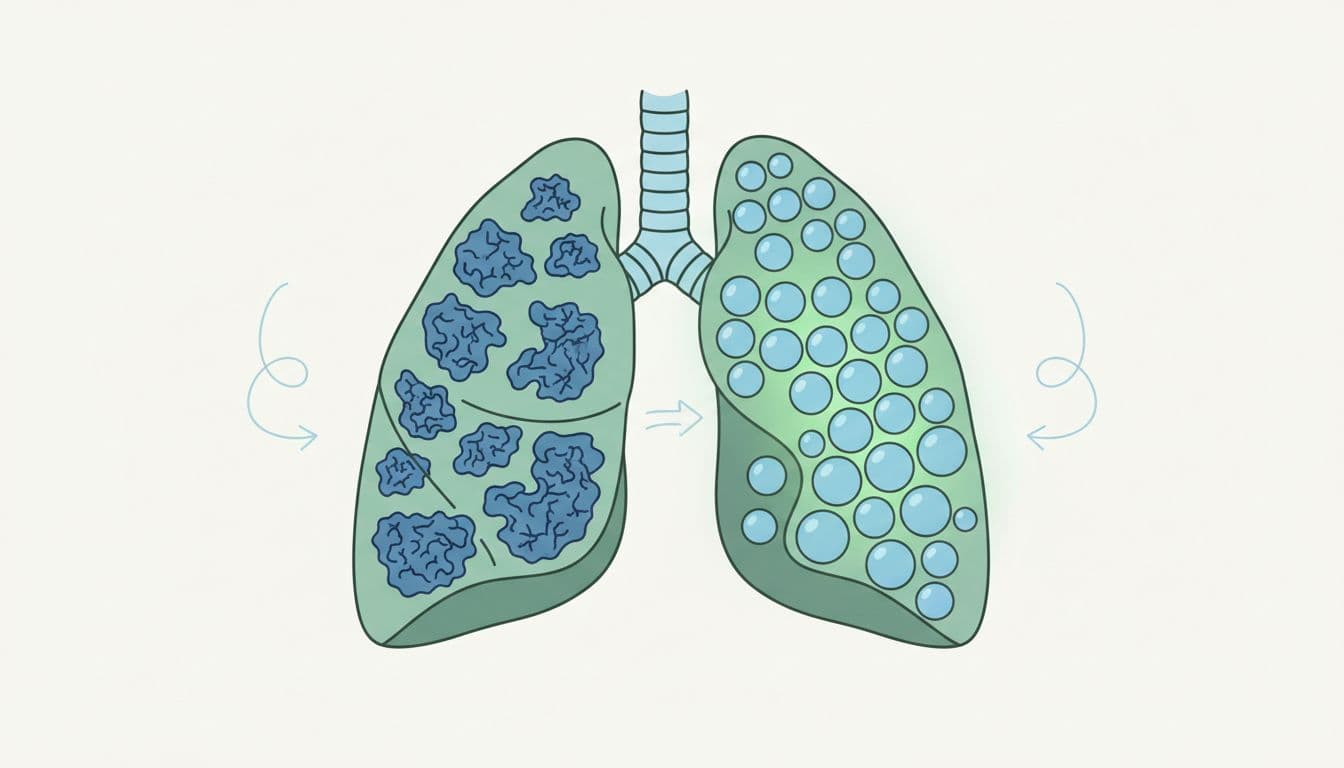
Lab data confirms. Arousal drops 20-30% per sigh. Repeat three times. Effects last minutes.
Most importantly, anyone can do it. No training. Busy pros gain edge.
Follow These 4 Easy Steps to Nail the Psychological Sigh
Master it in seconds. Sit or stand easy. No special pose.
- Get comfy. Feet flat. Shoulders loose.
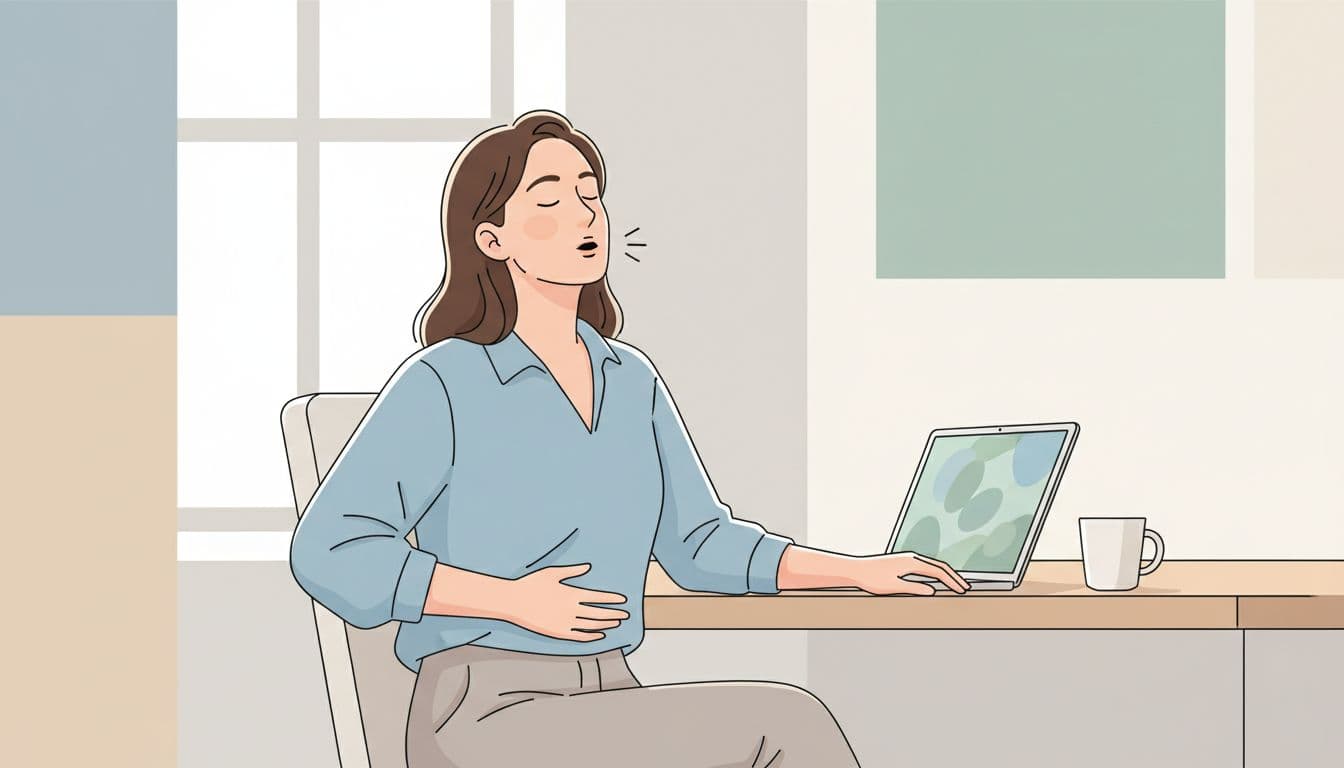
- Inhale deep through nose. Fill belly and chest.
- Add quick second inhale. Top off lungs gentle.
- Exhale long through mouth. Make whoosh sound. Empty fully.
Repeat one to three times. Hand on belly helps feel it.
Practice low-stress first. Morning coffee. Build habit.
Pausa app guides with voice. Mood-based picks fit you. Anxious? Try sigh. Tired? Resonant breath.
Download Pausa for guided breathing. iOS and Android ready. Audio cues simplify.
It cuts screen time too. Breathe to unlock apps. No endless scroll.
Users love streaks. 71 days resonant. 121 Wim Hof. Builds consistency.
10-day journey teaches basics. No decisions needed.
Sneaky Mistakes That Block Its Power and How to Fix Them
First, skip full second inhale. Lungs stay half full. Fix it. Sip air quick. Feel expansion.
Next, hold breath long. Tension returns. Release smooth. Exhale rules.
Rushing exhale wastes it. CO2 stays. Go slow. Whoosh out all.
These kill speed. Full cycle beats box breath quick.
Pausa's mood tracker spots feels. Suggests sighs for anxiety. Pairs perfect.
Unlock Calm Anytime: Best Moments to Drop In a Psychological Sigh
Before meetings. Chest tightens. One sigh clears head.
Emails stack. After reading. Breath resets focus.
Commute home. Traffic grinds. Sigh eases grip.
Pre-sleep. Thoughts race. It quiets mind.
Results show. Sharper calls. Less burnout.
Pausa for Business helps teams. Streaks build together. Workplace stress drops.
Users say: "Stops anxious moments." "Breaks when needed."
Founders built SOS from panic. Fits now.
For example, post-meeting. Next, commute. Daily wins.
Why This Beats Other Quick Fixes and Builds Lasting Calm
Deep breaths help. Sigh faster. Natural fit. No curve.
Apps without guide fail. Pausa adds voice. Streaks stick.
Long-term: Better sleep. Less anxiety. More energy.
Stress and Anxiety Quiz checks levels. Tailors breaths.
Teams see less stress. Real adoption.
Simple wins busy days. Repeat daily. Habit forms.
Small Sighs Change Big Days
Double inhale. Long exhale. Repeat few times. Calm hits fast.
This free tool fights anxiety anywhere. No gear.
Practice today. Then grab Pausa. Guided support waits. Mood tracker picks breaths. Screen locks prompt pauses.
Get Pausa on App Store or Google Play. Companionship cuts alone feels. For stress, burnout, depression.
Young pros, claim your calm. One pause shifts your day.