

Your laptop has twelve tabs open. Slack keeps blinking. Your jaw is tight, your chest feels small, and lunch was three hours ago. You tell yourself to push through, but your body already hit the alarm button.
That's why breath work helps so many people. It gives your body a fast, simple signal that the danger may not be as big as it feels. When breathing slows down and becomes more steady, the nervous system often follows.
This isn't a cure, and it doesn't replace therapy or medical care. Still, it can be a strong support tool between sessions, during hard workdays, or at night when your mind won't settle. Many people want something easier than a long meditation, and guided breathing fits that need. Pausa was built from real panic attack experiences and shaped around one idea: short, guided breathing breaks can help people feel less alone, less overwhelmed, and more able to keep going.
Why breath work helps with stress and anxiety in the first place
Stress changes breathing fast. Most people don't notice it until they already feel bad. The breath gets shallow, quick, and high in the chest. Then the body reads that pattern like a warning siren.
Guided breath work helps because it changes the message. Instead of "something is wrong," your body starts hearing "you can slow down now." That shift can support calm, focus, and even sleep, especially when the method is simple enough to use in a real moment, not just in an ideal morning routine.
Stress changes your breath before you even notice it
Stress often shows up in small ways first. Your shoulders creep up. Your jaw presses shut. You sigh more, but never feel fully satisfied. Then mental fog rolls in, like a windshield going cloudy.
Those early signals matter because they tell you your body is bracing. You may also notice short breaths, restlessness, a fluttery chest, or the urge to keep checking your phone. For young professionals, this can look normal on the outside while everything feels noisy inside.
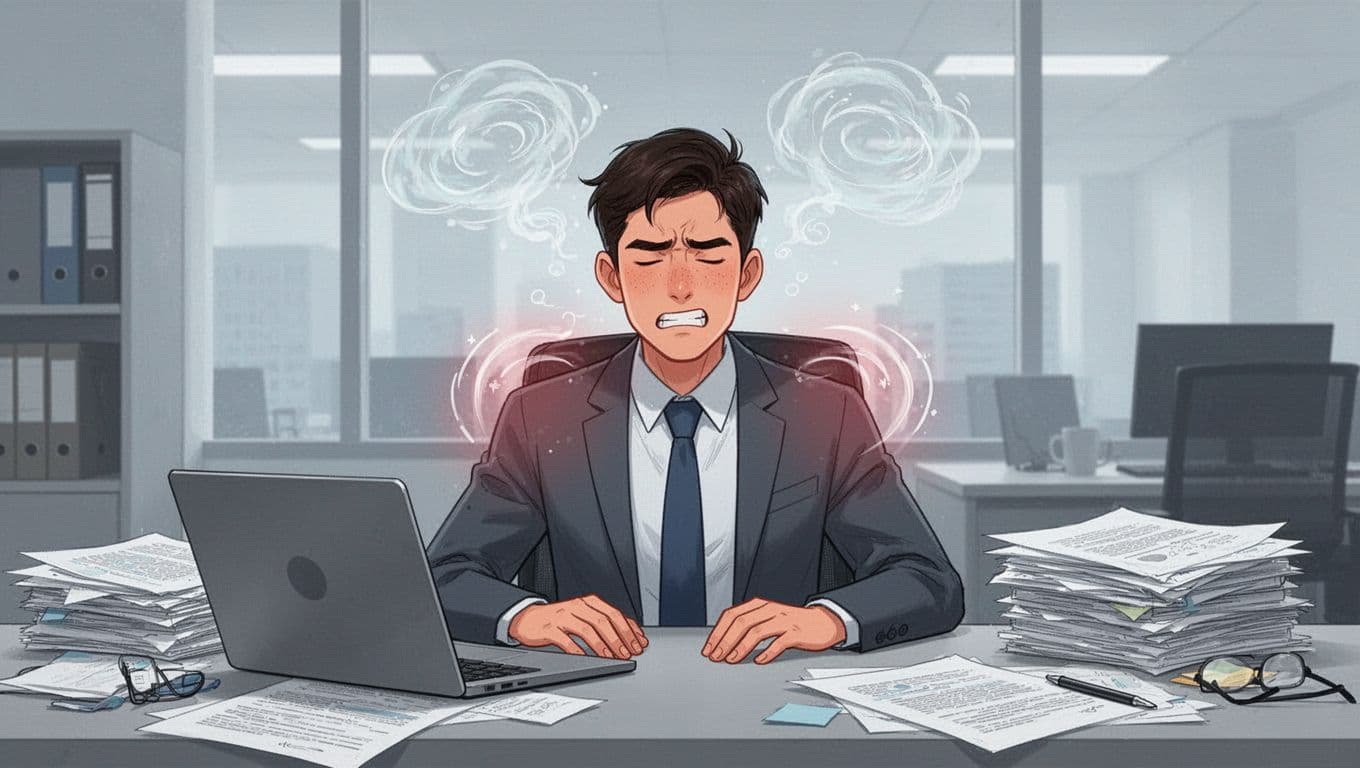
The problem is not only the thought loop. It's also the breathing pattern beneath it. Once you see that link, stress becomes easier to catch early.
A few slow breaths can help your body switch gears
Breath work doesn't need to be dramatic. In fact, the most useful techniques are often quiet and plain. A slower inhale, a longer exhale, or a steady rhythm can help the body move away from alarm mode and toward something more settled.
Think of it like easing off a gas pedal. You're not slamming the brakes. You're telling your system there's room to soften. That's why science-backed breathing methods can feel practical, not mystical. They give you a rhythm to follow when your mind feels too loud.
Pausa makes this easier in the moment because it guides the pace for you. That matters when you're stressed and don't want another long routine or a meditation class in your pocket.
The best breath work techniques to use when you feel overwhelmed
Not every breathing pattern fits every moment. Some help when your mind feels scattered. Others work better when panic starts to climb or when you need a calmer transition before bed.
The goal is simple: match the technique to the state you're in.
Use box breathing when your mind feels scattered
Box breathing is steady and structured. You inhale, hold, exhale, and hold for the same count, often four seconds each. That even shape can feel grounding when your thoughts are jumping around.
It's a good fit after a hard meeting, before a presentation, or during the middle of a chaotic workday. Because the pattern is clear, it gives the brain something small and concrete to do.
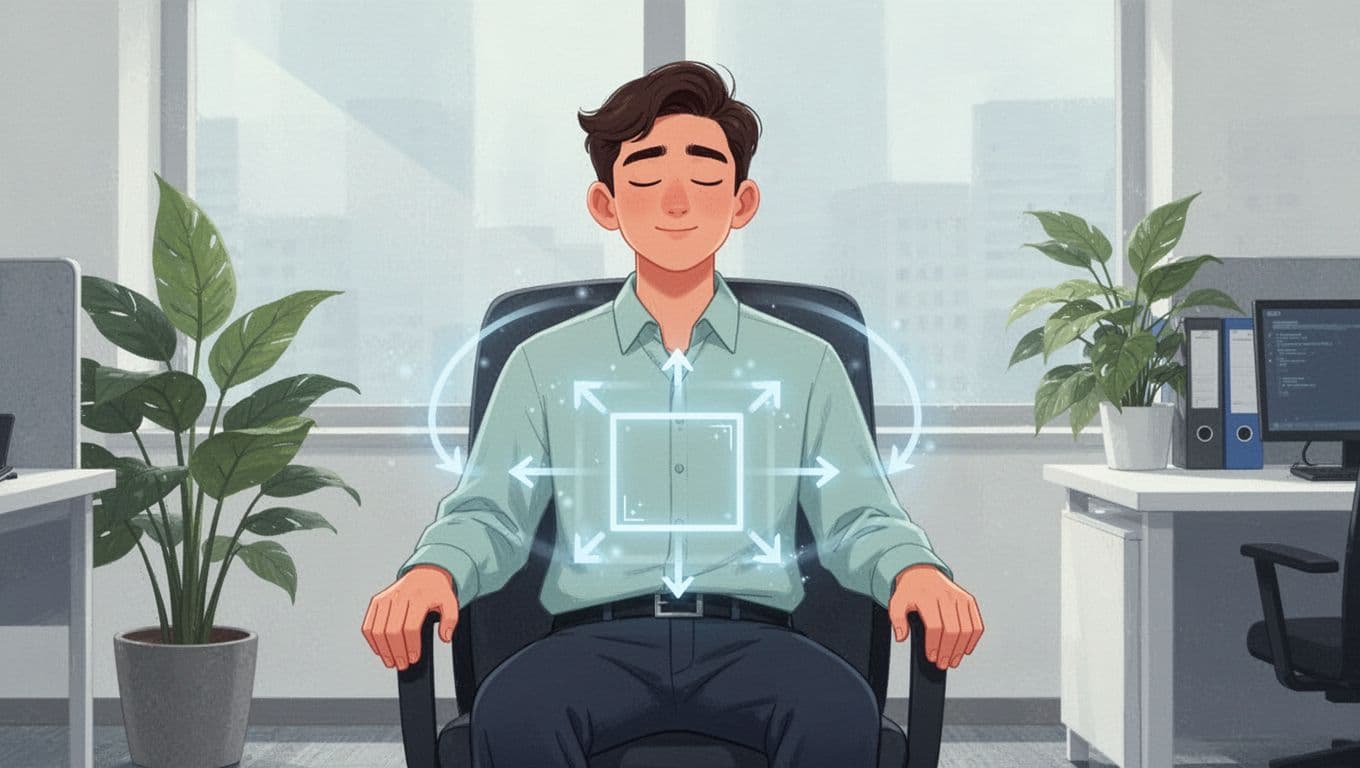
If you've ever lost track of the count halfway through, guided pacing helps. That's one reason Pausa includes box breathing as a short, low-pressure option. You don't have to remember the pattern. You just follow it.
Try resonant breathing when you need a deeper sense of calm
Resonant breathing is slower and more flowing. Instead of holds, it uses an even, gentle rhythm, often around five to six breaths per minute. Many people find it soothing because it feels less like effort and more like settling into a tide.
This can work well when stress has been humming in the background all day. It's also useful before sleep or as a daily reset after work. A few minutes can help take the edge off that wired-but-tired feeling.
Over time, this kind of practice can become a familiar landing spot. Not a performance, just a reset.
Reach for a physiological sigh when panic starts to rise
Sometimes you don't want a full session. You need something fast. That's where the physiological sigh can help.
Take one inhale through the nose, then a second small inhale on top of it. After that, let out a long, slow exhale through the mouth. Repeat a few times, gently.
It's simple enough to use before a call, in a parked car, or during a stressful commute. Because it's short, it can cut through a rising spike without asking much from you.
When anxiety rises fast, simple usually works better than perfect.
Use stimulating breath work carefully when energy is low
Some forms of breath work are more intense, including Wim Hof-style breathing. These methods can feel energizing, and some people like them when they're drained or mentally flat. Still, they are not right for every anxious moment.
If your body already feels shaky or on edge, intense breathing can be too much. Start gently, use good judgment, and stop if you feel dizzy or worse. Guided use matters here.
If you want a place to start without overthinking it, try Pausa's guided breathing app for stress and anxiety. It's available on iOS and Android, and it's built for short pauses that can support calm, sleep, and less screen overload.
How to build a breath work habit that actually fits a busy day
A breathing habit only works if it survives a messy Tuesday. That means it has to be short, easy, and kind to your attention span.
Pausa was built around that truth. It's not asking for a perfect morning ritual. It's made for the moment after the tense email, before bed, or when your brain feels fried from screens.
Match the breathing exercise to the moment you are in
Use the right tool for the right moment. Box breathing fits a noisy workday because it adds structure. Resonant breathing fits evening stress because it feels softer. A physiological sigh can help when anxiety jumps quickly.
You can also tie each method to a real-life trigger. After a tense meeting, do two minutes of box breathing. Before sleep, use a slower pattern. During screen overload, step away and breathe before you open the next app.
That approach feels more natural because it respects context. The best breath work is the one that fits the moment in front of you.
Keep it short so it feels doable
Two to five minutes is enough to start. Short sessions lower the barrier, and that matters when you feel tired, skeptical, or stretched thin.
Small pauses add up. They also beat the fantasy of a 30-minute routine you never do. A few guided breaths at the right time can change the next hour of your day. Over weeks, that can shift sleep, focus, and how quickly stress takes over.
Use guided support if doing it alone feels hard
A lot of people stop because they forget the pattern. Others stop because stress feels lonely, and solo wellness tools can feel cold. Guided support helps because it removes guesswork and adds a sense of companionship.
Pausa leans into that. It offers simple guidance, mood-based support, and beginner-friendly breathing paths without turning self-care into homework. If you want more context around the app and its self-check tools, you can learn more about Pausa's stress and anxiety support.
What breath work can and cannot do for your mental health
Breath work can help lower stress, soften anxiety, improve focus, and support better sleep. That's meaningful. But it's not the whole answer for every mental health need.
Used well, it becomes a support tool you can return to between therapy sessions, after hard conversations, or during the parts of the day that feel sharp around the edges.
Breath work is a support tool, not a substitute for care
If anxiety feels intense, frequent, or hard to manage, extra support matters. A therapist, counselor, or doctor can help you understand what's going on and build a plan that fits your life.
Breath work works well alongside care because it gives you something practical in the moment. It can help you feel more steady while deeper work happens elsewhere. If you want more grounded reading on this topic, Pausa also shares practical ideas on how to reduce anxiety at home with breathwork.
Small pauses can still create real change over time
A calmer life rarely arrives all at once. More often, it comes in small turns. One softer exhale after a hard email. One pause before bed instead of doomscrolling. One guided session that helps you feel less alone in your own body.
That may sound small, but small is how habits survive. Consistency matters more than perfection, and one intentional breath can still change the direction of a day.
Conclusion
Stress doesn't wait for a perfect time, so your support tools can't be complicated. Breath work is simple, fast, and often easier to use than a long meditation, especially when life feels loud. If you want help that fits real days, try Pausa, a guided breathing app built to reduce stress and anxiety, support better sleep, and cut screen overload. It's available on iOS and Android, and sometimes that first small pause is exactly where feeling better begins.